
TRW & Co · Real Estate, Construction & Energy
Real Estate Acquisition in the UAE

Real estate acquisition in the UAE is governed emirate by emirate: each land department controls registration, decides where foreigners may own and sets transfer fees, while federal rules on AML, tax and residence sit on top. This guide explains ownership routes, structuring, the Dubai transfer process, off-plan protections and the due diligence that keeps a purchase safe.
Key pointChoose the holding structure before the first transfer: moving a registered property from an individual into a company, or between companies, usually means paying the land department's transfer fees again.
At a glance
Designated freehold areas
In Dubai, UAE and GCC nationals may own throughout the emirate, while other foreign buyers may own freehold in designated areas under Law No. 7 of 2006.
Transfer fees in Dubai
The DLD lists a 2% registration fee for each of seller and buyer on a sale, plus title deed and trustee service fees; contracts often reallocate them.
Developer NOC required
Transfers in Dubai freehold areas need an electronic no-objection certificate from the developer, confirming that service charges and developer dues are settled.
Off-plan escrow protection
Dubai's escrow law requires off-plan payments to go into a project escrow account, with 5% retained for one year after completion.
AML checks on buyers
Brokers must verify buyers and report transactions involving cash of AED 55,000 or more, virtual assets or third-party funds through goAML.
Swipe or scroll →
What real estate acquisition in the UAE involves
Real estate acquisition in the UAE covers buying land, completed buildings, individual units and off-plan property, whether directly, through a company or by acquiring the company that owns the asset. Buyers range from individuals purchasing a single apartment to funds, family offices and developers assembling portfolios of offices, warehouses, hotels and residential blocks.
Property law is largely emirate-based. Each emirate controls land registration through its own land department, decides where foreigners may own, sets transfer fees and regulates brokers and developers. Federal law adds layers on top: anti-money laundering duties, corporate tax and VAT, and residence rules linked to property ownership. The DIFC and ADGM have their own property registries.
The legal work starts before an offer is made. Whether a foreign buyer can hold the asset, how the purchase is structured, what the seller can actually transfer and how the price is protected all depend on decisions taken in the first few days.
Ownership rules and the legal framework
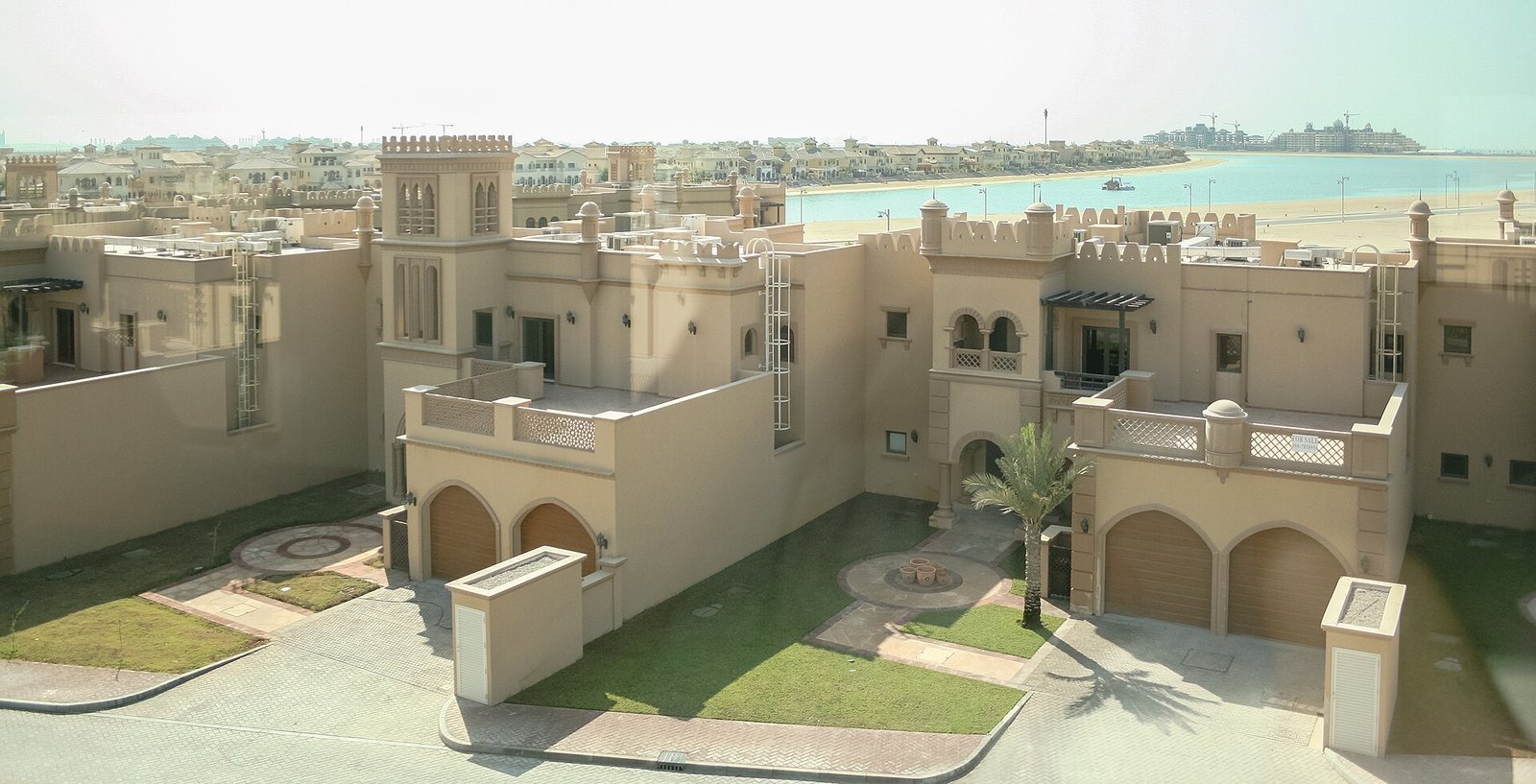
In Dubai, registration of property rights is governed by Law No. 7 of 2006 on real property registration, administered by the Dubai Land Department (DLD). The DLD's published guidance explains that UAE and GCC nationals may own property throughout the emirate, while other foreign nationals may own in designated freehold areas. Off-plan sales are regulated by Law No. 8 of 2007 on real estate development escrow accounts, which requires buyer payments to go into a project escrow account.
Abu Dhabi permits foreign ownership in designated investment zones, with registration and market regulation handled through the Abu Dhabi Real Estate Centre. The northern emirates each have their own designated areas and land departments. In the DIFC and ADGM, property is registered with the centres' own registries under their own legislation.
| Interest | What it gives | Typical use | Key check |
|---|---|---|---|
| Freehold | Full ownership of land or a unit, registered on title | Residential and commercial units in designated areas | Is the plot inside a designated freehold area? |
| Strata unit in a jointly owned building | Ownership of a unit plus a share of common areas | Apartments, offices, retail units | Service charges, owners' association and building rules |
| Long lease or usufruct | Right to use and benefit from property for a long term | Areas where freehold is unavailable to foreigners | Registration, term, renewal and transfer rights |
| Off-plan interest | Contractual right registered on an interim register until completion | New developments | Project registration, escrow account and developer track record |
| Shares in a property-owning company | Indirect ownership via the company | Portfolios, hotels, commercial buildings | Company liabilities, consents and change-of-control rules |
Each route carries different risks and costs. Our real estate regulation page covers the regulators in more depth.
Abu Dhabi and the other emirates
Outside Dubai, the same questions arise with different answers. Abu Dhabi's investment zones, registration procedures and fee schedule are set by the emirate and administered through the Abu Dhabi Real Estate Centre, and the northern emirates each maintain their own registers and designated areas. Fees, required documents and developer consents vary, so confirm the local process with the relevant land department before agreeing a completion date.
Structuring the purchase
Choosing the holding structure is one of the most important decisions in any real estate acquisition in the UAE, because changing it later usually means paying transfer fees again.
Personal ownership
Simple and inexpensive for a single home or investment unit. Consider how the property will pass on death, since succession rules may apply unless a registered will or other planning is in place.
Company ownership
A company can hold property where the land department accepts the entity type for that area. It eases portfolio management and future sales, but brings licensing, accounting and corporate tax considerations.
Share acquisition
Buying the company that owns the asset can be efficient for large assets, but the buyer inherits the company's liabilities. Full corporate, tax and employment diligence is essential, and change-of-control consents may be needed.
Joint venture or fund
Institutional investors often co-invest through a joint venture or fund vehicle in the DIFC or ADGM. Governance, exit rights and the regulatory status of the vehicle need careful drafting.
Tax should be modelled before the structure is fixed. Companies holding investment property are generally within corporate tax, while individuals investing in their personal capacity are treated differently, and VAT applies differently to commercial and residential property. See our corporate tax guidance and, for financed deals, real estate finance.
The cheapest time to choose a holding structure is before the first transfer. Restructuring a registered property later can mean paying the transfer fees a second time.
The acquisition process for a completed property in Dubai
The steps below describe a typical secondary-market purchase of a completed unit in a Dubai freehold area. Abu Dhabi and the other emirates follow a similar sequence with their own systems.
- Appoint a licensed broker and verify the listing. Use a broker on the DLD licensed brokers list and check the property's status and title through the DLD's property status and title deed verification services before paying anything.
- Agree terms and sign the sale agreement. The standard Dubai sale contract is commonly supplemented by an addendum covering price, deposit, completion date, vacant possession or tenancy, service charge apportionment and default remedies.
- Pay the deposit. Deposits are usually held by the broker or in a manager's cheque until transfer. Agree in writing what happens to the deposit if either party fails to complete.
- Obtain the developer NOC. In freehold areas the seller obtains an electronic no-objection certificate from the developer through the Dubai REST app, which confirms that service charges and developer dues have been settled.
- Clear any mortgage. If the seller's property is mortgaged, the bank must be paid off and the mortgage released, often on the transfer day. A mortgage over Dubai property is valid only if registered with the DLD, so check the register.
- Transfer at a trustee centre. The parties attend a Real Estate Registration Trustee office or use Dubai Now. Fees are paid, the price is released and the DLD issues an electronic title deed in the buyer's name.
- Post-completion steps. Transfer utilities, register with the owners' association, take over any tenancy and update Ejari, and apply for any property-linked residence if eligible.
The DLD's property sale registration service lists a registration fee of 2% of the price payable by each of the seller and the buyer, plus title deed, map and trustee service fees. The sale contract should state clearly who bears each fee, because market practice and the default schedule do not always match.
Off-plan purchases
Buying off-plan offers staged payments and a lower entry price, but the buyer is relying on the developer to finish the project. Dubai's escrow law requires buyer payments to be paid into the project's escrow account, held by an approved escrow trustee, and released to the developer against construction progress. The DLD notes that 5% of the amounts paid is retained in escrow for one year after completion as a defects guarantee.
Before signing, check that the project is registered with the DLD and confirm its progress through the project status enquiry. Pay only into the escrow account named in the sale and purchase agreement, never to an agent or a personal account. The purchase is recorded on the interim register through the DLD's off-plan registration system, and the buyer should keep proof of registration.
Read the delay, variation and termination clauses carefully. Off-plan contracts typically allow the developer some tolerance on completion dates and unit areas, and set out what happens if the buyer misses an instalment. Before handover, commission an independent snagging inspection and record defects in writing, because the defects guarantee and contractual warranties depend on prompt notice. Buyers who plan to resell before completion should check whether the developer restricts assignment until a minimum percentage of the price has been paid.
For developers, our real estate development page covers the regulatory side.
Due diligence and documents
For any significant real estate acquisition in the UAE, due diligence should cover the property, the seller and the money.
- Title and encumbrances: title deed, registered mortgages, caveats or attachments, and confirmation that the plot is in an area where the buyer is permitted to own.
- Seller authority: passport or Emirates ID of individual sellers; for companies, the trade licence, constitutional documents, board resolution and power of attorney of the signatory.
- Building and planning: completion certificate, approved plans, permitted use and any unauthorised alterations.
- Service charges and community: statement of account, owners' association budget and building rules, and any pending special levies.
- Tenancies: registered leases, rent payment history and notices already served, since the buyer generally steps into the landlord's position. Our commercial leasing guide explains tenant protections.
- Source of funds: evidence the buyer will need to provide to brokers, banks and the trustee centre to satisfy anti-money laundering checks.
Risks and common mistakes
Buying outside a designated area
Foreign buyers can only hold freehold title in designated areas, and the boundaries are not always obvious from marketing material. A contract to buy a plot where foreign ownership is not permitted may be unenforceable or impossible to register, leaving the buyer chasing the seller for a refund. Confirm the property's location and the buyer's eligibility with the land department, and make registration in the buyer's name a condition of payment.
Paying money outside escrow on an off-plan deal
Off-plan payments must go into the project escrow account. Payments made to agents, related companies or personal accounts sit outside that protection, and are hard to recover if the project stalls. Check the escrow account details against the sale and purchase agreement and the DLD project record, and never accept a request to redirect payment by email or message without independent verification.
Ignoring service charges and community obligations
Service charges in jointly owned buildings can be significant, and arrears may block the developer NOC needed for transfer. Buyers sometimes discover after completion that a special levy has been approved for major works. Ask for the service charge statement, the owners' association budget and recent meeting minutes, and agree in the addendum that the seller settles all charges up to the transfer date.
Treating anti-money laundering checks as a formality
Real estate is a priority sector for UAE AML supervision. Brokers and other reporting entities must identify buyers and beneficial owners and file reports for transactions involving cash of AED 55,000 or more, virtual assets or third-party funds. Buyers who cannot document the source of funds face delays or refusals at the bank or trustee centre. Prepare bank statements and evidence of wealth early. Our AML compliance page explains the rules brokers follow.
Not planning for succession
Property held personally by a non-Muslim foreigner can still be caught by succession rules that the owner did not intend, and banks may freeze accounts on death. Registered wills, holding structures and clear beneficiary arrangements reduce delay and cost for families. Plan this alongside the purchase, not afterwards. See our wills and succession guidance.
Portfolio and share acquisitions
Institutional buyers often acquire property by buying the company or fund that owns it. A share deal can avoid re-registering each title and may preserve existing leases, licences and financing, but the buyer takes on everything inside the company: tax history, contracts, employees, disputes and any defects in how the property was originally acquired.
What changes in a share deal
Diligence widens from the property to the company. Review corporate records and beneficial ownership filings, tax registrations and returns, bank facilities and security, material contracts with property managers and contractors, and any litigation. Check whether the land department, a master developer or a lender must consent to a change of control, and whether the company's licence permits it to keep holding the asset after the deal.
Warranties, price and completion
The share purchase agreement should carry title, tax, compliance and disclosure warranties backed by a tax covenant and, where appropriate, escrow or retention of part of the price. Completion accounts or a locked-box mechanism protect value between signing and closing. Large portfolio acquisitions may also need competition clearance, and buyers should coordinate the timetable with lenders and any M&A approvals.
Residence, tax and running costs
Property ownership can support a UAE residence application where the property meets value and other criteria set by the immigration authorities. The DLD's guidance describes property-linked residence routes with different value thresholds, and the long-term Golden Visa criteria are set by the federal immigration authorities and change from time to time. Check the current requirements before relying on a purchase for residence, and see our Golden residency planning page.
Running costs include service charges, utilities and municipal fees, and for let property the costs of property management. Rental income earned by companies falls within corporate tax rules, and commercial property sales and leases generally attract VAT. Model these costs before agreeing the price.
Cross-border angle
A large share of buyers in a real estate acquisition in the UAE are foreign individuals and companies, and their home-country rules often matter as much as UAE law.
Bangladesh and India. Residents of Bangladesh and India face outward investment and foreign exchange controls at home. A purchase funded without the required home-country approvals can create problems for the buyer later, including when repatriating sale proceeds. Take advice in both jurisdictions before remitting funds.
United Kingdom and Singapore. UK and Singapore residents should consider home-country tax on rental income and gains, as well as inheritance or estate planning, since UAE ownership does not remove home-country obligations. Company structures may also trigger reporting requirements at home.
China and the GCC. Chinese buyers must work within capital export rules, and Saudi and other GCC buyers may have wider ownership rights in the UAE as GCC nationals. Institutional buyers acquiring large portfolios should also check whether the deal is an economic concentration under UAE merger control rules.
How TRW & Co helps with real estate acquisition in the UAE
We advise individuals, family offices, funds and corporate buyers on real estate acquisition in the UAE from structuring through to completion. Our work includes:
- Structuring and tax modelling with our corporate and tax teams, including holding vehicles in the DIFC, ADGM and other free zones.
- Legal due diligence on title, seller authority, building approvals, service charges and tenancies, with a clear red-flag report.
- Transaction documents, including sale addenda, off-plan contract reviews, share purchase agreements and joint venture terms.
- Completion management, coordinating developer NOCs, mortgage releases, lenders and transfer-day logistics.
- Post-completion advice on leasing, management, financing and residence.
Where hearings before UAE onshore courts or the DIFC/ADGM Courts are needed, we work alongside locally licensed advocates and registered practitioners. See our full list of practice areas.
Checklist for decision-makers
- Is the property in an area where the buyer is permitted to own, and is the title verified with the land department?
- Have you chosen the holding structure, modelled tax and planned succession before signing?
- Is the broker licensed and is the deposit protected by clear written terms?
- Have you checked mortgages, service charge arrears, tenancies and building approvals?
- For off-plan, is the project registered and are all payments going into the named escrow account?
- Is the allocation of transfer, registration and trustee fees stated in the contract?
- Can you evidence the source of funds for AML checks?
- Have home-country foreign exchange and tax rules been addressed?
To discuss a purchase, contact TRW & Co for advice on real estate acquisition in the UAE.
Frequently asked questions
01Can foreigners buy property in the UAE?
Yes, in designated areas. In Dubai, Law No. 7 of 2006 allows non-GCC foreign nationals to own freehold property in designated areas, while UAE and GCC nationals may own throughout the emirate. Abu Dhabi permits foreign ownership in designated investment zones, and the northern emirates have their own designated areas. The DIFC and ADGM have their own property regimes. Always confirm that a specific plot or unit is within a designated area before paying a deposit.
02What are the costs of buying property in Dubai?
The DLD's property sale registration service lists a 2% registration fee on the sale price for each of the seller and the buyer, plus title deed, map and administrative fees and a trustee centre service fee that depends on the price. Brokers usually charge commission, and mortgage registration fees apply to financed purchases. The parties can agree in the contract who bears which fee, and many buyers end up paying more than the default schedule suggests, so negotiate it expressly.
03How are off-plan buyers protected?
Dubai's Law No. 8 of 2007 requires developers selling off-plan to place buyer payments into a project escrow account with an approved trustee, released against construction progress. A portion of the amounts paid is retained after completion as a defects guarantee. Buyers should confirm the project is registered with the DLD, check its status, and pay only into the escrow account named in the agreement. The off-plan contract should also deal with delay, cancellation and refund terms clearly.
04Should I buy property personally or through a company?
It depends on the purpose. Personal ownership is simple for a home or single investment unit but needs succession planning. Company ownership can suit portfolios and joint investors, but involves licensing, accounting and corporate tax considerations, and the land department must accept the entity type for that area. Buying the shares of a property-owning company can be efficient for large assets but brings inherited liabilities. Model tax and future exit routes before deciding, because changing the structure later can trigger fees again.
05Does buying property give me UAE residence?
It can. Property ownership may support a residence application where the property meets value and other criteria set by the federal immigration authorities, and long-term Golden Visa routes exist for qualifying property investors. The thresholds and conditions, such as whether the property must be completed or free of mortgage, change from time to time. Confirm the current criteria with the immigration authorities before relying on a purchase for residence.
06What due diligence should I carry out before buying?
Verify title and check for registered mortgages or attachments; confirm the seller's identity and authority, including corporate approvals; review building approvals, permitted use and any unauthorised works; obtain a service charge statement and owners' association documents; review existing tenancies and notices; and prepare evidence of your own source of funds for AML checks. For off-plan, check project registration and escrow details. For share deals, add full corporate and tax diligence on the company.
07What happens to a tenant when I buy a let property?
The buyer generally takes the property subject to the existing lease and steps into the landlord's position. The tenant's protections under emirate tenancy law continue, so a buyer who wants vacant possession may need to follow the formal notice requirements, which in Dubai include 12 months' notice through a notary or registered mail for certain grounds. Review the lease, payment history and any notices already served before agreeing the price.
Sources and official materials
- DLD: Property Sale Registration — Sale registration fees, documents and developer e-NOC
- Dubai Land Department FAQ — Freehold ownership, escrow retention and mortgage registration
- DLD Rules and Regulations — Escrow Law No. 8 of 2007 and real estate legislation
- DLD: Approved Escrow Account Trustees — Banks approved to hold off-plan escrow accounts
- DLD: Licensed Real Estate Brokers — Register of RERA-licensed brokers
- DLD: Title Deed Verification — Online verification of Dubai title deeds
General information only, current as at 27 October 2026. It is not legal advice and does not create a lawyer–client relationship. UAE law differs between the onshore jurisdiction, the DIFC, ADGM and the free zones, and changes frequently; check current official sources and take advice on the facts of your matter.



