
TRW & Co · Real Estate, Construction & Energy
Real Estate Regulation in the UAE

Real estate regulation in the UAE is set mainly by each emirate, so Dubai and Abu Dhabi run their own land departments, registers and off-plan rules, with federal anti-money laundering, tax and civil law on top. Abu Dhabi reformed its escrow regime in 2025 and a new Civil Transactions Law took effect in June 2026.
Key pointRegistration is the regulatory backbone: in both Dubai and Abu Dhabi, off-plan sales, leases, mortgages and long-term rights generally need to be registered with the land authority to bind third parties, so an unregistered deal is a weak deal however well drafted.
At a glance
Emirate-level system
Dubai Land Department and RERA regulate Dubai; the Department of Municipalities and Transport and ADREC regulate Abu Dhabi, each with separate laws and registers.
Foreign ownership areas
Foreign nationals can generally hold freehold title only in designated freehold areas in Dubai or investment zones in Abu Dhabi.
Escrow for off-plan
Off-plan buyer payments must go into a dedicated project escrow account; Abu Dhabi generally bars withdrawals until 20% of construction is complete.
Brokers face AML duties
Real estate brokers and agents are designated non-financial businesses under the 2025 AML law and must verify buyers and report suspicious activity.
New Civil Transactions Law
Federal Decree-Law No. 25 of 2025 replaced the 1985 Civil Code on 1 June 2026, changing default contract rules behind property deals.
Swipe or scroll →
What real estate regulation in the UAE covers
Real estate regulation in the UAE is the body of rules that decides who may own land and where, how titles and leases are registered, how off-plan projects are sold and funded, how brokers and developers are licensed, and how jointly owned buildings are run. It sits mostly at emirate level, with Dubai and Abu Dhabi each running their own land departments, regulators and legislation, and a federal overlay for anti-money laundering, tax and civil law.
The rules matter to more people than developers. Investors buying units, lenders taking mortgages, funds acquiring portfolios, family offices holding property through companies and tenants signing leases all need to know which register applies, which approvals are required and what happens if a project stalls. A transaction that is valid commercially can still fail if the property is outside a freehold area or if a sale was not registered in time.
The framework is also changing quickly. Abu Dhabi amended its core real estate law in 2025 and issued detailed decisions on escrow, jointly owned property and cancelled sales. Dubai has expanded digital registration and launched a real estate tokenisation project with VARA. The new federal Civil Transactions Law came into force on 1 June 2026 and now supplies the general contract rules behind property transactions.
Who regulates property in each emirate
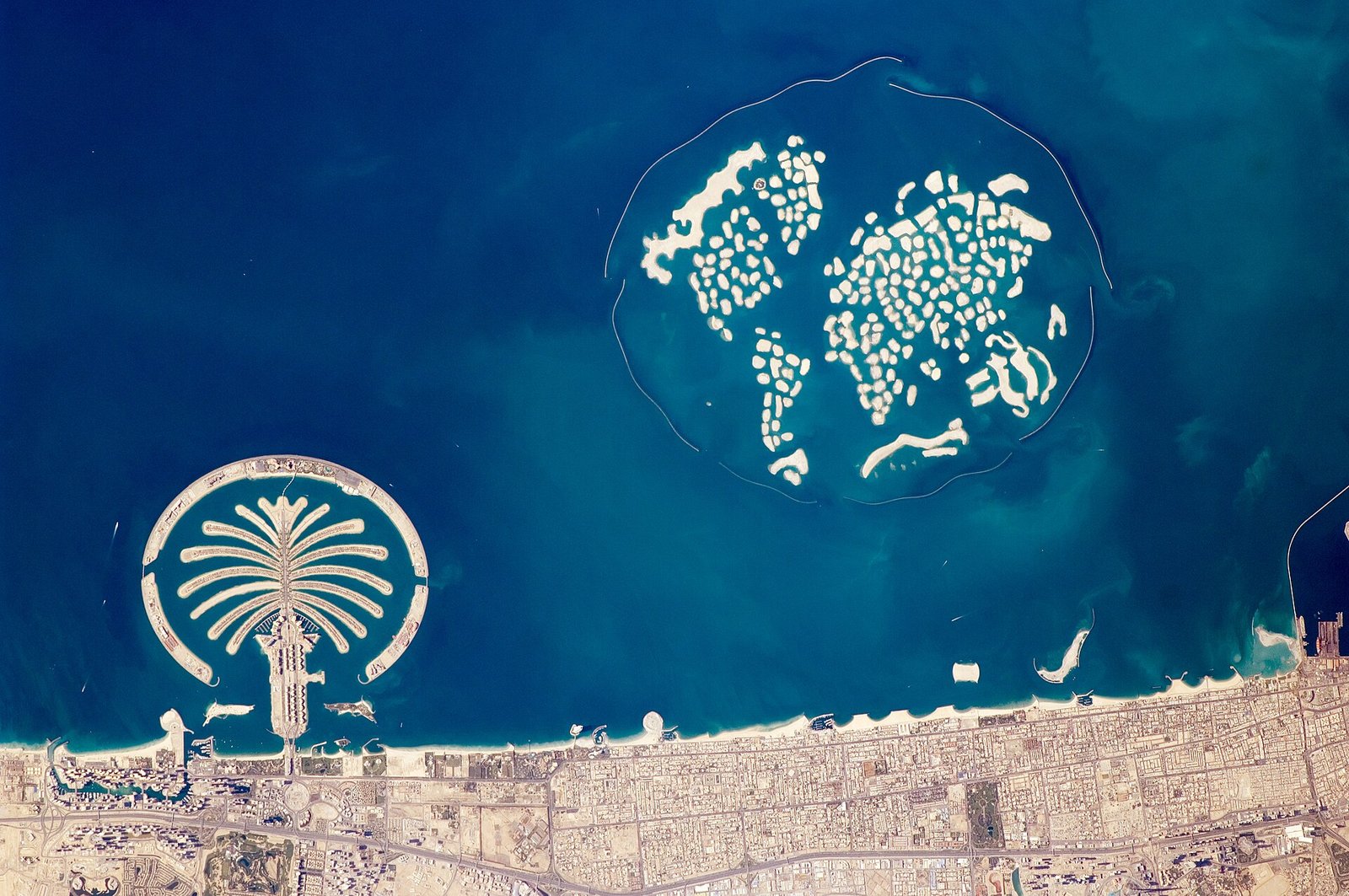
Because land is an emirate matter, the first question in any transaction is which emirate's rules apply. Federal laws set the backdrop, but registration, licensing and much of the dispute machinery are local.
| Jurisdiction | Authorities | Key legislation | Main functions |
|---|---|---|---|
| Dubai | Dubai Land Department (DLD) and its regulatory arm, the Real Estate Regulatory Agency (RERA) | Law No. 7 of 2006 on real property registration; Law No. 8 of 2007 on escrow accounts; Law No. 13 of 2008 on the interim register (as amended); Law No. 6 of 2019 on jointly owned property | Title and lease registration, developer and broker regulation, escrow, owners' committees, advertising permits |
| Abu Dhabi | Department of Municipalities and Transport (DMT) and the Abu Dhabi Real Estate Centre (ADREC) | Law No. 3 of 2015 regulating the real estate sector, amended by Law No. 2 of 2025, with implementing decisions | Registration through the DARI platform, developer licensing, escrow and guarantees, jointly owned property |
| Other emirates | Each emirate's land or real estate registration department | Emirate-level registration and ownership laws | Title registration and local ownership rules, which differ from Dubai and Abu Dhabi |
| DIFC and ADGM | DIFC and ADGM registrars | Each centre's own real property legislation | Separate common-law registers for property inside the centres |
| Federal | Federal ministries, the Federal Tax Authority and the Financial Intelligence Unit | Civil Transactions Law; AML law; VAT and corporate tax laws | Contract law, AML duties on brokers and agents, taxation |
Mortgages, leases and other registrable rights
Registration under real estate regulation in the UAE goes well beyond freehold title. In Dubai, mortgages are registered with DLD under the emirate's mortgage law, and a mortgage over off-plan property is noted against the interim registration. Residential and commercial leases are registered through Ejari, which matters for utility connections, visa applications and any later dispute before the Rental Disputes Centre. Abu Dhabi uses its own lease registration system and records mortgages and long-term rights through its land authorities.
Long leases, usufructs and musataha rights should be registered at the outset, not at the first sign of trouble. An unregistered right may bind the person who granted it, but it will rarely bind a buyer, a lender or a liquidator who relies on the register. Lenders will insist on registration before drawdown, and investors should do the same.
Official texts for Dubai are published on the Dubai Legislation Portal, while Abu Dhabi transactions are increasingly handled through DARI, the emirate's real estate platform.
Who may own what: freehold, leasehold and usufruct
UAE and GCC nationals can generally own land throughout their emirate. Foreign nationals and foreign-owned companies can acquire freehold title only in areas designated for that purpose: freehold areas in Dubai and investment zones in Abu Dhabi. Outside those areas, foreign investors are typically limited to long leaseholds, usufruct rights or musataha (development) rights, each of which must be registered to be enforceable against third parties.
The choice of holding vehicle matters as much as the area. Some registers accept only individuals or particular types of company as owners in particular areas, and a company's shareholders may be scrutinised for nationality. Before signing, confirm that the intended buyer entity is eligible to be registered for that plot. Our page on real estate acquisition in the UAE explains the transaction steps in detail.
The other emirates take their own approach. Sharjah, Ras Al Khaimah, Ajman and the remaining emirates each run their own registers and set their own rules on foreign ownership, which can differ markedly from Dubai and Abu Dhabi in the type of right available to non-nationals and in the areas where it is offered. Real estate regulation in the UAE is therefore never a single answer: a structure that works for a Dubai Marina apartment may not work for a plot in another emirate, and advice should always start with the local register's current practice.
In UAE real estate, a right that is not registered is often a right you cannot enforce against anyone but the person who granted it.
Off-plan sales, escrow and developer obligations
Off-plan sales are the heart of real estate regulation in the UAE, because buyers pay large sums for property that does not yet exist. Both main emirates require project registration before marketing, a dedicated escrow account for each project, and staged release of buyer money as construction progresses.
Dubai
Dubai's escrow law requires developers to open a project escrow account with an approved trustee bank, and buyer payments go into it rather than to the developer. Escrowed funds are ring-fenced from the developer's creditors. Under the interim register law, off-plan sales must be registered with DLD, typically through the Oqood system, which prevents the same unit being sold twice. Termination for buyer default follows a DLD-supervised procedure with notice, and the amount a developer may retain depends on construction progress. Advertising requires a RERA permit, and permit numbers must appear on marketing material.
Abu Dhabi after the 2025 reforms
Abu Dhabi's 2025 amendments tightened the off-plan regime. Each project needs a dedicated escrow account with an approved trustee, buyer instalments and project finance proceeds must be paid into it, and escrow funds cannot be used to pay the land price or broker commissions. Withdrawals are generally barred until at least 20% of construction is complete, verified by approved engineers.
ADREC can allow earlier access for established developers with a clean regulatory record and a track record of on-time delivery, in return for an unconditional bank guarantee of at least 20% of construction cost. Separate 2025 decisions deal with jointly owned property and owners' committees, and with compensation and refunds where off-plan sales are cancelled and units resold. Our page on real estate development in the UAE covers the developer side.
Stalled and cancelled projects
Where a project stalls, the regulator can intervene. In Dubai, RERA may cancel a project that does not progress and require refunds from the escrow account, and Dubai has used a special judicial committee to resolve cancelled and stalled projects. Abu Dhabi's 2025 decisions address developer replacement on incomplete projects and set compensation and refund rules where cancelled units are resold. For buyers, the practical sequence is to check the regulator's record of the project, preserve evidence of every payment into escrow and act within contractual and statutory notice periods.
Before paying a deposit on an off-plan unit, check the project's registration and escrow account number with the land department, not just the developer's brochure. Payments made outside the escrow account lose much of the protection the law gives buyers, and they are hard to recover if the project stalls.
Brokers, advertising and anti-money laundering
Real estate brokerage is a licensed activity. In Dubai, brokerage firms need a trade licence for the activity and registration with RERA, and individual brokers must hold a RERA broker card. Advertising a property for sale or rent requires a permit, and regulators have fined brokers and developers for unlicensed or misleading advertising. Abu Dhabi has a parallel licensing system administered through its real estate authorities.
Real estate agents and brokers are also designated non-financial businesses and professions under the federal AML regime. The AML law of 2025 widened liability and tightened expectations, so brokers must identify buyers and beneficial owners, apply enhanced checks to cash and high-risk transactions, and report suspicious activity through goAML. Developers and investors should expect more questions about the source of funds, particularly for purchases made in cash or virtual assets. See AML compliance in the UAE.
Registering a transfer: the regulatory steps
- Confirm eligibility. Check that the property is in a freehold or investment area open to the buyer, and that the buyer entity can be registered.
- Verify title and encumbrances. Obtain the title or interim registration record, confirm mortgages, caveats and service charge arrears, and review the jointly owned property documents.
- Sign the sale agreement. In Dubai the standard sale contract is lodged with the land department; Abu Dhabi uses DARI. Off-plan sales must be registered in the interim register.
- Obtain clearances. The developer's no-objection certificate, settlement of service charges and the seller's mortgage release are usually needed before transfer.
- Pay fees and transfer. Registration fees are paid and the transfer is completed at a registration trustee office or online, with funds usually exchanged by manager's cheque.
- Post-completion filings. Register any new mortgage, update owners' association records and, for leased property, register or transfer the lease.
Tax, civil law and new technology
Several federal rules shape property structures. VAT generally treats the first supply of new residential property as zero-rated and later residential supplies as exempt, while commercial property is standard-rated, which affects pricing and recovery. Corporate tax under Federal Decree-Law No. 47 of 2022 can apply to companies holding property, and individuals investing personally should check whether their activity falls within or outside the corporate tax rules. See corporate tax in the UAE.
The new Civil Transactions Law, in force since 1 June 2026, replaced the 1985 Civil Code as the general law of contract. Emirate-level real estate laws continue to govern registration and regulation, but general questions such as formation, defects warranties and assignment now follow the new law. Contracts signed before and after that date may be treated differently.
Technology is also reshaping regulation. DLD and VARA have run a real estate tokenisation project, and in early 2026 DLD launched a second phase enabling resale of property tokens in a secondary market. Title remains on the land register, and token issuers need VARA approval, so investors should understand exactly what a token represents.
Risks and common mistakes
Buying through an ineligible entity
Investors sometimes sign a sale agreement in the name of an offshore company or a foreign-owned onshore company without checking whether the register will accept that entity in that area. The problem often surfaces only at transfer, when the deal has to be restructured or abandoned. Confirm eligibility with the land department before signing, and if a corporate holding structure is needed for estate planning or financing, choose one the register recognises.
Relying on unregistered side agreements
Assignment of off-plan contracts, nominee arrangements and private agreements on rent guarantees or buy-backs are common, but many are unenforceable against the developer or third parties unless registered or approved. Nominee holdings can also raise AML and ownership-eligibility issues. Put every right that matters into a registrable document or a contract with a party that can be held to it.
Ignoring jointly owned property rules
Units in towers and master communities come with service charges, community rules and building regulations that bind successive owners. In Dubai, unpaid service charges create a charge on the unit and can block a sale. Buyers who skip these documents may inherit arrears, restrictions on use, or costs for major works. Review the owners' committee minutes, budgets and reserve fund before committing; see our page on property management in the UAE.
Marketing without permits
Developers and brokers who advertise projects or listings without the required permits face fines and, in serious cases, licence action. The risk extends to social media and overseas roadshows aimed at UAE property. Build permit checks into marketing sign-off, and make sure foreign sales agents understand that UAE rules apply to promotions of UAE property even when the audience is abroad.
Assuming the old Civil Code still governs
Precedents and templates drafted before 1 June 2026 were built on the 1985 Civil Code. The new Civil Transactions Law changes some default rules, including limitation periods for certain claims and warranty periods for latent defects in sales. Sale agreements, development agreements and leases should be reviewed so that they do not rely on rules that no longer apply.
Cross-border investors and real estate regulation in the UAE
A large share of buyers come from abroad, and real estate regulation in the UAE interacts with their home rules. Investors from Bangladesh and India need to consider their own foreign exchange controls on outward investment, which can restrict how funds are remitted for property purchases. UK investors face UK tax on worldwide income and gains if UK resident, and inheritance tax planning may influence how the property is held.
Chinese and Saudi investors frequently use holding companies or funds, which raises questions about register eligibility and corporate tax. Singapore-based family offices often hold Gulf property through DIFC or ADGM structures. Powers of attorney signed abroad need notarisation and legalisation or attestation before the land department will act on them. Succession planning matters too: see wills and succession in the UAE and real estate finance for lender requirements.
How TRW & Co helps
We advise investors, developers, lenders and family offices on real estate regulation in the UAE across Dubai, Abu Dhabi, the other emirates and the financial free zones. Where representation before UAE onshore courts, the Rental Disputes Centre or the DIFC/ADGM Courts is required, we work alongside locally licensed advocates and registered practitioners.
Regulatory mapping
We identify which emirate, register and regulator governs your project or acquisition. We list the approvals, permits and timings you need before money changes hands.
Off-plan compliance
For developers we cover project registration, escrow structures, sale agreement templates and marketing permits. That includes Abu Dhabi's 2025 guarantee and early-disbursement rules.
Investor due diligence
We check eligibility, title, escrow status, service charge records and developer track record, and flag the issues that affect price or structure.
Holding structures
We design ownership through individuals, companies, foundations or funds. Each option is weighed against register eligibility, tax, financing and succession.
Broker and AML programmes
We help brokerages and developers build licensing, advertising and AML compliance frameworks that meet the 2025 AML law.
Stalled projects and disputes
We advise buyers and developers on cancelled or delayed projects, refunds and termination procedures. Where needed, we coordinate with real estate dispute counsel.
Browse all TRW & Co practices for related work.
Checklist for decision-makers
- Identify the emirate, register and regulator for the property before negotiating.
- Confirm the buyer entity is eligible to hold title in that area.
- For off-plan, verify project registration and the escrow account with the land department.
- Pay only into the project escrow account and keep proof of every payment.
- Review jointly owned property documents, service charges and arrears.
- Check broker licensing and advertising permits, and expect AML source-of-funds checks.
- Update templates for the new Civil Transactions Law in force from 1 June 2026.
- Model VAT and corporate tax on the holding structure.
- Register every lease, mortgage and right that you will need to enforce.
To discuss a project or acquisition, contact TRW & Co or email info@trw.co.
Frequently asked questions
01Can foreigners own property in the UAE?
Yes, in designated areas. In Dubai, foreign nationals can acquire freehold title in areas designated as freehold, and in Abu Dhabi in designated investment zones. Outside those areas, foreign investors can usually take long leases, usufruct rights or development rights, which must be registered. Other emirates have their own rules. Confirm eligibility for the specific plot and the buyer entity with the land authority before signing.
02Who regulates real estate in Dubai?
The Dubai Land Department registers titles, mortgages and leases, and its regulatory arm, the Real Estate Regulatory Agency (RERA), regulates developers, brokers, escrow accounts, advertising and jointly owned property. The Rental Disputes Centre hears landlord and tenant disputes and many disputes under the jointly owned property law. Dubai legislation is published on the Dubai Legislation Portal.
03What changed in Abu Dhabi real estate law in 2025?
Law No. 2 of 2025 amended Abu Dhabi Law No. 3 of 2015 on the real estate sector, and implementing decisions followed. The changes tightened off-plan escrow, restricting use of escrow funds and generally barring withdrawals until 20% of construction is complete, with an early-access route for qualifying developers backed by a bank guarantee. Further decisions dealt with jointly owned property, owners committees and refunds for cancelled sales.
04How are off-plan buyers protected in the UAE?
Projects must be registered before sale, buyer payments must be made into a project escrow account held by an approved trustee, and funds are released to the developer in stages linked to construction progress. Sales are recorded in an interim register to prevent double-selling. If a project is cancelled, special procedures govern refunds. Buyers lose much of this protection if they pay outside the escrow account.
05Do real estate brokers need a licence in the UAE?
Yes. Brokerage is a licensed commercial activity. In Dubai, brokerage firms are registered with RERA and individual brokers need a RERA broker card, and advertising listings requires a permit. Abu Dhabi operates its own licensing through its real estate authorities. Brokers are also subject to federal AML obligations, including customer due diligence and suspicious activity reporting.
06Does the new Civil Transactions Law affect property contracts?
Yes, as the general law of contract. Federal Decree-Law No. 25 of 2025 came into force on 1 June 2026 and replaced the 1985 Civil Code. Emirate real estate laws still govern registration and regulation, but general rules on formation, assignment, warranties and some limitation periods now come from the new law. Templates drafted under the old code should be reviewed.
07Can UAE property be tokenised?
Dubai has run a real estate tokenisation project led by the Dubai Land Department with VARA, and in early 2026 launched a phase allowing secondary-market resale of tokens. Legal title stays on the land register, typically in the name of a holding vehicle, and token issuance requires VARA approval. Investors should check what rights a token gives, who holds title and how transfers are controlled.
Sources and official materials
- Dubai Land Department — Dubai registration and RERA regulation
- Dubai Law No. 6 of 2019 on Jointly Owned Real Property — Official text on the Dubai Legislation Portal
- Abu Dhabi Real Estate Centre — Abu Dhabi real estate regulator
- Department of Municipalities and Transport — Abu Dhabi government department overseeing the sector
- DARI — Abu Dhabi real estate transactions platform
- DLD tokenisation project phase II — Secondary-market resale of property tokens
- Federal Decree-Law No. 10 of 2025 on AML/CFT — AML duties of brokers and agents
General information only, current as at 27 October 2026. It is not legal advice and does not create a lawyer–client relationship. UAE law differs between the onshore jurisdiction, the DIFC, ADGM and the free zones, and changes frequently; check current official sources and take advice on the facts of your matter.



