
TRW & Co · Shipping, Aviation & Industries
Gaming and Lotteries in the UAE
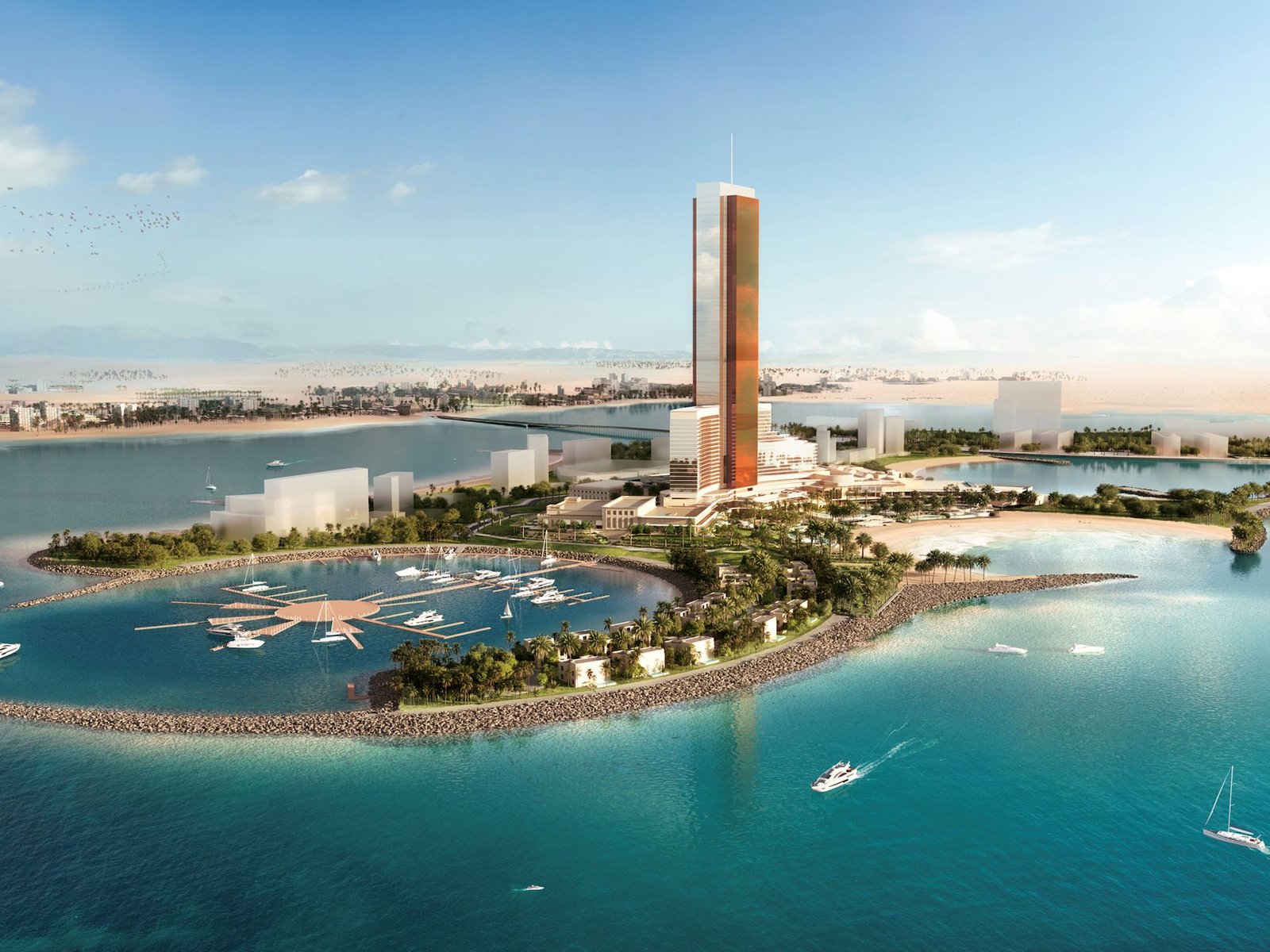
Gaming regulation in the UAE now runs through one federal regulator, the General Commercial Gaming Regulatory Authority. It licenses lotteries, integrated resort casinos, online gaming and sports wagering, together with their suppliers, investors and staff. Unlicensed gaming remains an offence, so operators, brands and investors need to know exactly where the line sits.
Key pointThe GCGRA's definition of commercial gaming covers games combining chance and skill, so paid contests, prize draws and app features can need a licence, and the regulator, not the business, decides whether a scheme is a genuine promotion.
At a glance
One federal regulator
The GCGRA, established under Federal Law by Decree No. 30 of 2022 and announced in September 2023, has exclusive authority to license and supervise commercial gaming.
Five licence types
The GCGRA licenses gaming operators, gaming-related vendors, corporate and individual key persons, and gaming employees, with operator categories for each activity.
First licensees
The UAE Lottery operator was licensed in 2024, Wynn Al Marjan Island received the first gaming facility licence in October 2024, and online wagering followed.
Civil law shift
The new Civil Transactions Law in force from 1 June 2026 drops the old code's gambling provisions, leaving gaming relationships to the GCGRA framework.
Unlicensed gaming illegal
Gambling offences remain in federal criminal law, and the GCGRA has stated that both operators and participants in unlicensed gaming face penalties.
Swipe or scroll →
What gaming regulation in the UAE covers
Gaming regulation in the UAE is the federal regime that licenses and supervises commercial gaming: lotteries and lottery retail, land-based gaming in integrated resorts, internet gaming and sports wagering, and the suppliers, investors, executives and employees behind them. For decades gambling was simply prohibited. Since the General Commercial Gaming Regulatory Authority (GCGRA) began operating in 2023, the position is more nuanced: commercial gaming is lawful only when licensed by the GCGRA, and remains an offence otherwise.
The change affects far more businesses than casino operators. Retailers running prize draws, app developers with skill-based contests, payment providers, media owners selling advertising, hotel groups, technology vendors and investors acquiring stakes in licensees all need to know where the line sits. A promotion, a fantasy sports product or a games-for-prizes feature can cross into regulated territory without anyone intending it.
This page explains the legal framework, the licence categories, the application process, the interaction with criminal and civil law, and the compliance obligations that follow a licence. It focuses on decisions that general counsel, founders and investors actually face.

The legal framework and the regulator
The GCGRA's legislation page identifies Federal Law by Decree No. (30) of 2022 on Regulating Commercial Gaming as its founding law. Under it, the Authority sets strategies, executive regulations and policies for commercial gaming and defines standards of fairness, integrity and accountability. The GCGRA was publicly announced in September 2023.
According to its own description, the GCGRA is an independent executive entity within the federal government, based in Abu Dhabi, with exclusive authority to regulate, license and supervise commercial gaming in the UAE. That federal exclusivity matters: an emirate, free zone or tourism authority cannot itself authorise gaming, although emirate bodies remain responsible for land, building, tourism and local permits around a licensed facility.
What counts as commercial gaming
The GCGRA defines commercial gaming broadly as any game of chance, or combination of chance and skill, in which money or something of value is wagered for the chance to win money or other valuables. Its published materials list gaming machines, internet gaming, skill-based games, lotteries and event wagering as examples. Games of pure skill for prizes are therefore not automatically outside the regime, and the analysis turns on the facts.
The GCGRA distinguishes commercial gaming from genuine promotional activity. Relevant factors include whether the activity serves a marketing purpose, whether any purchase is at fair market value with no premium paid for the chance to win, and whether prizes are treated as marketing costs. The GCGRA decides which side of the line a scheme falls on, so borderline promotions should be assessed before launch. In Dubai, retail promotions also need the usual emirate promotional permits.
How criminal and civil law fit in
Gambling offences remain in the federal Crimes and Penalties Law, Federal Decree-Law No. 31 of 2021, and the Cybercrime Law addresses online activity. The GCGRA has stated that commercial gaming without a valid licence is illegal and that violators, including participants in unlicensed gaming, face penalties. Anyone offering or promoting offshore gaming sites to people in the UAE should treat that exposure seriously.
On the civil side, the 1985 Civil Transactions Law treated gambling and betting contracts as void. The new Civil Transactions Law, Federal Decree-Law No. 25 of 2025, which took effect on 1 June 2026, does not carry those provisions forward. How gaming debts and player claims are treated is therefore increasingly a question for the GCGRA framework and licensee terms rather than the general civil code. Our article on the new Civil Transactions Law explains the wider changes.
| Licence | Who needs it | Typical examples | Key point |
|---|---|---|---|
| Gaming Operator | Entities offering gaming to players | Gaming facility in an integrated resort, internet gaming, sports wagering, lottery operator, lottery retailer | Each activity is a separate operator category with its own conditions |
| Gaming-Related Vendor | Suppliers of gaming equipment, systems or related services | Platform providers, game studios, slot and table suppliers, testing and integrity services | Products must meet the GCGRA technical standards |
| Key Person (Corporate) | Entities with decision-making roles in the ownership chain | Controllers, affiliates, management service providers | Investors acquiring significant interests should plan for suitability review |
| Key Person (Individual) | Individuals with executive decision-making roles | Directors, executive officers, individual controllers | Personal disclosure and probity checks apply |
| Gaming Employee | Individuals working for or connected with licensees | Supervisory and non-supervisory gaming staff | Occupational licensing is tiered by role |
The categories above follow the GCGRA's licence types page. Detailed conditions are set out in the GCGRA's licensing guide and related standards.
The licensed market so far
The GCGRA's first licence went to The Game LLC, the Abu Dhabi-based operator of the UAE Lottery, in mid-2024. In October 2024 it granted the first gaming facility licence to Wynn Al Marjan Island, the integrated resort under development in Ras Al Khaimah, which is scheduled to open in 2027. In December 2025 it was reported that a first licence covering internet gaming and sports wagering had been granted to an Abu Dhabi company operating a platform restricted to players physically present in the UAE. The GCGRA has also added international suppliers to its register of licensed gaming-related vendors.
The transition was not painless for incumbents. Several long-running raffle and draw operators paused their activities from the start of 2024 while the new framework bedded in, and their experience shows how quickly a business model built on a pre-GCGRA understanding can be interrupted. Some resumed later, but the lesson for anyone running draws, sweepstakes or prize-linked products is to obtain a clear view on classification before investing in a launch.
The question is no longer whether gaming is permitted in the UAE, but whether a particular product, partner and investor have each been licensed or cleared by the federal regulator.
The licensing process
The GCGRA runs a staged process designed to identify problems early. The sequence below reflects its published guidance and how gaming regulation in the UAE works in practice for new applicants.
- Structure the applicant. Decide which entity will hold the licence, how it is owned, which parties will be key persons and how management services, technology and payments will be provided. Restructuring later is expensive.
- Submit the intake form. The GCGRA's intake form describes the applicant, the proposed activity and the ownership chain, and starts the dialogue with the regulator.
- Initial screening. The GCGRA screens the proposal and indicates whether to proceed and which licence categories apply.
- File the full application. Detailed applications are made through the GCGRA's licensing portal, with corporate documents, financial information, business plans, policies and personal disclosures for key persons.
- In-principle approval. An in-principle approval signals that the application can progress, but it does not authorise any gaming activity.
- Due diligence and suitability review. The GCGRA reviews probity, source of funds, technical systems and compliance frameworks, and may ask for further information or changes.
- Pre-operational readiness. Systems are tested against technical standards, policies are finalised and staff are licensed before operations commence.
- Commencement and supervision. Once authorised to operate, the licensee is subject to ongoing reporting, audits, inspections and change-of-control approvals.
Investors often focus on the operator licence and overlook the key person regime. If your fund or family office will hold a significant stake in an applicant or licensee, expect the GCGRA to look through the structure to controllers and decision-makers. Prepare disclosure packs, source of wealth evidence and governance documents early, because delays in key person approvals hold up the whole application.
Compliance obligations after licensing
Holding a licence is the start of the compliance cycle. Gaming regulation in the UAE expects licensees to embed integrity, player protection and financial crime controls in their operations, with the GCGRA supervising through reporting and audits.
Technical standards and integrity
The GCGRA has published technical standards for gaming equipment and systems, developed with an international testing laboratory. For online and sports wagering products, geolocation must keep play within the UAE, and products and changes require testing and certification. Vendors should build these requirements into product roadmaps rather than treating them as a final gate.
Responsible gaming and advertising
The GCGRA promotes responsible gaming through self-exclusion tools and awareness programmes, and its advertising standards cover general restrictions, protection of minors, opt-outs, channel-specific rules, sponsorship and social media. Arabic-language advertising is restricted unless permitted by the GCGRA. Media owners and influencers should check that any gaming advertiser holds a licence; our media regulation page covers the wider advertising rules.
Financial crime controls
Gaming is a recognised money laundering risk, and licensees are expected to run robust anti-money laundering and counter-terrorist financing programmes. The federal AML framework was overhauled by Federal Decree-Law No. 10 of 2025, which took effect in October 2025. Customer due diligence, transaction monitoring, sanctions screening and suspicious transaction reporting all apply. See our AML compliance page.
Payments, data and labour
Player funds flow through banks and payment service providers regulated by the Central Bank of the UAE, which apply their own risk appetite to gaming merchants. Player data is subject to the federal Personal Data Protection Law. Licensees are also employers subject to the labour law, Emiratisation and wage protection rules. Our payment services page explains how payment licensing interacts with gaming flows.
Risks and common mistakes
Assuming a skill game or free-to-play model is outside the regime
The GCGRA's definition covers games combining chance and skill where something of value is staked for a prize. Paid-entry tournaments, fantasy contests, prediction products and loot-box style features can therefore fall within it, depending on how entry fees, prizes and odds work. Labels do not decide the question. Before launch, map how users pay, what they can win, how outcomes are determined and whether prizes can be converted to cash. Where the answer is unclear, seek a view from the regulator rather than relying on overseas classifications, which often differ from the UAE approach.
Running a prize draw as an ordinary promotion
Retailers and brands often run draws to drive sales. The GCGRA treats genuine promotions differently from commercial gaming, but the line depends on whether customers pay a premium for the chance to win and whether the draw is incidental to a real sale. A draw where entry is effectively purchased, or where the product is a token, looks like a lottery. Assess the mechanics, check emirate promotional permit requirements and document the marketing rationale. The cost of a redesign before launch is far lower than suspending a live campaign.
Partnering with unlicensed offshore operators
Media groups, affiliates, sports clubs and technology firms are sometimes approached by offshore operators seeking access to UAE audiences. Advertising, processing payments for or otherwise facilitating unlicensed gaming creates criminal, cybercrime and regulatory exposure, and may damage relationships with banks. Ask for evidence of a GCGRA licence, check the licensee register, and include licensing warranties, termination rights and indemnities in any commercial agreement that touches gaming.
Leaving change of control until after signing
Acquisitions of, and investments in, licensees and applicants can trigger key person and controller approvals. Signing and closing without allowing for regulatory review risks breaching licence conditions or leaving a deal stuck. Build regulatory conditions, cooperation covenants and long-stop dates into transaction documents, and prepare the buyer's disclosures in parallel with due diligence. Our M&A team coordinates these workstreams.
Treating technical certification as a formality
Vendors with products certified elsewhere sometimes assume the same build can go live in the UAE. Geolocation, responsible gaming tools, reporting and integrity controls may need configuration specifically for the GCGRA's standards, and any change to a certified system can require re-testing. Plan release cycles around certification, maintain change logs, and agree in supply contracts who bears the cost and delay of re-certification.
Documents to prepare
Strong applications under gaming regulation in the UAE are built on complete, consistent documents. Start assembling them before the intake form.
- Group structure chart showing every entity and individual up to ultimate beneficial owners, with percentages and voting rights.
- Constitutional documents, licences and good standing certificates for the applicant and corporate key persons.
- Personal disclosure forms, CVs, identity documents and source of wealth evidence for individual key persons.
- Business plan, financial projections and evidence of capital and funding sources.
- Compliance manuals covering AML/CFT, sanctions, responsible gaming, data protection, complaints and advertising.
- Technical documentation and certification reports for gaming systems and equipment, plus vendor contracts.
- Payment flow diagrams and banking arrangements, including how player funds are protected.
Tax, structuring and emirate-level questions
Gaming regulation in the UAE is federal, but a licensee still operates inside the general business framework. The licensed entity needs a trade licence covering its activities, premises approvals for any land-based venue and the usual tourism, municipality and civil defence permits from the emirate where it operates. For an integrated resort, land use and development agreements with the emirate sit alongside the GCGRA licence and must be aligned.
Tax deserves early modelling. Licensees fall within the federal corporate tax regime, and VAT treatment of stakes, winnings, commissions and supplier fees needs careful analysis rather than assumptions imported from other markets. Management service fees, platform fees and royalties paid to foreign group companies raise transfer pricing questions. Free zone incentives should not be assumed to apply to gaming income without specific advice.
Structuring choices also affect gaming regulation in the UAE in practice. Holding licences through a single local entity with clear lines to its controllers is easier to approve and supervise than layered offshore structures with nominee arrangements. Where a group runs several activities, such as lottery retail and online gaming, it should consider whether separate entities improve ring-fencing of player funds and regulatory risk.
The cross-border angle
Most gaming businesses entering the UAE are international: operators and suppliers from the UK, Europe, the US and Asia, platform providers with Indian or Singapore development teams, and investors from the GCC. Regulators talk to each other, and a disciplinary history elsewhere will surface in GCGRA due diligence. Group policies drafted for UK or Malta licences are a starting point but need adaptation.
Neighbouring markets take different approaches. Saudi Arabia, a major source of visitors, prohibits gambling, so marketing aimed at Saudi residents needs care, as do any cross-border promotions. In Bangladesh, gambling is broadly restricted, so Bangladeshi investors and technology suppliers should assess home-country rules before participating in UAE gaming ventures. Singapore and the UK both license gaming, and their regulators' experience with integrated resorts and online gaming informs expectations in the UAE. TRW & Co's offices coordinate these angles with local counsel in each jurisdiction.
How TRW & Co helps
We advise operators, vendors, investors, brands and platforms on gaming regulation in the UAE. Our work is advisory, strategic and coordinating; where representation before UAE onshore courts or the DIFC/ADGM Courts is required, we work alongside locally licensed advocates and registered practitioners.
Product classification
We analyse whether a draw, contest, skill game or digital feature is commercial gaming, a permitted promotion or something else, and how to redesign it if needed.
Licence applications
We structure applicants, prepare intake forms and applications, coordinate key person disclosures and manage correspondence through to commencement.
Investment and M&A
We advise investors on suitability requirements, build regulatory conditions into transaction documents and run due diligence on licensees and vendors.
Compliance frameworks
We draft and review AML/CFT, responsible gaming, advertising, data protection and complaints policies aligned with GCGRA and federal requirements.
Commercial contracts
We negotiate platform, supply, management services, marketing affiliate, sponsorship and payment agreements with licensing warranties and allocation of certification risk.
Investigations and disputes
We support licensees and partners facing regulatory inquiries, player complaints or commercial disputes, coordinating with registered practitioners where required.
Checklist for decision-makers
- Test every product with a stake, a prize and an element of chance against the GCGRA definition before launch.
- Identify every licence your group needs, including vendor, key person and employee licences.
- Map ownership to ultimate controllers and prepare disclosures and source of wealth evidence early.
- Build technical certification and geolocation requirements into product plans.
- Adopt AML/CFT, sanctions, responsible gaming and advertising frameworks tailored to the UAE.
- Check that every gaming partner, advertiser and payment counterparty is properly licensed.
- Include regulatory conditions and long-stop dates in transactions involving licensees.
- Monitor GCGRA standards and federal law changes, including any amendments to criminal and cybercrime provisions.
Related areas include hospitality and leisure, consumer protection and sports and events. To discuss a gaming project, contact TRW & Co or explore our practices.
Frequently asked questions
01Is gambling legal in the UAE now?
Commercial gaming is lawful only when licensed by the General Commercial Gaming Regulatory Authority. The GCGRA licenses lotteries, gaming facilities in integrated resorts, internet gaming and sports wagering, together with suppliers, key persons and employees. Gaming without a licence remains illegal under federal criminal law, and the GCGRA has said that participants in unlicensed gaming, not only operators, face penalties. Playing on offshore websites is therefore not a safe assumption, and businesses should never promote or facilitate unlicensed operators.
02Which law created the UAE gaming regulator?
The GCGRA identifies Federal Law by Decree No. (30) of 2022 on Regulating Commercial Gaming as its founding law. The Authority was publicly announced in September 2023 and describes itself as an independent executive entity within the federal government with exclusive jurisdiction to regulate, license and supervise commercial gaming. It issues regulations, licensing guidance, technical standards and advertising standards under that authority.
03Does a retail prize draw need a GCGRA licence?
Not if it is a genuine promotion, but the GCGRA decides. Factors include whether the draw serves a real marketing purpose, whether customers pay fair market value for a product with no premium for the chance to win, and whether prizes are treated as marketing costs. Draws where entry is effectively bought, or where the product is merely a token, can be commercial gaming. Emirate promotional permits may also be needed. Assess the mechanics before launch.
04Can foreign companies obtain a gaming licence?
Yes, the GCGRA licenses international operators and suppliers, and several have joined its vendor register. Applicants must usually structure a suitable licensed entity, disclose their ownership through to ultimate controllers and have key persons approved. Regulators elsewhere will be consulted and disciplinary history will surface. Policies drafted for other jurisdictions need adapting to UAE standards on AML, responsible gaming, geolocation and advertising.
05Are online casinos and sports betting allowed?
Only through GCGRA-licensed operators. Internet gaming and sports wagering are distinct operator licence categories, and the first licence covering both was reported in December 2025 for a platform restricted to players physically in the UAE. Geolocation, age verification and responsible gaming tools are required. Offshore sites without a GCGRA licence are unlawful, and promoting them creates criminal and cybercrime exposure.
06What do investors in a gaming business need to know?
The GCGRA licenses key persons, including corporate controllers, affiliates and management service providers, and individuals with executive roles. A significant investment in an applicant or licensee can therefore trigger suitability review, disclosure of ultimate beneficial owners and source of wealth checks. Transaction documents should include regulatory conditions, cooperation covenants and realistic long-stop dates, and disclosures should be prepared alongside due diligence.
07What are the main compliance obligations for licensees?
Licensees must meet GCGRA technical standards for systems and equipment, operate responsible gaming tools such as self-exclusion, comply with advertising standards, and maintain AML/CFT controls under Federal Decree-Law No. 10 of 2025, including due diligence, monitoring, sanctions screening and suspicious transaction reporting. Data protection, payment, labour and Emiratisation rules also apply. Ongoing reporting, audits and approvals for changes of control or systems continue throughout the licence.
Sources and official materials
- GCGRA: Legislation — Federal Law by Decree No. 30 of 2022 on commercial gaming
- GCGRA: Licence Types — Operator, vendor, key person and employee licences
- GCGRA: Who We Are — Status, mandate and exclusive jurisdiction
- UAE Legislation portal — Crimes and Penalties Law, Civil Transactions Law, AML law
- Central Bank of the UAE — Banks and payment service providers handling player funds
- Wynn Resorts: gaming operator licence announcement — First GCGRA gaming facility licence, October 2024
General information only, current as at 27 October 2026. It is not legal advice and does not create a lawyer–client relationship. UAE law differs between the onshore jurisdiction, the DIFC, ADGM and the free zones, and changes frequently; check current official sources and take advice on the facts of your matter.



