
TRW & Co · Disputes and arbitration
Cheque Bounce Law in the UAE: Decriminalisation, Direct Enforcement and Civil Remedies
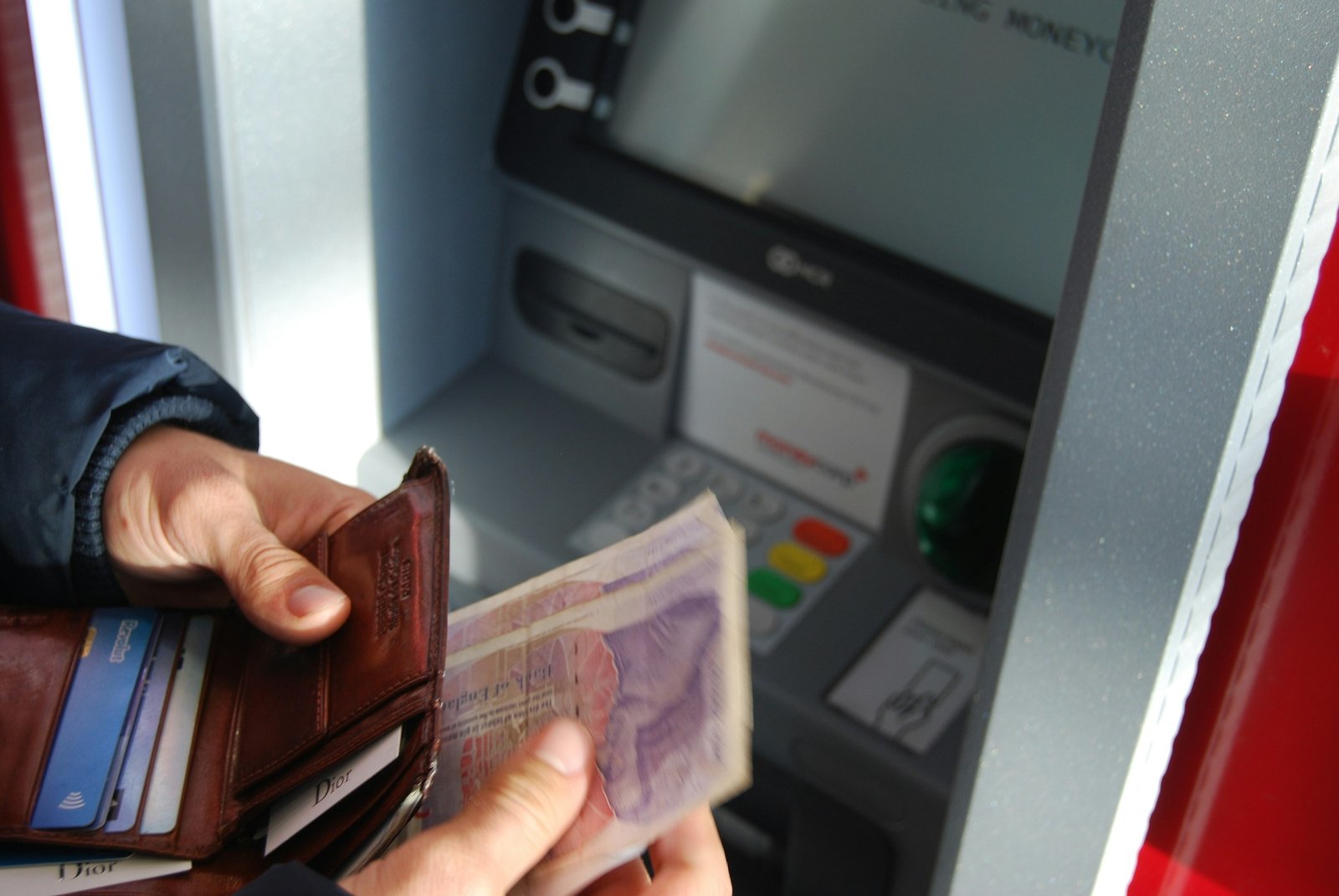
Under the cheque bounce law UAE courts now apply, a cheque returned for insufficient funds is a civil matter, not a crime. Since January 2022 the holder can take the dishonoured cheque straight to the execution judge for payment and asset attachment, while stopping payment in bad faith, emptying the account or forgery remain criminal.
Key pointThe weak point in most cheque cases today is not the law but the cheque itself: if the debtor can show it was handed over as security for an obligation that never fell due, execution can stall, so build the paper trail before you file.
At a glance
Insufficient funds decriminalised
Since 2 January 2022, a cheque bouncing purely for lack of funds no longer triggers a criminal case; the dispute is handled through civil execution instead.
Cheque is a writ
The Civil Procedure Code treats a cheque as a writ of execution, so the holder can open an execution file without first winning a lawsuit.
Bad faith still criminal
Stopping payment without lawful cause, closing or emptying the account before presentation, deliberately making the cheque unpayable and forgery remain criminal offences.
Banks must part-pay
Where funds cover only part of the cheque, the bank must pay that part unless the holder declines, and certify the unpaid balance for execution.
Security cheques contested
Debtors often argue a cheque was only security. Courts may look behind it, so keep contracts, invoices and correspondence showing the debt is due.
Swipe or scroll →
The cheque bounce law UAE businesses deal with today is mostly civil, not criminal. Since 2 January 2022, a cheque returned for insufficient funds is no longer a crime in itself. Instead, the holder can take the dishonoured cheque straight to the court's execution judge and ask for payment and asset seizure, without first winning a lawsuit.
This guide explains what changed, which acts are still criminal, how to enforce a bounced cheque step by step, how cheque execution compares with a payment order or a full claim, and the mistakes that cost creditors time. It focuses on onshore UAE law. The DIFC and ADGM courts apply their own procedures, which we flag where the answer differs.
The short answer: how the cheque bounce law UAE regime works now
Three rules now shape almost every bounced-cheque matter in the onshore UAE.
- Insufficient funds is a civil problem. Drawing a cheque that bounces because the account lacks funds no longer leads to a criminal case on that ground alone.
- The cheque is itself enforceable. The Civil Procedure Code treats a cheque as a writ of execution, so the holder can open an execution file directly instead of suing first.
- Bad-faith conduct is still a crime. Stopping payment without a lawful reason, closing the account or emptying it before presentation, or deliberately making the cheque unpayable remain offences, as do forgery and knowingly using a forged cheque.
Banks also have to pay what they can. Where the account holds part of the amount, the bank must pay that part unless the holder refuses it, and certify the balance that remains unpaid.

What changed in 2022, and where the rules sit today
Before 2022, a bounced cheque was one of the most common criminal complaints in the country. Creditors filed with the police, debtors faced arrest and travel bans, and many disputes that were really about money were run through the criminal courts.
Federal Decree-Law No. 14 of 2020 amended the old Commercial Transactions Law of 1993 and took effect on 2 January 2022. It removed criminal liability for cheques dishonoured purely for lack of funds, created direct civil execution, and introduced mandatory partial payment by banks.
The regime was then carried into the new Commercial Transactions Law, Federal Decree-Law No. 50 of 2022, which took effect on 2 January 2023. That law now contains the substantive cheque rules: what a valid cheque must contain, when it must be presented, partial payment, the duties of the drawee bank and the remaining criminal offences.
Procedure sits in the Civil Procedure Code, Federal Decree-Law No. 42 of 2022, also in force since 2 January 2023. Its payment order chapter expressly carves out cheques because they are already writs of execution, so the cheque holder goes to the execution judge rather than applying for a payment order. The Code was amended in late 2025; check the current text before relying on any detail.
The 2022 reform of the cheque bounce law UAE creditors rely on did not abolish consequences for the drawer. It moved them. Instead of a criminal record, a debtor who ignores a bounced cheque now faces attachment of bank accounts, salary, vehicles, shares and property through an execution file, and potentially a travel ban ordered by the execution judge.
What is still a crime under the cheque bounce law UAE courts apply
The remaining offences target deliberate conduct rather than simple inability to pay. In broad terms, the Commercial Transactions Law still criminalises a drawer who:
- instructs the bank not to pay the cheque outside the narrow lawful grounds, such as loss of the cheque or the holder's bankruptcy;
- closes or freezes the account, or withdraws the balance, so that the cheque cannot be paid when presented;
- deliberately writes or signs the cheque in a way that prevents it from being paid, for example with a signature that does not match the bank specimen;
- endorses or hands over a cheque knowing there are no funds to cover it.
Penalties for these acts include fines calculated by reference to the cheque's value and, for the more serious conduct, imprisonment. Forgery, alteration and knowingly using or accepting a forged cheque carry heavier penalties and are prosecuted as fraud.
In practice, the bank's return memo is the starting point. A cheque returned for "insufficient funds" points to the civil route. A return reason such as "account closed", "payment stopped by drawer" or "signature irregular" may support a criminal complaint as well, but the prosecution will still look for evidence of bad faith rather than treating the memo as proof.
How to enforce a bounced cheque, step by step
For the holder, enforcement under the cheque bounce law UAE regime is now largely a paperwork exercise run through the courts' electronic systems in the relevant emirate: the federal courts, Dubai Courts, the Abu Dhabi Judicial Department or the Ras Al Khaimah courts.
- Present the cheque in time. Present it to the drawee bank within the statutory presentation period. Late presentation can weaken recourse against endorsers and complicate the file.
- Collect the return documents. Keep the original cheque and obtain the bank's return memo or certificate stating the reason for dishonour. If the bank paid part of the amount, obtain the partial-payment certificate showing the unpaid balance.
- Check the drawer and signatory. Confirm whether the drawer is an individual or a company, who signed, and whether the signatory had authority. This decides who the execution file is opened against.
- Open the execution file. File an execution application with the execution court of the competent emirate, attaching the cheque, the return memo, identification of the drawer and a power of attorney if a lawyer files. Court fees apply.
- Execution judge orders payment. The judge reviews the file and, if it is in order, the debtor is notified and directed to pay. No merits hearing on the underlying transaction is needed at this stage.
- Request enforcement measures. If the debtor does not pay, ask for searches and attachment of bank accounts, vehicles, shares, real estate and receivables, and, where the legal conditions are met, a travel ban.
- Deal with objections. The debtor may challenge the execution, for example by arguing the debt has been paid, the cheque was security only or the signature is forged. Short deadlines measured in working days apply to these challenges, so respond promptly.
- Collect and close. Funds recovered through attachment are paid out through the court. Record any settlement in writing and close the file formally so that measures such as a travel ban are lifted correctly.
Where the drawer has assets in the DIFC or the dispute is governed by DIFC jurisdiction, the DIFC Courts apply their own rules and practice. A cheque is still strong evidence there, but the onshore execution shortcut does not automatically transfer. See our guide to DIFC Courts jurisdiction and enforcement.
Cheque execution, payment order or full claim: which route?
Under the cheque bounce law UAE courts apply, a bounced cheque is usually the fastest route to the money it covers. It is not always the best route to the whole debt. Compare the options before filing.
| Route | Best for | Key limits |
|---|---|---|
| Cheque execution | A clear, dated cheque returned unpaid; holder wants assets attached quickly | Recovers the cheque amount only; debtor may object that it was a security cheque |
| Payment order | Other written, fixed and due debts, such as signed invoices, acknowledgements or commercial paper other than cheques | Not available for cheques; requires prior written notice to the debtor |
| Ordinary civil or commercial claim | Larger or disputed amounts, interest, damages or several breaches | Slower; involves hearings, possibly an expert, and appeals |
| Criminal complaint | Bad-faith acts: stop-payment without cause, emptied or closed account, forgery | Does not by itself recover money; requires evidence of intent |
| Arbitration or DIFC/ADGM courts | Contracts with an arbitration clause or common-law court jurisdiction | The cheque is evidence, not a writ of execution, in these forums |
Many creditors combine routes: execute the cheque for the amount it covers and bring a payment order or fast-track claim for the rest of the debt, such as later invoices or late-payment charges. Our debt recovery practice page explains how we sequence these steps.
Partial payment, post-dated and security cheques
Partial payment by the bank
One less-known feature of the cheque bounce law UAE regime is mandatory partial payment. If the drawer's account holds less than the cheque amount, the bank must pay the available balance unless the holder declines. The bank marks the cheque, returns it and issues a certificate showing the amount paid and the unpaid balance.
The holder can then execute for the balance only. Do not refuse a partial payment by reflex: accepting it reduces the exposure and does not waive the right to execute for the remainder.
Post-dated cheques
Post-dated cheques remain common in leases, instalment sales and supplier credit. Under UAE law a cheque is payable on presentation, but banks generally will not pay before the date written on it, and creditors should present on or after that date. Keep a schedule of every cheque, its date and its presentation status.
Security or guarantee cheques
Many commercial deals use an undated or blank "security cheque" to guarantee performance. This is where most cheque disputes now arise. A debtor facing execution will often argue that the cheque was only security and that no debt has fallen due.
The courts examine the underlying relationship when that defence is raised with evidence. If your contract, emails or receipts describe the cheque as a guarantee, expect the execution judge to look behind it, and keep the documents that show the debt is due. Our guide to the law on guarantees in the UAE covers security structures that hold up better.
Illustrative scenario: a distributor's cheques bounce
This scenario is illustrative only and does not describe a real client or case.
A Dubai mainland supplier sells goods on credit to a distributor and receives six monthly post-dated cheques signed by the distributor's manager on a company account. The first two clear. The third is returned for insufficient funds, and the bank pays part of it. The fourth is returned marked "payment stopped".
The supplier keeps the originals and obtains the return memo and partial-payment certificate for the third cheque, then opens an execution file in the competent court for the unpaid balance. For the fourth cheque, it reviews whether the stop-payment instruction had any lawful basis. If it did not, the supplier can consider a criminal complaint alongside execution, but it treats the civil file as the main recovery tool.
The last two cheques are not yet due. The supplier presents them on their dates rather than early, and in parallel sends a written demand covering further invoices not backed by cheques, preparing for a payment order if they stay unpaid.
Risks and common mistakes
Treating every bounced cheque as a quick win
Execution is fast when the cheque reflects a debt that is due. It slows down sharply when the debtor proves the cheque was security for an obligation that has not crystallised, or that the debt was partly paid. Before filing, assemble the invoice trail, delivery records and correspondence that show the amount is owed. If the documents are thin, a payment order or ordinary claim may be the more reliable route, because the execution judge can suspend or cancel a file that rests on a disputed security cheque.
Suing the wrong party on a company cheque
A cheque drawn on a company account is the company's obligation. Since decriminalisation, the individual signatory is not automatically personally liable for an insufficient-funds bounce, although personal exposure can arise from bad-faith conduct, a personal guarantee or director liability rules. Check the account holder name, the signatory's authority and any guarantee before choosing whom to pursue, and consider whether the company is already in financial distress.
Waiting too long
Cheque claims are subject to their own limitation periods, which are shorter than for many contract claims, and presentation deadlines also apply. Delay also gives the debtor time to move assets or leave the country. Diary the presentation dates and act as soon as a cheque returns unpaid; see our note on limitation periods in the UAE.
Relying on a criminal complaint to get paid
For the remaining offences, a criminal complaint can add pressure, but it is not a debt collection tool. Prosecutors look for proof of intent, and a conviction does not by itself put money in your account. Run the civil execution file in parallel, and avoid threatening criminal action in correspondence, which can backfire.
Settling without paperwork
Debtors often offer a new cheque or instalments to close a file. Record the terms in a signed settlement, state what happens to the original cheque and the execution file, and agree how any travel ban will be lifted. A replacement cheque that also bounces simply starts the process again.
Cross-border angle: debtors abroad and foreign enforcement
The cheque bounce law UAE courts apply stops at the border, and many cheque debtors leave the UAE. The execution file can still attach assets that remain in the country, such as bank balances, property, vehicles and end-of-service dues. Where assets are abroad, the creditor generally needs a judgment or order that can be recognised in that country, which a bare execution file may not provide. Our foreign judgment enforcement team works through recognition routes in the debtor's home jurisdiction.
For GCC debtors, cooperation arrangements between member states may help with enforcement. For debtors in Bangladesh, India, the UK or Singapore, a full merits judgment, rather than an execution file on the cheque alone, is usually the stronger document to take abroad. Where there is a real risk of assets being moved, consider interim relief such as precautionary attachment at the outset.
What to do next: a checklist for holders and drawers
If you hold a bounced cheque
- Keep the original cheque safe and get the bank's return memo and any partial-payment certificate.
- Check the drawer, the signatory and the return reason.
- Gather the contract, invoices and correspondence that show the debt is due.
- Decide between execution, a payment order, a full claim or a combination.
- Diary presentation dates and limitation periods for every cheque you hold.
If you issued a cheque that bounced
- Do not close the account, empty it or stop payment without a lawful reason: those acts remain criminal.
- If the cheque was security only, gather the documents that prove it before a file is opened.
- Engage early: a documented settlement is cheaper than attachments and a travel ban.
TRW & Co advises creditors and debtors on cheque disputes, settlement and enforcement strategy as part of our commercial litigation work. Where representation before UAE onshore courts or the DIFC/ADGM Courts is required, we work alongside locally licensed advocates and registered practitioners. Our related guide on travel bans in the UAE explains how bans are imposed and lifted. Contact us at info@trw.co or +971 58 942 1012.
Frequently asked questions
01Is a bounced cheque still a criminal offence in the UAE?
Not when it bounces simply because the account lacks funds. Since 2 January 2022, that is a civil matter enforced through the execution courts. Some acts remain criminal: instructing the bank to stop payment without a lawful reason, closing or emptying the account before the cheque is presented, deliberately signing or writing the cheque so it cannot be paid, and forgery or knowingly using a forged cheque. The bank return reason and the surrounding evidence will decide whether a criminal complaint is realistic, but the civil route is usually the main recovery tool.
02How do I enforce a bounced cheque in Dubai?
Keep the original cheque, obtain the bank's return memo and any partial-payment certificate, and open an execution file with the Dubai Courts execution court, attaching identification details for the drawer. Because a cheque is treated as a writ of execution, you do not need to win a lawsuit first. The execution judge can order payment and, if the debtor does not pay, attach bank accounts, vehicles, shares and property. A travel ban may be requested where the legal conditions are met. Court fees apply, and a lawyer usually files under a power of attorney.
03Can I get a travel ban against someone who gave me a bad cheque?
Possibly, but not automatically. A travel ban in a cheque case is now usually imposed by the execution judge within an execution file, rather than following a police complaint. The court applies conditions set by the Civil Procedure Code, such as the existence of an enforceable debt and a risk that the debtor will leave. The debtor can challenge the ban, and it is lifted on payment, settlement or acceptable security. Ask your adviser to assess whether a ban is proportionate and likely to be granted on your facts.
04What is a security cheque and can it be enforced?
A security cheque is handed over to guarantee performance, often undated or post-dated, rather than to pay a debt that is already due. Holders frequently try to execute such cheques when a dispute arises. The debtor can object that the guaranteed obligation never fell due, and the court may examine the underlying contract and correspondence. Enforcement is still possible where the documents show the secured debt is owed, but the file may be slower and more contested than one based on an ordinary payment cheque.
05Is the person who signed a company cheque personally liable?
For a cheque bouncing purely for insufficient funds, the obligation is generally the company's, because the account belongs to the company. Personal exposure can still arise if the signatory gave a personal guarantee, acted in bad faith (for example by emptying the account or stopping payment without cause), or is liable under director or manager liability rules. Creditors should check the account holder, the signatory's authority and any guarantees before deciding whom to pursue, and debtors should take advice before taking any step on the account.
06What should I do if my cheque was only partly paid by the bank?
Accept the partial payment unless you have a clear reason to refuse it. The bank will mark the cheque, return it to you and issue a certificate showing the amount paid and the unpaid balance. You can then open an execution file for the balance. Accepting part-payment does not waive your right to pursue the rest, and it reduces both your exposure and the court fees linked to the claim value.
Sources and official materials
- Federal Decree-Law No. 50 of 2022 Promulgating the Commercial Transactions Law — Substantive cheque rules, partial payment and remaining offences
- Federal Decree-Law No. 42 of 2022 Promulgating the Civil Procedure Code — Writs of execution, payment orders and execution procedure
- Civil Procedure Law (Ministry of Justice e-laws, English) — English text including the payment order chapter excluding cheques
- Central Bank of the UAE — Regulator of banks and cheque clearing
- Ministry of Justice — Federal courts and judicial e-services
- DIFC Courts — Common-law court procedures in the DIFC
General information only, current as at 27 October 2026. It is not legal advice and does not create a lawyer–client relationship. UAE law differs between the onshore jurisdiction, the DIFC, ADGM and the free zones, and changes frequently; check current official sources and take advice on the facts of your matter.



