
TRW & Co · Immigration and visas
Free Zone Visas in the UAE: Quotas and Process
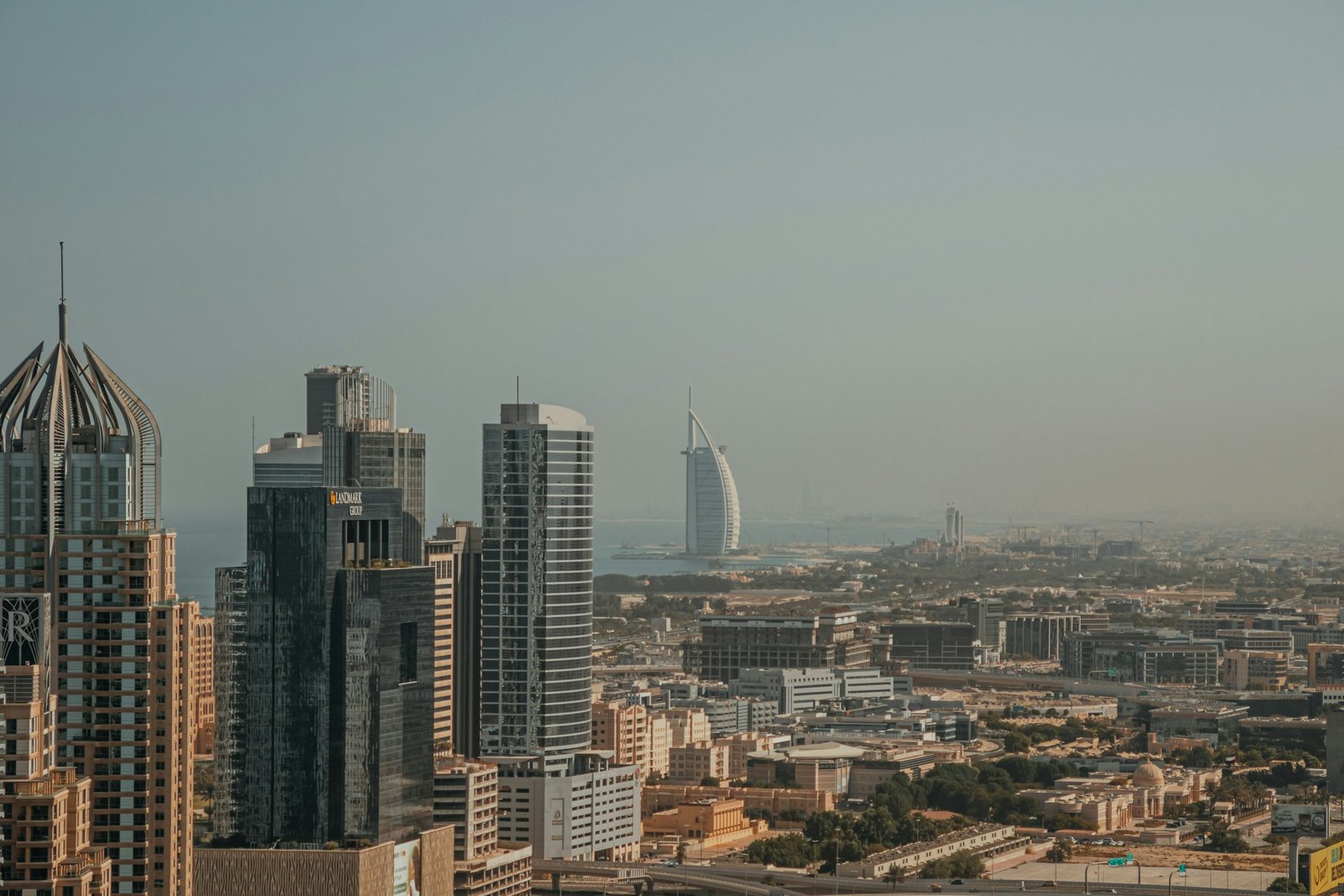
A free zone visa UAE companies sponsor is processed by the free zone authority, not MoHRE, and the number of visas available usually depends on the premises leased. The federal immigration rules still govern entry, medical tests, Emirates ID and cancellation, so planning premises and hiring together is what keeps visa applications moving.
Key pointVisa allocations are usually tied to premises: DMCC, for example, states up to 3 visas on a flexi desk and 1 visa per 9 square metres of physical office space, so the lease decides your hiring capacity.
At a glance
Free zone replaces MoHRE
Free zone authorities issue employment permits and submit immigration applications for their licensees; ICP requires free zone companies to apply through their authority.
Premises drive the quota
DMCC states a flexi desk supports up to 3 visas, a serviced office 4 or 5, and physical space 1 visa for every 9 square metres.
Family-sponsored staff count
DMCC states that an identity card for a family-sponsored person working for the company counts towards the company's visa quota.
60 days to complete
ICP states a foreigner entering on an entry permit should complete residence formalities within 60 days of entry, or overstay fines apply.
No mainland employment
DMCC states its free zone visas are tied to employment within the free zone and do not permit onshore mainland employment.
Swipe or scroll →
A free zone visa UAE companies sponsor is a residence visa processed through the free zone authority rather than through MoHRE. How many visas a company can sponsor is usually set by the free zone according to the premises it leases, from a flexi desk to a full office or warehouse, and the residence itself is still issued by the federal immigration authorities.
This guide explains how quotas work, the steps from entry permit to Emirates ID, how family-sponsored staff and short-term workers fit in, what free zone visas do not allow, and the mistakes that lead to fines. It reflects official sources as of October 2026. Each free zone sets its own rules and fees, so confirm the current position with your free zone before committing to premises.
The short answer: how a free zone visa UAE application works
Onshore, MoHRE issues the work permit and ICP or GDRFA Dubai the residence. In a free zone, the free zone authority takes MoHRE's place: it issues the employment permit or card, opens the company's immigration file and submits visa applications to the immigration authorities. ICP states that free zone companies must apply for their establishment card through their free zone authority.
Three practical rules follow:
- The quota comes from the premises. Most free zones link the number of visas to the type and size of office or facility leased.
- The visa is tied to the free zone company. DMCC, for example, states that its visas are tied to employment within the free zone and do not permit onshore employment.
- The federal rules still apply. Entry permits, medical tests, Emirates ID, grace periods and overstay fines follow the federal immigration framework.

The legal framework and the authorities involved
Entry and residence are governed by Federal Decree-Law No. 29 of 2021 Concerning Entry and Residence of Foreigners. Each free zone operates under its own establishing law and regulations, which give the authority power to license companies, register employees and set conditions such as visa allocations. The government portal's guide to doing business in free zones summarises the model.
The authorities involved are:
- The free zone authority, which licenses the company, sets the quota, issues employment permits or cards and submits immigration applications.
- ICP or GDRFA Dubai, which issue entry permits, residence permits and Emirates ID depending on the emirate.
- MoHRE, which generally does not issue work permits to free zone employees but remains relevant if staff move to mainland employers.
The DIFC and ADGM work differently. They are financial free zones with their own employment laws, and their government services teams handle visas with the immigration authorities. Our guides to setting up in the DIFC and setting up in ADGM cover those regimes.
How free zone visa quotas work
Quotas are the feature that most affects planning. DMCC's own guidance on its four visa types gives a useful example of how a free zone ties the allocation to premises:
| Premises | Visa allocation stated by DMCC | Typical fit |
|---|---|---|
| Flexi desk | Up to 3 visas | Founders and very small teams |
| Serviced office | 4 or 5 visas, depending on office size | Early-stage teams |
| Physical office space | 1 visa for every 9 square metres | Growing teams with dedicated premises |
DMCC adds that a company's quota may be eligible for an increase in some instances, and that companies can increase their allocation by moving to bigger premises or requesting an increase, subject to the authority's approval. Other free zones use their own formulas; some publish packages with a fixed number of visas, others assess each request.
The quota counts more than employment visas. DMCC states that an identity card for a family-sponsored person working for the company also counts towards the quota. Our guide to office space and flexi-desk rules explains how premises choices affect licensing as well as visas.
Comparing quotas across free zones
When comparing free zones, ask the same questions of each: how many visas each premises type supports, whether family-sponsored cards and short-term permits count towards the allocation, how increases are assessed, and whether the allocation can be shared with a branch or group company. The answers often matter more than the headline licence fee.
Package-based free zones can suit a founder who needs a fixed, small number of visas, while premises-based allocation suits teams that expect to grow steadily. Our guides to DMCC company set-up and IFZA and Meydan Free Zone show how two popular Dubai options differ.
Choose premises for the team you will have in eighteen months, not the team you have on licence day. Moving to unlock visas later costs more than planning for them now.
Types of free zone visa and permit
Free zones offer broadly similar categories, with local variations. DMCC, for example, lists four visa types for its licensees: employment, partner or investor, business visitor and student. Across free zones, the main tools are:
- Employment residence visa. Sponsored and processed through the free zone, leading to residence and an employment or identity card.
- Partner or investor visa. For shareholders, usually linked to the shareholding and share capital rules of the free zone. DMCC links eligibility to a minimum shareholding and share capital set out in its guidance.
- Card for family-sponsored staff. Allows a person already resident on a family visa to work for the free zone company without changing sponsor.
- Short-term access or visitor permits. DMCC, for instance, offers access approvals for one, three or twelve months for consultants or contractors, limited to 30% of the workforce, and short business visitor visas.
Owners deciding between investor and employment routes should read our guide to the investor and partner visa.
Dependants of free zone employees
Free zone employees sponsor their own family members as individual residents, subject to the federal salary and housing conditions, rather than through the company's quota. The company's role is to provide salary certificates and employment evidence. If the employee leaves, the dependants' residence falls with the sponsor's unless the family moves to a new sponsor, so exit planning should cover the whole household.
The free zone visa UAE process step by step
The sequence below is typical. Each free zone runs it through its own portal, and timings depend on the free zone and the immigration authority.
- Open the immigration file. The free zone opens the company's establishment card with ICP or GDRFA Dubai. ICP requires an authorised signatory with an Emirates ID or Unified Number; see our guide to the establishment card.
- Check quota and approvals. The free zone confirms that the company has an available visa allocation and approves the role and applicant.
- Entry permit or status change. An employment entry permit is issued for a worker abroad, or a status change for someone already in the country. ICP's entry permit conditions state that the holder should complete residence formalities within 60 days of entry.
- Medical fitness test. Applicants above the age threshold undergo the medical test at an approved centre.
- Emirates ID biometrics. The applicant provides biometrics for the Emirates ID linked to the residence permit.
- Residence and employment card. The residence permit issues and the free zone issues its employment or identity card.
Documents to prepare for a free zone visa UAE application
Free zones publish their own lists, but most ask for a passport copy with sufficient validity, a photograph, the employment contract or offer in the free zone's format, and, for certain roles, attested educational certificates. DMCC notes that educational certificates must be attested and translated into Arabic. Start attestation early: it can take weeks when documents were issued abroad, and an unattested degree is a common reason a free zone visa UAE application is held up.
The entry permit clock starts at entry, not at the start date in the offer letter. Book the medical test and biometrics as soon as the employee lands, especially in peak periods.
Renewals, transfers and cancellations
Free zone residence visas must be renewed before expiry, and the free zone will usually require the company's licence, lease and immigration file to be valid first. A lapsed lease can therefore block visa renewals for the whole team. Align the licence, lease, establishment card and visa renewal dates where you can, and keep a single calendar for all of them.
Moving an employee between two companies in the same free zone, or from a free zone company to a mainland employer, generally means cancelling one permit and issuing another, often by status change within the grace period. When an employee leaves, ICP sets the grace period by category, from 30 to 180 days, and overstay after that period is fined daily. Releasing the allocation promptly also frees quota for the next free zone visa UAE application.
Illustrative scenario: a growing software company
This scenario is illustrative and does not describe a real client. Two founders license a software company in a Dubai free zone on a flexi desk. They take partner visas for themselves and plan to hire a developer within months.
The flexi desk allocation is almost used up by the founders. When the company wins a contract and needs three more developers, it has two options: request an increase, which the free zone may or may not approve, or move to a serviced office with a larger allocation. One candidate is already in the UAE on her spouse's visa, so the company applies for a card for a family-sponsored worker, which still counts towards the quota.
Before signing the new lease, the founders ask the free zone to confirm in writing the allocation the serviced office will carry and how long the move and the related licence amendment will take. They also update the establishment card after the licence amendment so the next applications are not rejected for mismatched data.
For a three-month integration project, the company uses short-term access approvals for two contractors from a related company abroad instead of full employment visas. By mapping hiring to premises at the outset, the founders avoid a mid-contract move.
Risks and common mistakes
Choosing premises on cost alone
A flexi desk is the cheapest way to start, but its visa allocation is small. Founders who later need more visas may have to move premises or wait for an increase that is not guaranteed. Map hiring plans for the next year or two against each premises option before signing the lease, and ask the free zone in writing how increases are assessed.
Putting free zone staff to work on the mainland
A free zone visa UAE authorities issue supports employment with the free zone company within its permitted scope. Placing free zone employees at mainland client sites or on mainland projects without the right permits risks fines for both the company and the client. Check whether the work requires mainland licensing or a separate permit; see our guide to whether a free zone company can do business in the UAE.
Sponsoring visas through an inactive company
ICP publishes a significant fine where entry permits are issued for an establishment that is not conducting business activity. Free zone companies used mainly to hold visas, with no real operations, are exposed. Keep evidence of genuine activity, such as contracts, invoices and staff records, and do not sponsor people who do not work for the company.
Forgetting cancellations when staff leave
When an employee leaves, the free zone permit and the residence must be cancelled, and the leaver then has a grace period that ICP sets by category. Leaving visas active after departure ties up quota and may generate fines. Our guide to visa cancellation sets out the steps.
Cross-border angle
Groups headquartered in the UK, India, Bangladesh, Singapore or China often use a free zone entity as their regional hub. Staff seconded from the parent need a UAE visa sponsored by the UAE entity, or another lawful basis such as a short-term permit, and secondment agreements should state which entity employs and pays them.
Where the group also has a mainland company, each entity has its own quota and immigration file, and staff cannot simply work across both. Our cross-border workforce planning practice helps decide which entity should sponsor whom.
What to do next: a free zone visa UAE checklist
- List the visas you need over the next 18 to 24 months, including founders and dependants' work cards.
- Ask each shortlisted free zone how its allocation works for each premises type, and how increases are approved.
- Confirm the authorised signatory has an Emirates ID or Unified Number before the immigration file is opened.
- Plan medical tests and biometrics within 60 days of each employee's entry.
- Use short-term permits for genuine short projects, within the free zone's limits.
- Keep the licence, lease, establishment card and visa renewal dates on one calendar so a lapse in one does not block the others.
- Keep staff working for the free zone company within its licensed scope.
- Cancel permits and visas promptly when people leave.
TRW & Co advises on free zone selection, structuring and immigration planning. See our free zone company formation practice, or contact us at info@trw.co or +971 58 942 1012 (Dubai, United Arab Emirates).
Frequently asked questions
01How many visas can a free zone company get?
It depends on the free zone and the premises. Most free zones link the allocation to the type and size of office leased. DMCC, for example, states up to 3 visas for a flexi desk, 4 or 5 for a serviced office depending on size, and 1 visa for every 9 square metres of physical space, with increases possible in some instances subject to approval. Other free zones use their own packages or formulas.
02Can a free zone visa holder work on the mainland?
Generally not on the strength of the free zone visa alone. DMCC states that its visas are tied to employment within the free zone and do not permit onshore employment. If a free zone employee needs to work for a mainland entity or on mainland projects, check whether the activity requires mainland licensing or a separate permit before the work starts.
03Does a family-sponsored employee count towards the quota?
Often yes. A person already resident on a spouse's or parent's visa can usually work for a free zone company under an identity or employment card without changing sponsor. DMCC states that such a card counts towards the company's visa quota. Check how your free zone treats these cards before relying on them to save allocation.
04How long does a free zone visa take?
Timing depends on the free zone, the immigration authority and how quickly the applicant completes the medical test and biometrics. ICP states that a foreigner who enters on an entry permit should complete residence formalities within 60 days of entry, so book the medical test and Emirates ID appointment promptly after arrival.
05Can I increase my free zone visa quota?
Usually, either by moving to larger premises or by requesting an increase from the free zone. DMCC states that companies can increase their allocation by moving to bigger offices or requesting an increase, subject to the authority's approval. Approval is not automatic, so plan premises around expected hiring rather than relying on a later increase.
06Are DIFC and ADGM visas the same as other free zone visas?
The immigration side is similar: residence and Emirates ID are still issued by the federal authorities. But the DIFC and ADGM are financial free zones with their own employment laws, and visas are processed through each centre's government services team. Employment terms, end-of-service rules and registration requirements therefore differ from other free zones.
Sources and official materials
- DMCC – The 4 types of Dubai Free Zone Visas at DMCC — Visa types, quota by premises, family-sponsored cards and access approvals
- ICP – Issuing an Establishment Card — Free zone companies apply through their free zone authority
- ICP – Entry permit service conditions — 60-day window to complete residence and inactive-establishment fine
- ICP – Cancellation of residency permits — Grace periods after cancellation by category
- Doing business in free zones – UAE Government Portal — Overview of the free zone model
- Federal Decree-Law No. 29 of 2021 Concerning Entry and Residence of Foreigners — Federal entry and residence framework
General information only, current as at 27 October 2026. It is not legal advice and does not create a lawyer–client relationship. UAE law differs between the onshore jurisdiction, the DIFC, ADGM and the free zones, and changes frequently; check current official sources and take advice on the facts of your matter.



