
TRW & Co · Company formation
DAFZA, Dubai Silicon Oasis and Dubai CommerCity Company Setup

DAFZA company setup means forming a free zone company or branch beside Dubai International Airport under the Dubai Integrated Economic Zones Authority, which also runs Dubai Silicon Oasis and Dubai CommerCity. This guide compares the three zones for trading, technology and e-commerce businesses, sets out the process, and explains the tax and mainland-access decisions that matter most.
Key pointThe three DIEZ zones share a regulatory parent but not a business model: pick DAFZA for air-linked trading, DSO for technology and light industry and CommerCity for online retail, then solve mainland access before you sign a lease.
At a glance
One authority, three zones
The Dubai Integrated Economic Zones Authority oversees DAFZA, Dubai Silicon Oasis and Dubai CommerCity, each with its own offer, facilities and customer portal.
FZCO or branch
Under the DIEZ regulations of 2023, new entities are free zone companies or branches; former single-shareholder FZEs are treated as FZCOs.
Licence follows activity
DSO issues service, trade and industrial licences; a free zone company may carry out only the activities stated on its licence.
CommerCity for e-commerce
Dubai CommerCity, a DIEZ and Wasl Properties joint venture, offers offices, warehousing, fulfilment and last-mile services for digital commerce.
Mainland needs a route
Onshore sales require a distributor, mainland entity, dual licence where offered or Dubai’s mainland operating permit under Executive Council Resolution No. 11 of 2025.
Swipe or scroll →
The short answer: DAFZA, DSO or CommerCity?
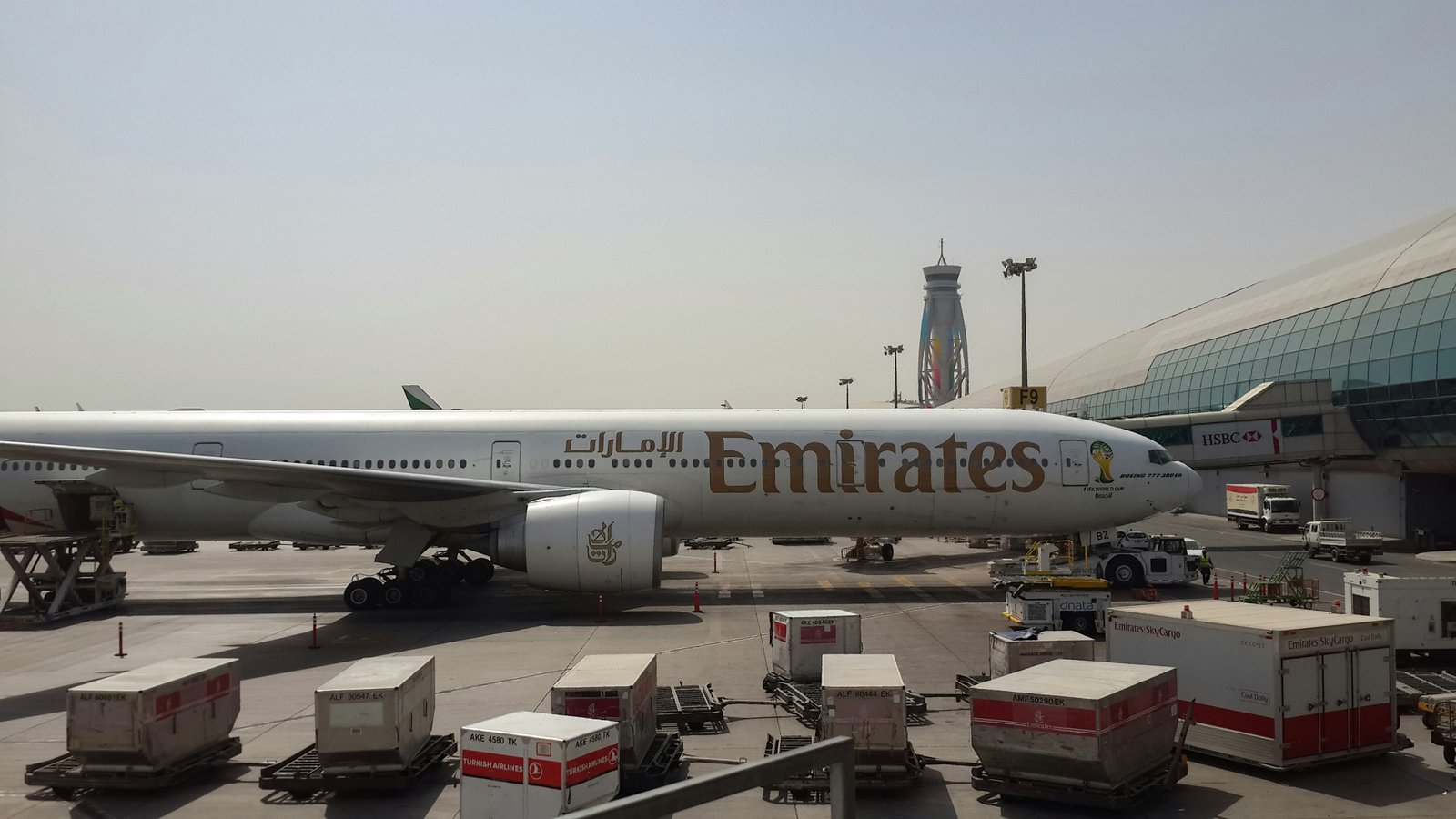
DAFZA company setup means registering a free zone company or branch with the Dubai Airport Free Zone Authority, beside Dubai International Airport, choosing a licence that matches your activity and leasing space in the zone. DAFZA is one of three zones run under the Dubai Integrated Economic Zones Authority (DIEZ), together with Dubai Silicon Oasis (DSO) and Dubai CommerCity (DCC). The three share a parent but serve different businesses.
In broad terms: DAFZA suits trading and service businesses that move high-value goods by air or want an established corporate address near the airport. DSO suits technology companies, start-ups and light industry, with offices, labs, warehouses and residential space in one integrated district. Dubai CommerCity is built for digital commerce, with offices, fulfilment centres, warehousing and last-mile services designed around online retail.
This guide explains the shared DIEZ framework, compares the three zones, walks through the setup process and flags the tax and mainland-access issues that decide whether a structure actually works. For the general free zone versus mainland decision, see our mainland vs free zone comparison.
The framework: DIEZ and its three zones
The Dubai Integrated Economic Zones Authority was created to bring DAFZA, DSO and Dubai CommerCity under one umbrella. Each zone still has its own registrar functions, customer portal and offering, but the regulations and policies are increasingly aligned. The Ministry of Economy and Tourism's list of free zone company registrars names the Dubai Airport Free Zone Authority and the Dubai Silicon Oasis Authority among Dubai's registrars.
Entity types under the DIEZ regulations
DSO's published guidance on the DIEZ regulations of 2023 describes two main vehicles:
- Free Zone Company (FZCO) — a limited liability company with its own legal personality, which may have one or more shareholders and may only carry out the activities on its licence.
- Branch — a branch of a UAE or foreign company, with no separate personality; the parent remains fully liable.
The single-shareholder Free Zone Establishment (FZE) is no longer used under those regulations; existing FZEs are treated as FZCOs. Transfer of incorporation (continuation) into the zone is also possible for some foreign and UAE companies. See DSO's licence types page.
Federal law still applies
A free zone company is outside the onshore licensing regime for its activities, but federal law on tax, AML, sanctions, immigration, labour, consumer protection and commercial fraud still applies. Contract disputes go to the Dubai Courts unless the parties agree arbitration or another forum.
DAFZA, DSO and Dubai CommerCity compared
The right zone follows from how your business makes money and moves goods or data. The table summarises the practical differences for DAFZA company setup and its sister zones.
| Factor | DAFZA | Dubai Silicon Oasis | Dubai CommerCity |
|---|---|---|---|
| Best fit | Trading, aviation, logistics, electronics, pharmaceuticals, regional HQs | Technology, start-ups, R&D, light industry | Online retail, marketplaces, fulfilment and e-commerce services |
| Location advantage | Adjacent to Dubai International Airport | Integrated district with offices, labs, housing and education | Near Dubai International Airport, purpose-built for digital commerce |
| Licence families | Trade, service, industrial and e-commerce activities | Service, trade and industrial licences | E-commerce, logistics and related service activities |
| Facilities | Offices, warehouses, light industrial units | Co-working, offices, warehouses, light industrial units, land | Smart desks, offices, warehouses, fulfilment centre, last-mile services |
| Typical client | Established groups and import-export traders | Founders, tech SMEs, incubated start-ups | D2C brands and cross-border online sellers |
Licence and facility names change; confirm the current catalogue with the zone before you plan. If you are comparing other Dubai zones, see our guides to JAFZA and Dubai South and to DMCC company setup.
What each zone is really for
DAFZA
DAFZA's selling point is the airport. Businesses that import and re-export high-value, time-sensitive goods by air, such as electronics, pharmaceuticals, luxury items and aviation parts, benefit from proximity to cargo handling. DAFZA also hosts regional headquarters of multinational groups that want a recognisable address. DAFZA has promoted a dual-licence arrangement with Dubai's Department of Economy and Tourism that allows certain activities on the mainland without a separate entity; check current availability and scope for your activity.
Dubai Silicon Oasis
DSO is an integrated technology park. Its licences fall into three families: a service licence for specified services, a trade licence for import, export and distribution of listed goods, and an industrial licence for manufacturing, processing and assembly. DSO also issues business operation permits for companies in its administrative zone that hold a Dubai mainland licence. The Dubai Technology Entrepreneurship Campus (Dtec) offers co-working and start-up support.
Dubai CommerCity
Dubai CommerCity describes itself as the region's first free zone dedicated to digital commerce. It is a joint venture between DIEZ and Wasl Properties. Its offer is built around the online retail value chain: offices for platform teams, warehouses and a fulfilment centre, last-mile delivery services, and partnerships to streamline cross-border e-commerce clearance. See Dubai CommerCity. Online sellers should also read our guide to e-commerce and digital platform rules, which apply to free zone sellers too.
Step by step: DAFZA company setup and its sister zones
The process is similar across DIEZ zones. Expect the following sequence, run largely through each zone's online portal.
- Define the activity and model. Decide what you will sell, to whom and from where. List the activities precisely, because a free zone company may only do what its licence states.
- Choose zone, entity and licence. Pick DAFZA, DSO or DCC, then an FZCO or branch, and the licence family that fits.
- Reserve the name and submit the application. Provide shareholder, director and manager details, ultimate beneficial owner information and the business plan the zone requests.
- Clear due diligence. Expect KYC on shareholders and UBOs, and additional approvals for regulated activities.
- Sign the lease. Free zone licences are tied to premises. Desk, office or warehouse choice affects cost and the number of visas you can sponsor.
- Issue licence and constitutional documents. The zone issues the licence, certificate of incorporation and articles.
- Immigration and customs set-up. Obtain the establishment card, process visas and, for goods businesses, register with Dubai Customs.
- Post-licence compliance. Open a bank account, register for corporate tax and, where required, VAT, and diarise renewals and filings.
Bank onboarding usually takes longer than incorporation. Banks want a clear business model, evidence of the owners' source of funds and a real operating presence. Prepare a short business profile, contracts or letters of intent and a substance plan before you apply; our guide to opening a corporate bank account sets out what banks ask for.
Documents and foreign shareholders
Most delays in DAFZA company setup come from documents, not from the authority. Requirements vary by zone and activity, but a typical file includes the following.
Individual shareholders and managers
- Passport copies and, for UAE residents, Emirates ID and residence visa details.
- Proof of address and a short CV or business profile where the zone requests one.
- Source-of-funds and source-of-wealth information, increasingly requested at licence stage and always at the bank.
Corporate shareholders
- Certificate of incorporation, constitutional documents and a recent good-standing certificate.
- A board resolution approving the UAE company or branch and appointing its manager or representative.
- A register or chart showing ultimate beneficial owners, which the UAE company must also keep under the federal UBO rules.
Documents issued abroad usually need notarisation and legalisation, either by apostille where accepted or through the UAE embassy and the Ministry of Foreign Affairs, plus Arabic translation where requested. Build in time for this step, especially for parent companies in jurisdictions with slow registries.
Groups from Bangladesh, India, China, the UK and Singapore often hold their DAFZA company setup through an existing holding company. Before choosing that route, check whether the parent's home tax rules treat the UAE company as a controlled foreign company, whether a double tax treaty applies and whether a tax residency certificate can be obtained for the UAE entity. A brief tax review in both countries is cheaper than restructuring later. For holding structures, see our guide to holding companies in the UAE.
Tax and mainland access
Free zone status does not guarantee a 0% corporate tax rate. A company in DAFZA, DSO or DCC can be a Qualifying Free Zone Person, taxed at 0% on qualifying income, only if it meets substance, audited accounts, transfer pricing and de minimis conditions and does not elect out. Income from transactions with mainland customers is often non-qualifying. The Federal Tax Authority publishes the guidance, and our article on the Qualifying Free Zone Person regime explains the tests.
Mainland access is the second issue. A free zone licence covers activity in the zone and abroad. To sell to onshore UAE customers, companies use a distributor, a mainland branch or subsidiary, or, in Dubai, the mainland operating permit introduced under Executive Council Resolution No. 11 of 2025 and announced by the Dubai Media Office. Our guide on whether a free zone company can do business in the UAE compares the routes.
Goods businesses must also plan customs and VAT. Goods leaving a free zone for the local market are generally treated as imports, and VAT treatment depends on whether the zone, or part of it, is a designated zone. Confirm this for your specific premises before you price.
Illustrative scenario: one group, two zones
This scenario is illustrative only; the parties are generic.
A consumer electronics group based in Asia wants a Gulf hub. It plans to import finished devices by air for regional distributors and to launch its own online store for UAE consumers.
The B2B trading arm fits DAFZA: air cargo proximity, a trade licence and a warehouse for re-export to Gulf distributors. The direct-to-consumer store raises different questions. Selling to UAE consumers means onshore sales, consumer protection rules and last-mile delivery. The group compares a DCC company using the zone's fulfilment services with a mainland e-commerce licence.
It finally chooses a DAFZA FZCO for regional trading and a separate mainland entity for UAE consumer sales, with an intra-group distribution agreement priced at arm's length. This keeps the free zone company's income largely qualifying and puts onshore sales in an entity licensed for them. The DAFZA company setup is the easy part; the structure around it is what needs advice.
Risks and common mistakes
Choosing a zone for the lowest package price
Package prices differ, but the real cost lies elsewhere: the right premises for your visa needs, customs registration, tax status and mainland access. A cheaper desk licence that cannot support the warehouse or staff you need will cost more when you have to amend or move. Model three years of costs, including renewals, leases and visas, and compare like with like. Our article on company setup costs in Dubai sets out the cost heads.
Activities drafted too narrowly
A free zone company may carry out only the activities on its licence. If the licence says "computer trading" and you start offering software implementation, you need an amendment. Adding activities later is possible but takes time and can trigger new approvals. Draft the activity list around the business you expect in the next two to three years, not just launch day.
Assuming 0% tax applies automatically
Qualifying Free Zone Person status depends on meeting conditions every year, including adequate substance in the zone, audited financial statements and the de minimis test for non-qualifying revenue. Breaching a condition can mean losing the 0% rate for the year of breach and following years. Build tax status into the business plan and track mainland revenue from day one.
Selling onshore without a route
Invoicing onshore customers directly from a free zone company without a recognised route risks licensing breaches and customs problems, and makes the income non-qualifying for tax. Decide the onshore route before the first order: a distributor, a mainland branch or subsidiary, a dual licence where available, or the Dubai mainland operating permit.
Leaving renewals and annual filings to chance
A free zone licence is renewed annually, and renewal depends on a valid lease, up-to-date shareholder and UBO records and, in many cases, filed audited accounts. Corporate tax registration and returns run on their own federal timetable, separate from the zone's. Missing a renewal can lead to fines, blocked visa services and difficulty with the bank. Put licence, lease, establishment card, visa, UBO, audit and tax dates in one compliance calendar with a named owner, and review it each quarter.
Checklist before you start DAFZA company setup
- Business model written down: products or services, customers, supply chain and data flows.
- Zone selected on fit, not price: DAFZA for air-linked trading, DSO for tech and light industry, DCC for digital commerce.
- Entity chosen: FZCO for a new company, branch for an existing group that wants to keep liability at parent level.
- Activity list drafted for the next two to three years.
- Premises sized for staff, visas and stock.
- UBO and KYC documents ready, with certified and legalised copies for foreign shareholders.
- Tax plan: QFZP status, transfer pricing for related-party flows, VAT registration.
- Mainland route decided and documented.
- Bank account strategy prepared in parallel with the licence.
TRW & Co advises on zone selection, structuring, constitutional documents and post-licence compliance for DAFZA company setup and for DSO and Dubai CommerCity. To discuss your plans, contact our Dubai team.
Frequently asked questions
01What is the difference between DAFZA, DSO and Dubai CommerCity?
All three are Dubai free zones under the Dubai Integrated Economic Zones Authority, but they target different businesses. DAFZA sits beside Dubai International Airport and suits air-linked trading, logistics and regional headquarters. Dubai Silicon Oasis is a technology park with offices, labs, warehouses and housing for tech firms and light industry. Dubai CommerCity is dedicated to digital commerce, with fulfilment and last-mile services for online retailers.
02Can a DAFZA company have a single shareholder?
Yes. Under the DIEZ regulations described in DSO’s published guidance, a Free Zone Company can have one or more shareholders, and the older single-shareholder FZE form is no longer used, with existing FZEs treated as FZCOs. Shareholders can be individuals or corporate bodies, subject to KYC and beneficial ownership checks. A foreign or UAE company can alternatively open a branch, which has no separate legal personality.
03Can a DAFZA company sell to customers in mainland Dubai?
Not directly on its free zone licence alone. Common routes are appointing a mainland distributor, setting up a mainland branch or subsidiary, using a dual-licence arrangement where DAFZA offers one for the activity, or obtaining Dubai’s mainland operating permit for free zone companies under Executive Council Resolution No. 11 of 2025. Each route has different licensing, customs and corporate tax consequences.
04Is a DAFZA company tax-free?
Not automatically. A free zone company can be a Qualifying Free Zone Person and pay 0% corporate tax on qualifying income only if it meets conditions on substance, audited accounts, transfer pricing and limits on non-qualifying revenue. Other income is taxed at the standard rate. Companies must register for corporate tax and file returns regardless, and VAT may also apply depending on activity and turnover.
05Which zone is best for an e-commerce business in Dubai?
Dubai CommerCity is purpose-built for digital commerce, with fulfilment centres, warehousing and last-mile services, so it suits online retailers that want infrastructure in one place. DAFZA and DSO also license e-commerce-related activities. If most customers are UAE consumers, compare a free zone company plus a mainland route with a mainland e-commerce licence, because onshore sales and consumer rules drive the structure.
06How long does DAFZA company setup take?
Timelines depend on the activity, the completeness of KYC documents, any regulatory approvals and the lease. Straightforward service or trading companies with complete documents move faster than regulated activities or applications with foreign corporate shareholders that need legalised documents. Bank account opening usually takes longer than the licence itself, so start preparing bank documentation in parallel rather than after incorporation.
Sources and official materials
- Ministry of Economy and Tourism — Company registrars in free zones — Official list of Dubai free zone registrars
- Dubai Silicon Oasis — Licence types — Licence families and DIEZ 2023 entity types
- Dubai CommerCity — Digital commerce free zone facilities and services
- Dubai Airport Freezone — DAFZA licences, facilities and setup
- Dubai Media Office — Free zone mainland operating permit — Permit for free zone companies operating in mainland Dubai
- Federal Tax Authority — Corporate tax, Qualifying Free Zone Persons and VAT
General information only, current as at 27 October 2026. It is not legal advice and does not create a lawyer–client relationship. UAE law differs between the onshore jurisdiction, the DIFC, ADGM and the free zones, and changes frequently; check current official sources and take advice on the facts of your matter.



