
TRW & Co · Real Estate, Construction & Energy
PPP and Concessions in the UAE
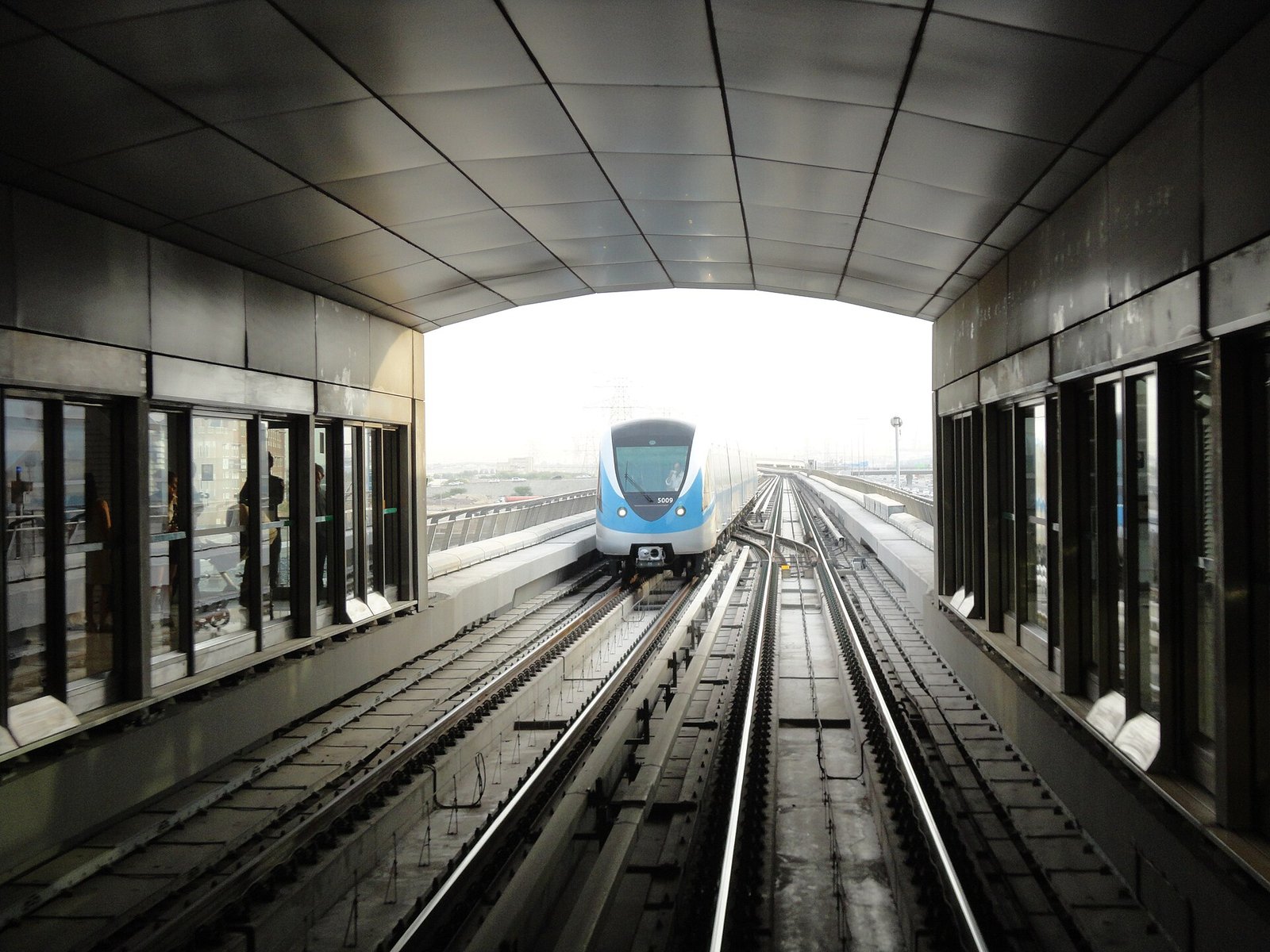
PPP in the UAE lets private companies finance, build and run public assets under long concessions, from schools and street lighting to transit and utilities. Abu Dhabi has a dedicated PPP law and a 24-project pipeline for 2026 and 2027, and Dubai is procuring its own. This guide covers the frameworks, the risk allocation that lenders test and the decisions bidders must make.
Key pointUnder the new Civil Transactions Law, in force since 1 June 2026, a musataha land right must be concluded through a registered contract or it is void, so registration has become a condition precedent that bidders and lenders cannot leave to after financial close.
At a glance
Emirate-led frameworks
Abu Dhabi procures under Law No. (2) of 2019 through ADIO, while Dubai has its own PPP law, with guidance from its Department of Finance.
AED 55 billion pipeline
ADIO and the Abu Dhabi Projects and Infrastructure Centre are bringing 24 PPP projects in transport, infrastructure and social sectors to market in 2026 and 2027.
Typical concession terms
ADIO cites 12 to 23 years for its programme, including 20-year school concessions and 12.5-year LED street lighting contracts.
Availability payment model
Most social infrastructure PPPs pay the project company for availability and performance, so deductions regimes drive revenue risk and bankability.
New civil law underneath
Since 1 June 2026 the Civil Transactions Law governs onshore concessions, including hardship, agreed compensation and mandatory musataha registration.
Swipe or scroll →
What PPP in the UAE covers
PPP in the UAE means a long-term contract under which a private company designs, builds, finances, operates or maintains a public asset or service, and is paid by the government, by users or by both. The model covers schools, student housing, street lighting, roads, transit, wastewater and, most established of all, the independent power and water projects that supply Abu Dhabi and Dubai.
Concessions are the wider family. A concession grants a private party the right to build or run an asset, often on public land, and to earn revenue from it for a fixed term. Port and terminal concessions, airport services, utility networks and land-based development rights all sit here, alongside formal PPPs procured under a dedicated statute.
The market is growing quickly. In Abu Dhabi, the Abu Dhabi Investment Office (ADIO) and the Abu Dhabi Projects and Infrastructure Centre have launched a public-private partnership pipeline of 24 projects worth AED 55 billion across transport, infrastructure and social sectors, to be brought to market through 2026 and 2027. Dubai is procuring its own programme. For sponsors, contractors, lenders and operators, the legal questions now concern how to bid, how to price risk and how to exit.
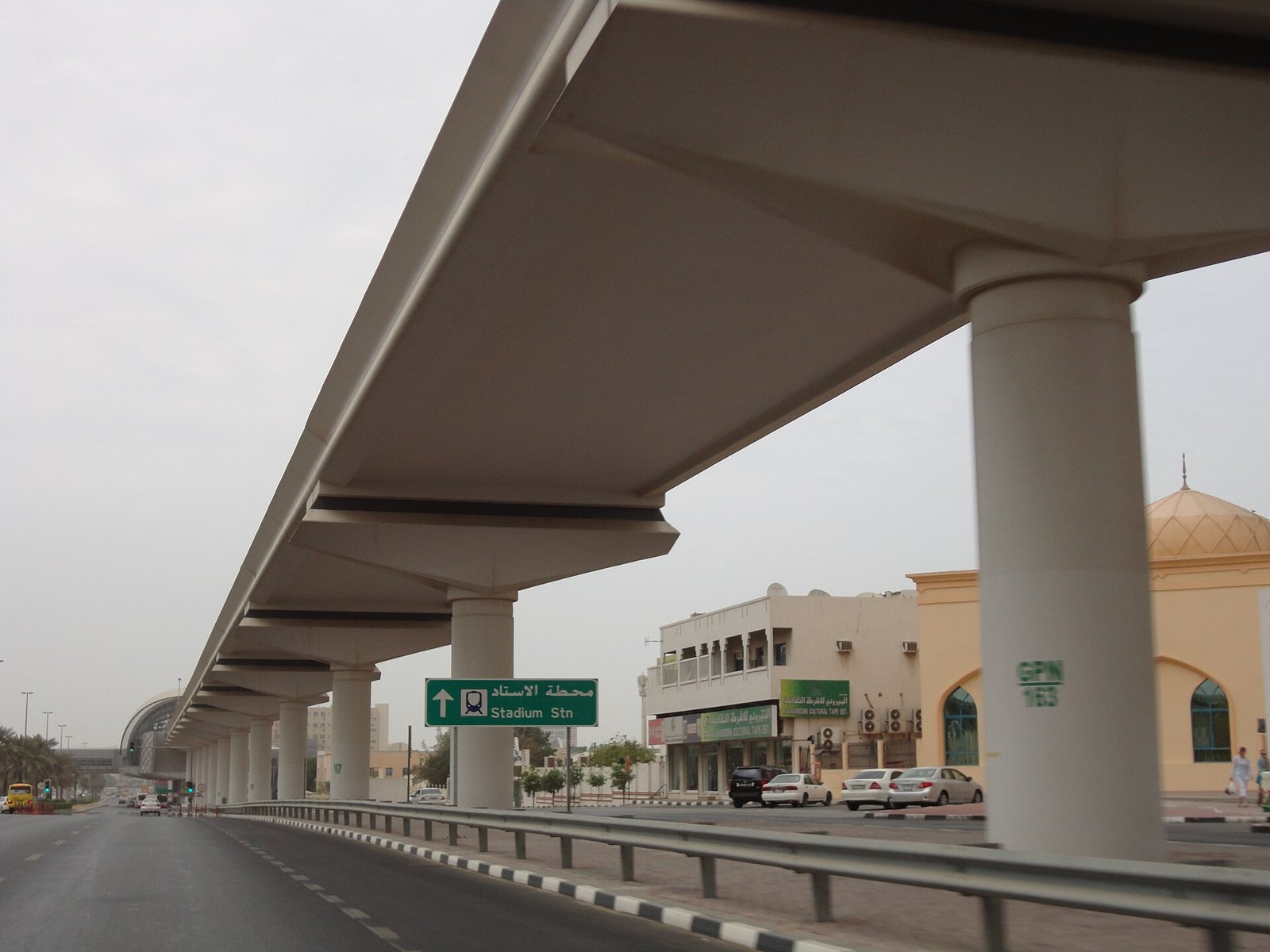
The legal framework: emirate laws first
There is no single national code for PPP in the UAE. Each emirate procures its own projects under its own legislation, and federal entities follow federal rules. The emirate is therefore the first question for any bidder.
Abu Dhabi
Abu Dhabi has the most developed framework. According to ADIO’s PPP programme, Law No. (1) of 2019 established ADIO and gave it core functions including the development and implementation of PPP projects, and Law No. (2) of 2019, the PPP Law, made ADIO the authority responsible for approving, procuring and overseeing PPP projects in the emirate. ADIO publishes guidance, runs competitive tenders and invites unsolicited proposals for consideration.
Projects that have reached financial close show the typical shape: Zayed City and Khalifa City schools on 20-year design, build, finance and maintain concessions for the Department of Education and Knowledge; Khalifa University student accommodation on a 23-year concession; and three phases of LED street lighting on 12.5-year supply, install, finance and maintain contracts. ADIO describes typical concession lengths of 12 to 23 years for this social infrastructure programme.
Dubai
Dubai has its own emirate law regulating partnerships between the public and private sectors, with guidance issued through the Dubai Department of Finance. Government procurement and contracts more generally are governed by Dubai Law No. (12) of 2020. Dubai has used PPP structures for power and water, where the Dubai Electricity and Water Authority keeps a stake in project companies, and is procuring further projects such as a Dubai Metro extension and stormwater infrastructure. Emirate legislation can be checked on the Dubai Legislation Portal.
Federal entities and the general law
Federal ministries and authorities contract under federal procurement rules and federal PPP legislation for their own projects. Whatever the procuring entity, the onshore contract is subject to UAE civil law, and that law changed on 1 June 2026, when the new Civil Transactions Law, Federal Decree-Law No. 25 of 2025, replaced the 1985 code. Its rules on hardship, force majeure, penalty clauses and land rights such as musataha now sit underneath every onshore concession.
| Feature | Abu Dhabi | Dubai | Utility IPPs (EWEC and DEWA) |
|---|---|---|---|
| Statute | Law No. (2) of 2019 (PPP Law) | Dubai’s emirate PPP law | Sector laws and procuring entity rules |
| Lead body | ADIO, with the procuring government entity | Department of Finance and the procuring entity | The utility as single buyer |
| Typical assets | Schools, student housing, street lighting, transport, social infrastructure | Transit, stormwater, social infrastructure, utilities | Power, water, solar and storage plants |
| Payment model | Mainly availability payments | Availability or user-pays, project by project | Capacity and energy or water payments under purchase agreements |
| Term | Typically 12 to 23 years (ADIO) | Project-specific | Long-term offtake; market range up to about 35 years |
| Unsolicited proposals | Invited by ADIO | Check procuring entity | Generally competitive tender |
Structuring decisions that drive bankability
A concession is only as strong as its revenue stream and its termination regime. Lenders will analyse both before anything else, so sponsors should too. Most social infrastructure PPP in the UAE uses availability payments: the government pays a fixed sum, adjusted for indexation, provided the asset is available and meets performance standards. Deductions for unavailability or poor performance are the main risk to cash flow, so the payment mechanism deserves as much negotiation as the price.
Risk allocation
Construction risk is passed through to the EPC or design-build contractor, operating risk to the facilities management or O&M contractor, and the project company keeps what is left. Change in law, discriminatory government action, relief events and force majeure are allocated in the concession. In 2026, regional shipping disruption has made the force majeure and supply chain provisions live issues, not boilerplate, and the new Civil Transactions Law gives courts power to adjust obligations for exceptional circumstances that make performance excessively onerous.
Termination and compensation
Compensation on termination is where the government’s commitment is tested. Lenders expect senior debt to be protected on authority default and, to a negotiated extent, on force majeure or even contractor default. Sponsors seek equity return on authority default. The calculation method, the timing of payment and whether the authority can set off sums owed must be precise, because an onshore court will apply the contract as written and the Civil Transactions Law’s controls on agreed compensation.
In a 20-year concession the price is fixed on day one. Everything that can go wrong afterwards is decided by the payment mechanism, the relief events and the termination schedule.
Land, security and step-in
Many concessions sit on government land granted by usufruct or musataha. Under Article 1255 of the new Civil Transactions Law, a musataha must be concluded through a registered contract, and an unregistered disposition is void. Register the land right, confirm it can be mortgaged or assigned by way of security and agree direct agreements that let lenders step in before the authority terminates. Our page on project finance covers the lender side.
Utility IPPs and asset concessions outside the PPP statutes
The longest-running form of PPP in the UAE is the independent power and water project. In Abu Dhabi, the Emirates Water and Electricity Company acts as single buyer, procuring generation, desalination, solar and storage capacity from project companies under long-term purchase agreements. In Dubai, the utility has used similar structures while keeping a shareholding in the project company.
These projects are procured under sector rules and the utility’s own processes rather than the general PPP statutes, but the legal architecture is the same: a creditworthy offtaker, a long-term revenue contract, a project company financed with limited-recourse debt and a set of back-to-back construction and operating contracts. Our page on power purchase agreements covers the offtake terms in detail.
Other concessions arise outside formal PPP programmes altogether. Port terminals, logistics zones, airport services, retail and advertising rights, district cooling networks and land-based development rights are often granted by government-owned companies or free zone authorities under commercial agreements. These are negotiated rather than tendered under a statute, so there is no statutory procurement procedure to rely on and no published standard form. The protections a sponsor would expect from a PPP law, such as compensation on early termination or a defined change-in-law regime, exist only if the contract provides them.
The practical consequence is that diligence must start with the grantor. Confirm that the entity has authority to grant the right for the full term, whether government approvals are needed for assignment or security, how the right interacts with land registration and whether disputes go to onshore courts, a free zone court or arbitration. Where the grantor is a government-owned company rather than a government department, sovereign immunity and enforcement questions can also differ.
The procurement process step by step
Procurement of PPP in the UAE follows a broadly common sequence, although timing and documents differ by emirate and procuring body.
- Market sounding and pipeline. The procuring entity and, in Abu Dhabi, ADIO test appetite with sponsors, contractors and lenders. Use the sounding to flag unbankable risk allocations early, when the authority can still change the model.
- Expression of interest and prequalification. Consortia submit credentials, financial standing and team structure. Agree the consortium agreement, exclusivity and bid cost sharing before submission, not after shortlisting.
- Request for proposals. The authority issues the draft concession, output specifications, payment mechanism and evaluation criteria. Raise clarifications and mark-ups within the windows allowed; late comments are rarely accepted.
- Bid preparation. Price the project with committed EPC and O&M terms, lender term sheets, insurance advice and In-Country Value commitments. Ensure the subcontracts mirror the concession so that risk passes down cleanly.
- Preferred bidder and negotiation. Negotiate the remaining points, finalise direct agreements and satisfy conditions such as corporate approvals, licences and land registration.
- Financial close. Sign the concession, finance documents and subcontracts, fund the equity and draw the first debt. Hedging and indexation are fixed at this point.
- Construction and operation. Manage interfaces, change and relief events through construction, then operate against the performance regime for the life of the concession, with any equity transfers subject to lock-up and consent.
Abu Dhabi’s pipeline brings 24 projects to market within two years. Consortia that bid on several will see similar documents repeatedly. Investing once in a clear position paper on payment mechanism, termination compensation and In-Country Value lets you bid faster and more consistently, and makes your clarification requests more persuasive.
Documents and the contract suite
A PPP is a set of interlocking contracts. Gaps between them are where losses arise. Expect to negotiate and align:
- The concession or project agreement with the procuring entity, including output specifications, payment mechanism and handback requirements.
- The shareholders’ agreement for the project company, with funding obligations, reserved matters, lock-up and transfer rules. See our page on shareholder agreements.
- EPC or design-build contract and O&M or facilities management contract, each back-to-back with the concession.
- Finance documents, security over shares, accounts, receivables and land rights, and direct agreements with the authority and key contractors.
- Land documents: usufruct or musataha agreements and their registration evidence.
- Insurance programme, independent engineer appointment and interface agreements with utilities and other government bodies.
- Bid documents and In-Country Value certificates, which can become contractual commitments.
Risks and common mistakes
Pricing a payment mechanism you have not modelled
Bidders often accept the authority’s deduction regime and assume performance will be good enough. In practice, deductions for minor unavailability across many rooms, lamps or kilometres can add up quickly and are rarely capped in the sponsor’s favour. Model realistic failure rates with the O&M contractor, pass deductions down in the subcontract and negotiate rectification periods, grace periods and caps before pricing. Once the bid is submitted, the commercial balance is very hard to recover.
Gaps between concession and subcontracts
If the EPC contractor’s relief for delay is wider than the project company’s relief under the concession, the project company carries the difference. The same applies to change in law, force majeure and liability caps. Run a structured back-to-back review before financial close, and use interface agreements where two contractors share responsibility. Lenders will look for this, and unresolved gaps can delay financial close.
Ignoring the new Civil Transactions Law
Since 1 June 2026, onshore concessions are underpinned by Federal Decree-Law No. 25 of 2025. Its controls on agreed compensation, its hardship rule and its registration requirement for musataha can override or reshape contract terms. Concessions drafted on older templates may not reflect them. Review the governing-law analysis for each document, especially land rights and liquidated damages, and consider whether parts of the structure should sit in the ADGM or DIFC common-law environment.
Underestimating lock-ups and exit
Procuring authorities usually prohibit equity transfers during a lock-up that runs from construction until one or two years after commissioning, and later transfers need consent from the authority, regulators and lenders. Pre-emption rights under UAE company law may also apply. Sponsors planning to recycle capital should negotiate clear consent criteria and permitted transfers within the group at bid stage.
Treating In-Country Value as marketing
ADIO’s programme sets mandated targets for Emiratisation, research and development and local supply chains, and other procuring entities use In-Country Value scoring. Commitments made in the bid can become contractual obligations with consequences for non-delivery. Make only commitments the supply chain can meet, document how they flow down to subcontractors and track them through the concession term.
Disputes and enforcement
Most concessions provide for escalation, expert determination for technical matters and arbitration. The Dubai International Arbitration Centre and arbitrateAD in Abu Dhabi administer most UAE-seated cases, and international institutions are also used. Some government entities insist on onshore courts or require approval before agreeing to arbitration, so check the authority’s capacity to arbitrate early. Our pages on construction arbitration and arbitral award enforcement explain the next steps if a dispute escalates.
Cross-border angle: sponsors, contractors and lenders from abroad
PPP in the UAE attracts sponsors and contractors from China, South Korea, India, Saudi Arabia, the United Kingdom and Europe, and lenders from regional, Asian and export credit agency markets. Each brings its own approval processes, sanctions and anti-bribery rules and preferred governing laws. Chinese and Korean contractors often need their EPC terms aligned with home-country export credit cover; Saudi sponsors may be bidding into similar programmes in the Kingdom under different rules.
For groups connected with Bangladesh and South Asia, the UAE is often the first market where they meet a full PPP structure, and the UAE company becomes a platform for later bids at home. We work with TRW & Co’s offices in Dhaka, Singapore and London and with local counsel elsewhere so that holding structures, tax, foreign exchange and enforcement are considered across the group, not only in Abu Dhabi or Dubai.
How TRW & Co helps with PPP in the UAE
Bid strategy and consortium formation
We draft consortium, teaming and exclusivity agreements, allocate bid costs and set the decision rules that keep a consortium together through a long tender.
Concession review and mark-up
We review the draft concession, payment mechanism and termination regime against the emirate’s framework and the new Civil Transactions Law, and prepare clarification requests.
Back-to-back contracting
We align EPC, O&M and interface agreements with the concession so that risk passes down and gaps are closed before financial close.
Land and security
We advise on usufruct and musataha rights, registration and the security package lenders need, working with the relevant land departments.
Operations, change and claims
We support project companies through variations, relief events, deductions and disputes over the concession term, coordinating with technical experts.
Secondary transfers and exits
We advise sponsors and investors on lock-ups, consents, pre-emption and sale processes for operational concessions.
We provide advisory, structuring and coordination services. Where representation before UAE onshore courts or the DIFC or ADGM Courts is required, we work alongside locally licensed advocates and registered practitioners. To discuss a pipeline project, contact our Dubai team, or see infrastructure projects and our practices for related work.
Checklist for decision-makers
- Which emirate’s law and which procuring body govern this project, and is the authority able to agree arbitration?
- Have we modelled the payment mechanism and deductions with our O&M contractor, not just accepted the authority’s figures?
- Is termination compensation clear on calculation, timing and set-off for each termination event?
- Are EPC and O&M contracts genuinely back-to-back on relief, change in law, force majeure and liability caps?
- Is the land right registered, and can it be secured in favour of lenders under the new Civil Transactions Law?
- Are our In-Country Value commitments deliverable and flowed down to subcontractors?
- Do lock-up and transfer provisions allow the exit route our investment case assumes?
- Have we checked sanctions, anti-bribery and foreign approval requirements for every consortium member and lender?
PPP in the UAE rewards preparation. The bidders who win, and who make money over twenty years, are usually those who settled their positions on risk before the request for proposals arrived.
Frequently asked questions
01Is there a federal PPP law in the UAE?
PPPs are mainly procured at emirate level. Abu Dhabi has Law No. (2) of 2019, its PPP Law, under which ADIO approves, procures and oversees projects. Dubai has its own emirate law regulating partnerships between the public and private sectors. Federal entities follow federal procurement and partnership rules for their own projects. Because frameworks differ, the first step is to identify the procuring entity and the law that governs its procurement.
02How long do PPP concessions in the UAE last?
It depends on the asset. ADIO describes typical concession lengths of 12 to 23 years for its programme: for example, 20 years for school projects, 23 years for university student accommodation and 12.5 years for LED street lighting. Power and water purchase agreements and larger transport concessions can run longer, and market practice across the UAE ranges up to about 35 years.
03Can we submit an unsolicited PPP proposal?
In Abu Dhabi, ADIO invites investors to propose unsolicited PPPs as well as to bid for published concessions. An unsolicited proposal still has to satisfy value-for-money and approval requirements, and the project may later be competitively tendered. Protect your work through confidentiality terms and understand how the authority will treat your proposal before sharing detailed designs or financial models.
04How does the new Civil Transactions Law affect concessions?
Federal Decree-Law No. 25 of 2025 has applied since 1 June 2026. It governs onshore contracts beneath their own terms, including rules on hardship, force majeure, agreed compensation and land rights. Notably, a musataha right must be concluded through a registered contract, and an unregistered disposition is void. Concessions and finance documents should be checked against the new law, particularly where they rely on land rights or liquidated damages.
05Can sponsors sell their stake in an operating PPP?
Usually, but not freely. Procuring authorities typically impose a lock-up from construction until one or two years after commissioning, and later transfers need consent from the authority, regulators and lenders. Pre-emption rights under UAE company law can also apply. A secondary market is developing as early projects mature, so negotiate clear consent criteria and permitted intra-group transfers at bid stage.
06What is In-Country Value and why does it matter?
In-Country Value measures the economic contribution a bidder makes to the UAE, through local spending, Emiratisation, local manufacturing and similar factors. ADIO’s PPP programme includes mandated targets for Emiratisation, research and development and local supply chains, and Abu Dhabi runs a local content programme. Commitments made at bid stage can become contractual obligations, so they must be realistic and passed down to subcontractors.
07Does TRW & Co act for bidders or authorities?
We advise sponsors, contractors, operators and investors on bids, concession terms, back-to-back contracting, land rights and disputes, and we can assist other participants subject to conflict checks. We provide advisory and coordination services and work alongside locally licensed advocates where onshore court representation is needed. Contact us at info@trw.co or +971 58 942 1012 to discuss a project.
Sources and official materials
- Abu Dhabi Investment Office: Public-Private Partnerships — Law No. (1) and (2) of 2019, PPP framework and closed projects
- Abu Dhabi Investment Office — AED 55 billion PPP pipeline with the Abu Dhabi Projects and Infrastructure Centre
- Dubai Department of Finance — Dubai government finance and PPP guidance
- Dubai Legislation Portal — Dubai laws including PPP and government contracts legislation
- UAE Legislation portal — Federal Civil Transactions Law and federal texts
- Emirates Water and Electricity Company (EWEC) — Single buyer and procurer of Abu Dhabi power and water projects
- arbitrateAD — Abu Dhabi arbitration centre and rules
General information only, current as at 27 October 2026. It is not legal advice and does not create a lawyer–client relationship. UAE law differs between the onshore jurisdiction, the DIFC, ADGM and the free zones, and changes frequently; check current official sources and take advice on the facts of your matter.



