
TRW & Co · Tax
UAE Excise Tax: Products, Rates and Registration in 2026
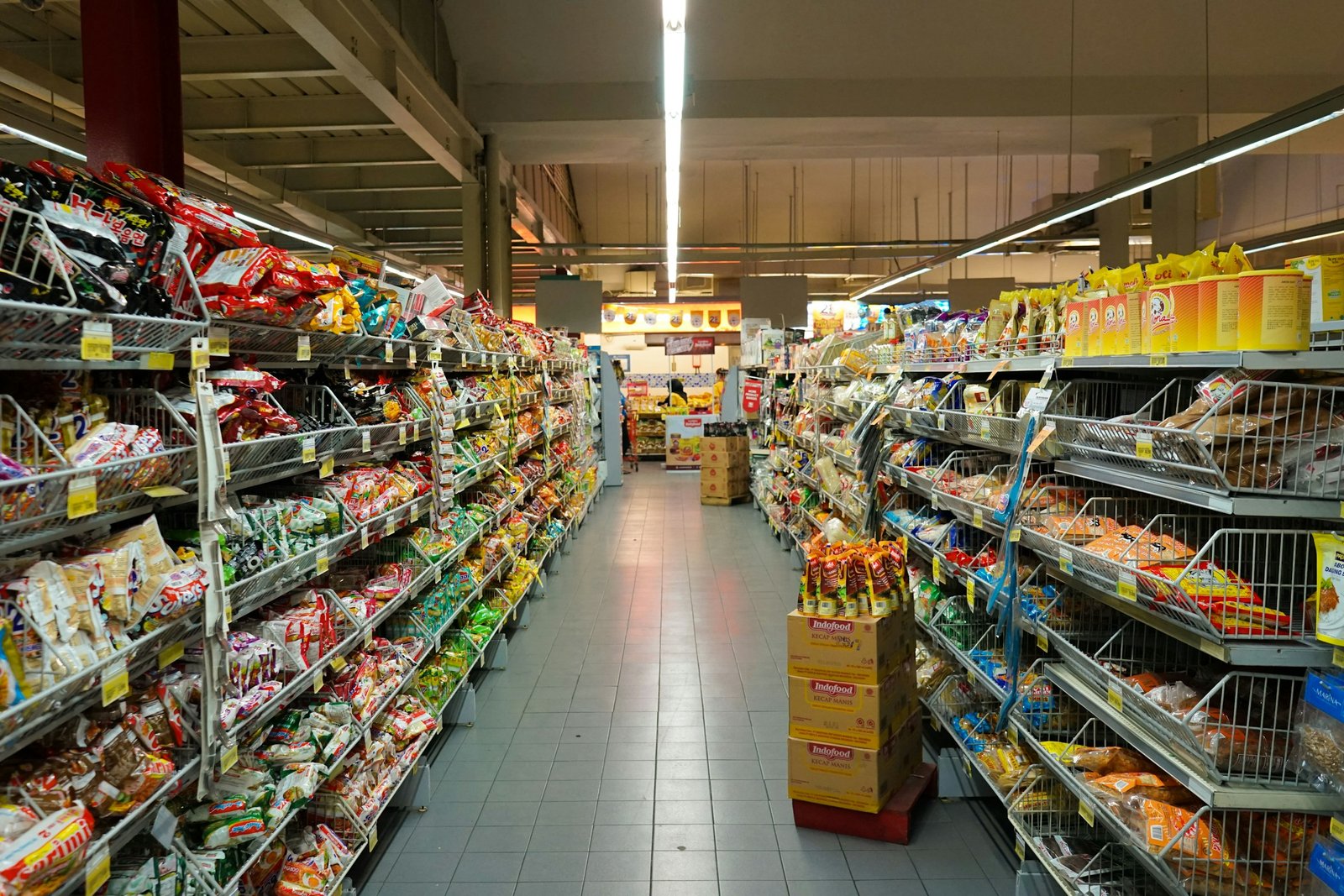
Excise tax UAE rules tax tobacco, e-cigarettes, energy drinks and sweetened drinks when they are produced, imported, released from a designated zone or stockpiled. Since 1 January 2026 sweetened drinks are taxed by sugar content. This guide explains the goods, the rates, registration, monthly returns, designated zones and the mistakes that cause assessments.
Key pointA sweetened drink without an FTA-accepted laboratory report is taxed in the top tier of AED 1.09 per litre, so product registration with the right lab evidence now drives the tax bill as much as the rate itself.
At a glance
Excise goods
Tobacco and tobacco products, e-cigarette devices and liquids, energy drinks and sweetened drinks, under Cabinet Decision No. 197 of 2025 from 1 January 2026.
Rates
100% for tobacco, e-cigarettes, e-liquids and energy drinks; sweetened drinks AED 1.09 or AED 0.79 per litre by sugar tier, or zero below 5 g per 100 ml.
Minimum prices
From 1 September 2026 the excise price cannot be below AED 0.4 per cigarette, AED 0.1 per gram of water pipe tobacco or AED 1 per ml of e-liquid.
Registration
No threshold: producers, importers, stockpilers and designated zone operators must register before trading, applying within 30 days of the month of the activity.
Returns
The tax period is the calendar month, with returns filed and tax paid by the 15th day of the following month through EmaraTax.
Swipe or scroll →
The short answer: how excise tax UAE rules work in 2026
Excise tax UAE rules impose a one-off tax on goods considered harmful to health: tobacco and tobacco products, e-cigarette devices and liquids, energy drinks and sweetened drinks. Tax arises when the goods are produced in the UAE in the course of business, imported, released from an excise designated zone or stockpiled. There is no turnover threshold: anyone carrying on those activities as a business must register before starting.
The regime changed significantly on 1 January 2026. Cabinet Decision No. 197 of 2025 replaced the old list of excise goods and rates. Sweetened drinks are no longer taxed at a flat 50% of price but under a tiered volumetric model based on sugar content per 100 ml. Tobacco, e-cigarettes, e-liquids and energy drinks remain at 100%, and from 1 September 2026 minimum excise prices apply to cigarettes, water pipe tobacco and e-liquids.
Registered businesses file monthly returns and pay by the 15th day of the following month. This guide explains the goods, rates, registration, returns, designated zones and the mistakes that lead to assessments.

The legal framework
The excise tax UAE regime rests on Federal Decree-Law No. 7 of 2017 on Excise Tax, which implements the GCC Common Excise Tax Agreement. It has been amended several times, most recently by Federal Decree-Law No. 7 of 2025, effective 1 October 2025, and Federal Decree-Law No. 17 of 2025, effective 1 January 2026. The Federal Tax Authority (FTA) administers it.
The secondary legislation is just as important:
- Cabinet Decision No. 37 of 2017, the Executive Regulation, as amended by Cabinet Decision No. 198 of 2025 from 1 January 2026;
- Cabinet Decision No. 197 of 2025 on excise goods, rates and the excise price, effective 1 January 2026, which repealed Cabinet Decision No. 52 of 2019;
- Cabinet Decision No. 137 of 2026 on the minimum excise price for tobacco products and e-liquids, effective 1 September 2026;
- FTA Decisions No. 10 and No. 11 of 2025, on calculating sugar and sweetener content and on additional cases where excise tax paid can be deducted; and
- the FTA decisions on the marking of tobacco products (the digital tax stamp scheme).
The Decree-Law caps rates at 200% of the excise price and, since the 2025 amendment, allows specific amounts of up to AED 100 per unit of measurement. All of these texts are on the FTA legislation page.
Excise goods and rates from 1 January 2026
| Excise good | Rate or amount | Basis |
|---|---|---|
| Tobacco and tobacco products (Chapter 24 of the GCC tariff, including heated cigarettes) | 100% | Excise price, subject to minimum prices from 1 September 2026 |
| Liquids used in electronic smoking devices | 100% | Excise price, with a minimum price per ml |
| Electronic smoking devices and tools | 100% | Excise price |
| Energy drinks, including concentrates and powders | 100% | Excise price |
| Sweetened drinks with 8 g or more of sugar or other sweeteners per 100 ml | AED 1.09 per litre | Volume |
| Sweetened drinks with 5 g or more but less than 8 g per 100 ml | AED 0.79 per litre | Volume |
| Sweetened drinks with less than 5 g per 100 ml | AED 0 | Volume |
| Drinks sweetened only with artificial sweeteners, or with these and less than 5 g of sugar | AED 0 | Volume |
Carbonated drinks are no longer a separate excise category in the 2026 list. A carbonated drink is taxed only if it is a sweetened drink or an energy drink.
The sweetened drinks model
The FTA explains the model on its tiered volumetric model page, and the full text is in Cabinet Decision No. 197 of 2025. It is the biggest excise tax UAE change since the regime began. A sweetened drink is any product with added sugar, artificial sweeteners or other sweeteners that is produced for consumption as a drink, whether ready to drink or as a concentrate, powder, gel or extract. Naturally occurring sugar counts towards the total once sugar or sweeteners have been added. For concentrates and powders, the content is measured in the final drink according to the producer's instructions.
Several products are excluded: drinks with at least 75% milk or milk substitutes, baby formula and baby food, drinks for special dietary or medical uses meeting the relevant GCC standards, and drinks prepared in restaurants and served in open containers for immediate consumption. Drinks containing alcohol fall outside the energy and sweetened drink categories.
The producer or importer must submit a laboratory report accepted by the FTA showing the sugar and sweetener content of each sweetened drink. Without it, the product is taxed in the highest tier, AED 1.09 per litre, until a report proves otherwise. Registering products with correct lab evidence is the single most valuable compliance step for beverage businesses in 2026.
How the excise price is set for 100% goods
For goods taxed as a percentage, the excise price is the higher of the price on the FTA's published standard price list, if any, and the designated retail sales price less the tax included in it. For goods taxed at 100%, the tax is half the designated retail sales price. The designated retail sales price is the higher of the recommended retail price declared by the importer or producer, excluding VAT, and the average market retail price.
From 1 September 2026, Cabinet Decision No. 137 of 2026 sets floors: the excise price cannot be less than AED 0.4 per cigarette, AED 0.1 per gram of water pipe and similar tobacco, and AED 1 per ml of e-liquid.
Who must register for excise tax UAE purposes
Excise tax is charged on four activities: producing excise goods in the UAE in the course of business, importing excise goods, releasing excise goods from a designated zone, and stockpiling excise goods in the course of business. A person may not carry on any of these activities before registering.
The person liable must apply for registration within 30 days of the end of the month in which it carried out, or intended to carry out, the activity. Unlike VAT, there is no turnover threshold. The FTA can except a person who will not regularly import excise goods, and a person importing for non-business purposes is excepted from registration but must pay the tax on import.
Anyone who operates, or intends to operate, an excise designated zone must register separately as a Warehouse Keeper. Excise designated zones are FTA-approved facilities where excise goods can be produced or stored with tax suspended. They are not the same as VAT designated zones; our guide to VAT in free zones and on imports explains the difference.
Stockpilers
A stockpiler is a person who owns "excess" excise goods in free circulation on which tax has not been paid, typically when a new good becomes taxable or a rate increases. Broadly, excess goods are those above the person's average monthly stock over the previous twelve months. Tax rate changes such as the 2026 sweetened drinks model and the minimum tobacco prices can trigger stockpiling questions for distributors.
Registration, returns and payment: step by step
- Classify your products. Confirm which products are excise goods, using customs tariff codes, ingredients and, for drinks, sugar and sweetener content.
- Obtain lab reports. For sweetened drinks, obtain laboratory reports acceptable to the FTA before the products are imported or produced.
- Register on EmaraTax. Apply for excise registration within the deadline and link your customs registration so imports are recognised.
- Register products. Add each product to the FTA's records with its price or category, and comply with tobacco marking requirements where relevant.
- Import or release goods. Declare goods at customs or release them from the designated zone, with the tax accounted for on the correct basis.
- File monthly returns. The tax period is the calendar month; returns and payment are due by the 15th day of the following month.
- Claim deductible tax. Deduct excise tax paid on goods that are exported, used to make other excise goods, affected by a rate decrease, or covered by FTA Decision No. 11 of 2025, keeping the required evidence.
The FTA's excise tax pages contain guides, public clarifications and scenarios for producers, importers and warehouse keepers.
Choosing how to bring excise goods to market
Businesses usually choose between three models, each with a different excise tax UAE profile. The right answer depends on cash flow, the share of goods sold outside the UAE and the volume of stock held at any time.
- Direct import with immediate payment. Simple, but tax is paid on arrival, before goods are sold, which ties up cash.
- Import into an excise designated zone. Tax is suspended until goods are released for consumption in the UAE, and goods re-exported from the zone are not taxed. It suits distributors serving several markets but requires a registered Warehouse Keeper and strict stock records.
- Local production. Tax arises on production in the UAE, or on release from a designated zone for producers operating inside one. Manufacturers also need an industrial licence and must manage recipes against the sugar tiers.
An illustrative scenario
This scenario is illustrative only and uses generic parties.
A Dubai food and beverage distributor imports flavoured iced teas from Asia. Until December 2025 they were taxed at 50% of the retail-based excise price. From 1 January 2026, tax depends on sugar content per 100 ml.
The distributor's lead product contains 7 g of sugar per 100 ml, which falls in the AED 0.79 per litre tier. A reformulated version from the manufacturer contains 4.5 g per 100 ml and attracts no excise tax. The distributor obtains FTA-accepted laboratory reports for both before the first 2026 shipments. A third product, launched in a hurry, has no report and is taxed at AED 1.09 per litre until a report is submitted and the product is reclassified.
The distributor also holds stock imported before 1 January 2026, on which excise tax was paid at the old rate. It reviews FTA Decision No. 11 of 2025 and the transition guidance to see whether any of that tax can be deducted under the new model, and documents the stock on hand at the changeover.
Risks and common mistakes
Importing before registering
Carrying on an excise activity before registration is prohibited, and customs will not treat a business as a registered importer unless its excise registration and customs code are linked. New entrants such as e-commerce sellers of vaping products or start-up beverage brands often discover the requirement only when goods are held at the port. Register first, then link customs registration, then ship.
Missing or weak lab reports for drinks
Under Cabinet Decision No. 197 of 2025, a sweetened drink without an accepted laboratory report is taxed in the highest tier. Reports must reflect the actual formulation, including naturally occurring sugar in juice-based drinks. Every recipe change or new supplier batch specification should trigger a check on whether the existing report still holds.
Under-declaring retail prices
For tobacco, e-cigarettes and energy drinks, the excise price depends on the retail price declared, the average market price and, from September 2026, minimum prices for tobacco and e-liquids. Declaring a low recommended retail price does not reduce tax if the market average is higher, and inconsistent pricing data invites FTA review. Price lists, promotions and channel pricing should be reconciled before registration.
Poor designated zone and stock records
Warehouse Keepers can be liable for tax on goods released without payment if records are incomplete or conditions are breached. Stock shortages must be explained and handled under FTA Decision No. 6 of 2025 on shortages in excise goods, or tax may be assessed. Robust stock systems, reconciled to customs and excise returns, are essential for any business using an excise designated zone.
Cross-border angle
Excise tax is harmonised in principle across the GCC through the Common Excise Tax Agreement, but each state implements its own rules and rates, so products cannot be assumed to be treated identically in Saudi Arabia, Oman or elsewhere. Exporters can deduct UAE excise tax paid on goods that are exported, but only with proper export evidence.
For suppliers in India, China, Bangladesh and Southeast Asia shipping beverages or tobacco products to the UAE, the practical issues are product data, lab testing to UAE standards, labelling and conformity. Our guides to importing goods into the UAE and product compliance and conformity cover the customs and standards side, and our page on customs and trade compliance covers the wider regime.
What to do next: a checklist
- List every product and confirm whether it is an excise good under the 2026 decision.
- Obtain FTA-accepted lab reports for every sweetened drink.
- Check tobacco and e-liquid prices against the September 2026 minimum excise prices.
- Register for excise tax, and as a Warehouse Keeper if you operate a designated zone, before trading.
- Link customs registration to your excise registration.
- Diarise monthly returns and payments by the 15th of the following month.
- Keep export and stock evidence to support deductible tax claims.
- Build excise tax UAE costs into pricing, and review distribution contracts so excise changes and price floors are allocated clearly.
The excise tax UAE rules interact closely with VAT, customs and product regulation. TRW & Co advises on structuring, distribution contracts and FTA reviews, working with registered tax agents for registrations and returns. See also our page on VAT in the UAE, and contact us at info@trw.co or +971 58 942 1012.
Frequently asked questions
01What goods are subject to excise tax in the UAE?
From 1 January 2026, Cabinet Decision No. 197 of 2025 lists five categories: tobacco and tobacco products, including electrically heated cigarettes; liquids used in electronic smoking devices; electronic smoking devices and tools; energy drinks; and sweetened drinks. Carbonated drinks are no longer a separate category and are taxed only if they are sweetened or energy drinks. Products intended exclusively for smoking cessation are excluded under a ministerial decision.
02How are sweetened drinks taxed from 2026?
Under a tiered volumetric model. Drinks with 8 g or more of sugar or other sweeteners per 100 ml are taxed at AED 1.09 per litre; drinks with 5 g or more but less than 8 g at AED 0.79 per litre; drinks with less than 5 g, or sweetened only with artificial sweeteners and less than 5 g of sugar, at zero. Naturally occurring sugar counts once sugar or sweeteners are added. A lab report accepted by the FTA is needed, otherwise the top tier applies.
03Is there a registration threshold for UAE excise tax?
No. Unlike VAT, excise tax has no turnover threshold. Anyone who produces excise goods in the UAE in the course of business, imports them, releases them from a designated zone or stockpiles them in the course of business must register before carrying on the activity. The FTA may except a person who will not import regularly, and non-business importers pay the tax on import without registering.
04When are excise tax returns due?
The excise tax period is the Gregorian calendar month. Registered persons must file the return and pay the tax due no later than the 15th day of the month following the end of the tax period, through the FTA's EmaraTax platform. The FTA may direct or approve a longer period in particular cases. Late filing and late payment attract administrative penalties under the tax procedures legislation.
05What is an excise designated zone?
It is an FTA-approved fenced facility where excise goods can be produced, stored or processed with excise tax suspended. Tax becomes due when goods are released for consumption in the UAE, while goods moved between designated zones or exported are not taxed. The operator must register as a Warehouse Keeper and keep detailed stock records. Excise designated zones are distinct from VAT designated zones.
06Can excise tax be recovered on exported goods?
Yes. Excise tax paid on excise goods that are exported is deductible tax, as is tax on goods that become a component of another excise good and, to the extent of the decrease, tax on unsold goods where the rate falls. FTA Decision No. 11 of 2025 adds further cases and controls. Deductions require supporting evidence, such as customs export declarations and stock records.
Sources and official materials
- Cabinet Decision No. 197 of 2025 on Excise Goods, Tax Rates and the Excise Price — Excise goods, 2026 rates and sweetened drinks tiers
- Federal Tax Authority: Excise Tax — Guides, public clarifications and scenarios
- FTA: Calculating excise tax under the tiered volumetric model — Explanation of the sugar-based model and exceptions
- Federal Tax Authority: Excise tax legislation — Decree-Law, Executive Regulation and FTA decisions
- Federal Tax Authority: Legislation — Cabinet Decision No. 137 of 2026 on minimum excise prices
General information only, current as at 27 October 2026. It is not legal advice and does not create a lawyer–client relationship. UAE law differs between the onshore jurisdiction, the DIFC, ADGM and the free zones, and changes frequently; check current official sources and take advice on the facts of your matter.



