
TRW & Co · Company formation
How to Start a Car Detailing Business in the UAE
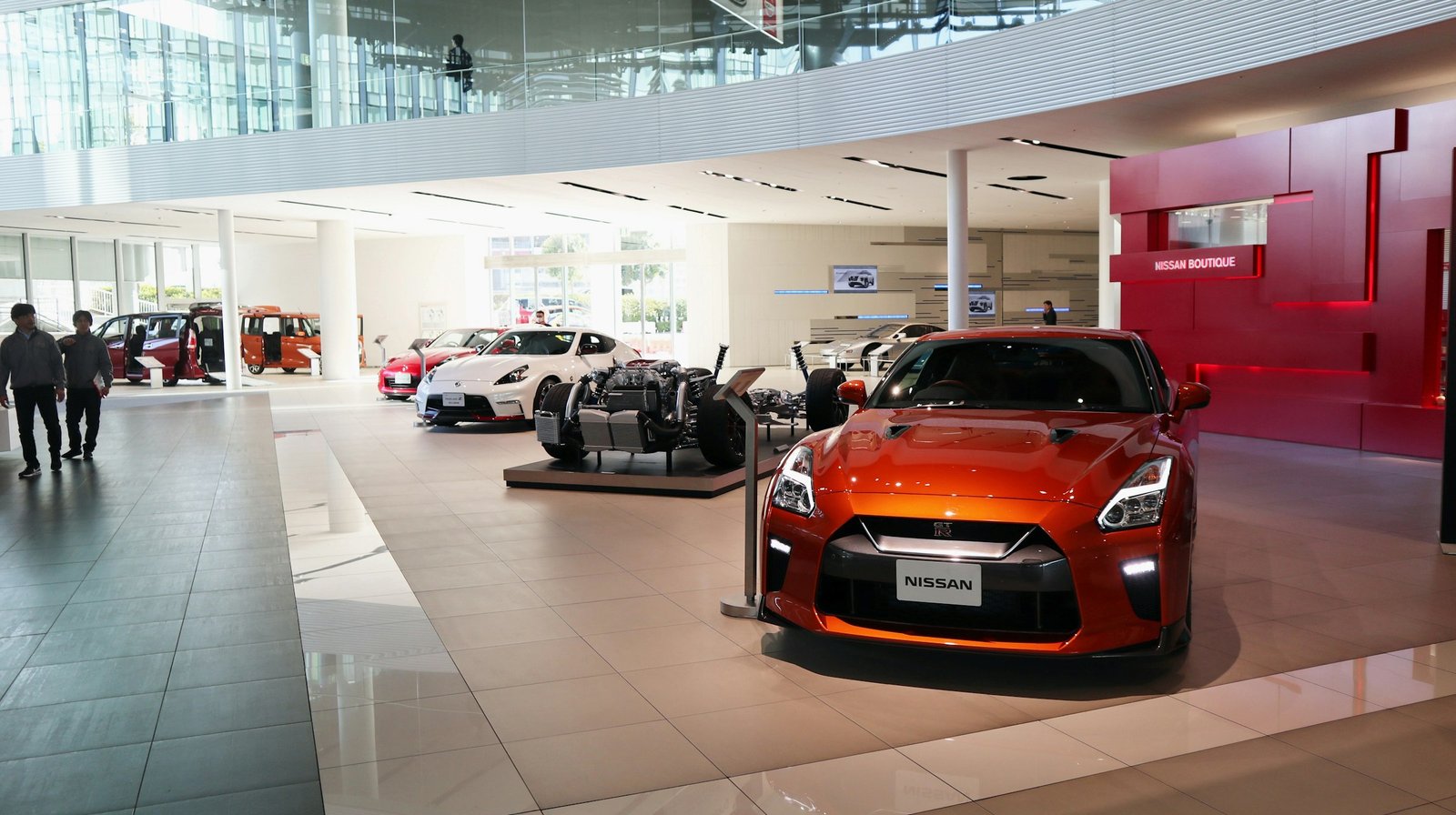
A car detailing business licence UAE authorities issue is a trade licence listing vehicle cleaning, polishing or coating, backed by premises, wastewater, civil defence and labour approvals. The model you choose, whether a fixed studio, a mobile unit or a free zone company, decides which approvals apply and whether you can legally serve customers where their cars are parked.
Key pointThe licence is the easy part. Most detailing businesses that get fined hold a valid licence but wash in public places, store chemicals without clearance or sell services their activity list does not cover.
At a glance
Mainland usually fits best
Detailing is a local service to cars on the mainland, so a mainland licence avoids the extra permit a free zone entity needs to operate outside its zone.
Full foreign ownership
Vehicle cleaning is not a strategic-impact activity, so mainland detailing companies can generally be 100% foreign-owned after the 2021 company law reforms.
Premises drive approvals
Studios usually need industrial or designated zoning, a registered lease, civil defence clearance and municipal approval for drainage and trade wastewater handling.
Mobile work has limits
Washing in streets, public car parks or communal areas is generally prohibited; mobile operators need landowner permission and must control runoff and chemicals.
Activities must match services
Washing, polishing, coating, protective film and tinting can be separate licence activities, and selling an unlisted service exposes the business to penalties.
Swipe or scroll →
The short answer: what a car detailing business licence UAE founders need
A car detailing business licence UAE authorities will issue is, in practice, a trade licence that lists vehicle cleaning, polishing, coating or similar activities, plus the site-level approvals that follow from how and where you work. A fixed studio needs suitable premises, a registered lease, civil defence clearance and an acceptable way of handling wastewater. A mobile service needs a licence that covers working at the customer's location and a plan for water, runoff and chemicals that keeps it on the right side of municipal rules.
The licence itself is rarely the hard part. What decides whether a detailing business can trade without fines is the operating model behind it: whether the activity on the licence matches the services sold, whether the workshop sits in a zone where vehicle work is allowed, and whether washing happens anywhere the municipality treats as a public place.
This guide, current as of October 2026, explains the licensing choices for fixed and mobile detailing, the approvals that sit behind the licence, staffing and visas, the contracts customers will rely on and the mistakes that most often cost new operators money. For the wider corporate picture, see our guide to setting up a company on the Dubai mainland.

The legal framework behind a car detailing licence
There is no single federal "detailing law". Instead, a car detailing business licence UAE regulators recognise sits on four layers of rules, and each layer is enforced by a different body.
Company law and foreign ownership
Mainland companies are governed by the Commercial Companies Law, Federal Decree-Law No. 32 of 2021, as amended (most recently by Federal Decree-Law No. 20 of 2025, in force since late 2025). Since the 2021 reforms, most commercial and service activities can be 100% foreign-owned on the mainland; only activities with a strategic impact are restricted, and vehicle cleaning is not among them. Our note on 100% foreign ownership in the UAE explains how the positive and restricted lists work.
Licensing authorities
In Dubai, mainland trade licences are issued through the Department of Economy and Tourism (DET) and the Invest in Dubai platform. Each other emirate has its own economic department, and each free zone has its own licensing authority with its own activity list. The activity description on the licence matters: "car washing", "car polishing", "vehicle detailing" and "window tinting" may be separate entries, and some carry their own conditions.
Municipal and environmental rules
Municipalities regulate public health, waste and the use of public spaces. Washing vehicles in streets, car parks and other public areas is generally prohibited outside designated facilities, and the media regularly report on-the-spot fines for unauthorised car washers. Businesses that generate trade wastewater, such as washing bays, fall under the municipality's trade waste rules, which include record-keeping and the use of approved tanker services where effluent is not discharged to an approved connection. In Dubai, the Dubai Municipality is the authority to consult on drainage, trade waste and hazardous materials.
Safety, traffic and consumer protection
Civil defence authorities issue fire safety clearance for premises that store flammable products such as solvents and coating chemicals. Traffic rules, enforced in Dubai by the Roads and Transport Authority and the police, govern vehicle modifications such as window tint, which must stay within the permitted limits. Consumer protection rules under Federal Law No. 15 of 2020 apply to how services are priced, described and guaranteed.
Fixed studio, mobile unit or free zone: choosing the model
The operating model drives every other decision. The table compares the three common structures for a car detailing business licence UAE founders consider.
| Model | Licence route | Key approvals | Main constraints |
|---|---|---|---|
| Fixed studio or workshop | Mainland trade licence from the emirate's economic department | Registered lease (Ejari in Dubai), civil defence clearance, municipal approval for drainage and trade waste | Premises must be in a zone where vehicle servicing is permitted, usually industrial or designated commercial areas |
| Mobile detailing (van or on-site) | Mainland licence covering on-site vehicle cleaning; some authorities attach specific conditions to mobile activities | Vehicle registration and insurance for the service van; permission from the landowner or facility manager where work is done | No washing in public places; runoff and chemical handling must be controlled; a base or office is still usually required |
| Free zone company | Licence from the free zone authority listing the activity | Free zone facility lease; zone-specific approvals | Servicing cars on the mainland needs a mainland licence or a DET permit for free zone entities |
Why the free zone route rarely fits on its own
A detailing business is a local service delivered to cars on the mainland. A free zone licence may list vehicle cleaning, but it generally authorises activity within the zone. In Dubai, Executive Council Resolution No. 11 of 2025 now lets free zone entities apply to DET for a branch licence or temporary permit to operate on the mainland, after approval from their free zone authority. That adds cost and compliance. For most detailing operators, a mainland licence is the simpler starting point; our comparison of mainland and free zone companies sets out the wider trade-offs.
Premium services change the activity list
Ceramic coating, paint protection film and tinting are attractive because margins are higher. They also involve chemicals, heat guns and modifications that regulators treat differently from washing. List every service you intend to sell when you choose activities, rather than adding them after customers start asking.
Licensing process step by step
The sequence below reflects how a mainland car detailing business licence UAE application typically runs in Dubai; other emirates follow a similar pattern under their own portals.
- Define the services and the model. Decide between fixed, mobile or hybrid, and list every service: washing, polishing, interior cleaning, ceramic coating, protective film, tinting, odour treatment.
- Select the activities and legal form. Match each service to an activity on the authority's activity list and choose a legal form, commonly a limited liability company or sole establishment. Check whether any activity carries extra conditions.
- Reserve the trade name and obtain initial approval. File through the licensing portal. A trade name is not a trade mark; see our article on why trade name registration differs from trade mark protection.
- Secure premises. For a studio, find a unit in a zone where vehicle work is allowed and confirm drainage, ventilation and power. For mobile work, secure an office or base and a parking or storage location for vans and products.
- Sign the constitutional documents. Execute the memorandum of association for an LLC and register the lease.
- Obtain external approvals. Apply for civil defence clearance and municipal approvals for drainage, trade waste and storage of chemicals, as the activity and premises require.
- Issue the licence and complete post-licensing steps. Register the establishment with immigration and labour authorities, apply for visas and work permits, register for corporate tax and, when the threshold is met, VAT, and record beneficial owners.
Timelines depend mostly on the premises and approvals. A licence for a straightforward activity can be issued quickly once the lease is registered; the slower part is fitting out a workshop and passing inspections. Budget for the licence fee, the lease, fit-out, equipment, insurance, visas and a working capital buffer. Our guide to company setup costs in Dubai breaks down the components.
Premises, water and chemicals
Premises are where most detailing businesses run into trouble with inspectors, and they shape the conditions attached to a car detailing business licence UAE authorities issue. Three issues matter.
Location
Vehicle servicing is usually confined to industrial areas or zones designated for vehicle-related activity. A unit in a retail mall or an office tower will rarely be approved for washing or coating work, even if the landlord is willing. Check zoning with the licensing authority before signing a lease, not after.
Water and wastewater
Washing bays produce water contaminated with detergents, oils and road residues. Municipal rules require that this water is discharged only through approved connections or removed by approved tanker services, and that the business keeps records of quantities and disposal. Closed-loop recycling systems reduce consumption and disposal costs and are increasingly expected by landlords and inspectors. Mobile operators often use low-water or rinseless products to avoid runoff altogether; that is a practical choice, not a legal exemption.
Chemicals and fire safety
Coating products, solvents and some cleaning agents are flammable or hazardous. Store them in line with the supplier's safety data sheets, in approved quantities, with ventilation and firefighting equipment that civil defence will inspect. Mobile vans carrying chemicals should be fitted out with secure storage and spill kits.
Before signing any lease for a detailing studio, ask the landlord for written confirmation that the unit can obtain civil defence clearance and municipal drainage approval for vehicle washing. Make the lease conditional on those approvals, with a right to terminate and recover the deposit if they are refused.
Staffing, visas and labour compliance
Detailing is labour-intensive, and a car detailing business licence UAE regulators grant does not by itself let you hire. Every worker needs a valid residence visa and work permit sponsored by the business or a lawful alternative. Mainland employers apply through the Ministry of Human Resources and Emiratisation (MOHRE) for work permits and through the immigration authority for residence; free zone companies use their zone's visa services. Visa allocation is usually linked to the size of the registered premises, so a small office base can limit headcount.
Employment contracts must follow Federal Decree-Law No. 33 of 2021 on employment relations. Pay attention to working hours and outdoor work: the annual midday break for outdoor work in summer applies to staff washing cars in open car parks. Commission-based pay is common in the industry and must still respect the wage protection system and contractual basic pay. Our pages on employment permits and work authorisations and wages and payroll cover the detail.
Payroll, bookkeeping, VAT returns and corporate tax filings are typically delivered with our group company A&A Consultancy, which handles accounting, audit support and tax filing; TRW & Co covers the legal and regulatory side, from licensing to contracts and disputes.
Customer terms, warranties and liability
Detailing work is done on high-value assets. A clear set of customer terms protects the business when a customer alleges damage or a coating fails.
- Vehicle condition report. Record existing scratches, chips and interior wear with time-stamped photographs at check-in, signed by the customer.
- Service description. Describe each package precisely: number of paint correction stages, coating product and layers, film coverage and expected curing time.
- Warranty terms. Coating and film warranties should state what is covered, the maintenance the customer must follow and how claims are made. Consumer protection rules require warranty and after-sales commitments to be honoured as advertised.
- Liability and insurance. Carry garage liability or similar cover for vehicles in your custody. Limitation clauses help in business contracts but are read narrowly against consumers.
- Keys and valet movement. If staff drive customer cars, check licensing and insurance cover for those movements.
Fleet contracts with car rental firms, dealerships or leasing companies are a different exercise: service levels, pricing reviews, payment terms and termination rights should be negotiated, not assumed. Our pages on commercial terms and conditions and consumer protection explain the rules.
An illustrative scenario
This scenario is illustrative only; the parties are generic.
Two partners plan a premium detailing brand in Dubai: a workshop for ceramic coating and protective film, plus two vans serving residential towers. They first consider a low-cost free zone package. On review, they find that the free zone licence would not on its own authorise work on cars parked in mainland residential buildings, and that adding a mainland permit would remove the cost advantage.
They form a mainland LLC with activities for vehicle cleaning, polishing and coating, lease a unit in an industrial area after confirming that drainage and civil defence approvals are achievable, and agree with the facility managers of target buildings where vans may operate and how water is handled. Their customer terms include a photo condition report and a coating warranty tied to maintenance visits. A fleet agreement with a rental company follows, with a service-level schedule and a monthly invoicing cycle.
Risks and common mistakes
Washing in public places with a mobile unit
The most common enforcement problem for mobile operators is washing in streets, open car parks or communal areas. Municipalities treat this as a public health and environmental offence regardless of the licence held. Fines fall on the operator and, in some emirates, also on the customer who hires an unauthorised washer. Work only on private property with the owner's or facility manager's permission, contain runoff, and keep written permissions on file for inspectors.
Activity list that does not match the services sold
Selling tinting, film or coating under a licence that lists only washing invites penalties during inspections and can complicate insurance claims. It can also cause problems with suppliers who require a matching activity before appointing an installer. Review the activity list whenever you add a service, and amend the licence before launching it. Amendments are usually straightforward if done before the service starts.
Signing a lease before confirming approvals
Founders often commit to a unit because the rent is attractive, then discover that civil defence or the municipality will not approve washing or chemical storage there. Lease deposits, fit-out spend and months of rent can be lost. Use conditional heads of terms, and check zoning and approvals first. Our page on commercial leasing explains the negotiating points.
Informal labour and visa arrangements
Using workers on another company's visa, or on visit visas, exposes the business to fines and blocks on new permits. It also leaves the business uninsured if a worker is injured or damages a vehicle. Sponsor staff properly, keep contracts in order and pay through the wage protection system.
Ignoring tax registration thresholds
A busy studio can cross the VAT registration threshold faster than expected, especially with high-value coating packages. Corporate tax registration is required regardless of profit. Monitor turnover monthly and register on time to avoid penalties.
Checklist: what to do next
Before applying for a car detailing business licence UAE regulators will approve, work through this list:
- Decide fixed, mobile or hybrid, and list every service you will sell.
- Match each service to an activity and confirm any conditions with the licensing authority.
- Confirm the location is zoned for vehicle work and that drainage and civil defence approvals are achievable.
- Plan wastewater, chemical storage and runoff control in writing.
- Choose the legal form and prepare shareholder documents.
- Draft customer terms, warranty wording and fleet contract templates.
- Plan visas, work permits and payroll from the start.
- Set up bookkeeping and tax registrations, and protect the brand with a trade mark.
TRW & Co advises founders on licensing strategy, corporate structure, leases, customer and fleet contracts, and regulatory issues. To discuss your car detailing business licence UAE plans, contact our Dubai team.
Frequently asked questions
01Can I run a mobile car detailing business in Dubai?
Yes, if the trade licence covers on-site vehicle cleaning and you operate within municipal rules. The practical constraint is where you work: washing in streets, public car parks and communal areas is generally prohibited outside designated facilities. Mobile operators typically work in private car parks or building basements with the facility manager's written permission, use low-water methods and contain runoff. You will still need an office or base for the licence, registered vans with suitable insurance and proper storage for chemicals. Check any activity-specific conditions with the licensing authority before launch.
02Do I need a local sponsor for a car detailing company?
Generally no. Since the 2021 reforms to the Commercial Companies Law, most commercial and service activities on the mainland can be wholly foreign-owned, and vehicle cleaning is not among the strategic-impact activities that remain restricted. You can form a limited liability company with foreign shareholders. Some legal forms, such as certain professional or civil establishments owned by non-GCC nationals, may still require a local service agent, so confirm the requirement for your chosen form with the licensing authority when you apply.
03Is a free zone licence enough for car detailing?
Usually not on its own. A free zone licence generally authorises activity within the zone, while detailing customers are mostly on the mainland. In Dubai, Executive Council Resolution No. 11 of 2025 allows free zone entities to apply to the Department of Economy and Tourism for a branch licence or temporary permit to operate on the mainland, with prior approval from the free zone authority. That adds fees, separate accounts and audits. For a business serving local car owners, a mainland licence is normally simpler.
04What approvals does a detailing workshop need besides the trade licence?
A fixed workshop usually needs a registered lease, civil defence clearance for the premises and the storage of flammable products, and municipal approval for how wastewater is discharged or removed. Depending on the emirate and the site, the municipality may also inspect hygiene, ventilation and waste records. If you sell tinting or film, check that the work complies with traffic rules on permitted modifications. Each approval depends on the specific unit, which is why approvals should be confirmed before signing a lease.
05How much does it cost to start a car detailing business in the UAE?
Costs depend on the emirate, the legal form, the premises and the services. The main components are government licence and registration fees, the lease and any fit-out, equipment such as pressure washers, polishers and lighting, products, vehicle costs for mobile units, insurance, visas for staff and working capital. Fixed studios cost more to open because of fit-out and approvals; mobile services are cheaper to launch but face tighter operating limits. Obtain current fee quotes from the licensing authority and landlord before finalising a budget.
06Do I need to register for VAT and corporate tax?
Every UAE company must register for corporate tax, regardless of profit. VAT registration becomes mandatory once taxable supplies exceed the registration threshold over the relevant period, and voluntary registration is possible below it. Detailing businesses selling high-value coating and film packages can reach the threshold quickly. Small business relief may reduce corporate tax for eligible businesses with revenue under the relief threshold for tax periods ending on or before 31 December 2029. Keep proper books from day one so filings are straightforward.
Sources and official materials
- Dubai Municipality — Public health, trade waste, drainage and hazardous materials rules in Dubai
- Roads and Transport Authority (RTA), Dubai — Traffic, vehicle and parking rules relevant to mobile operations and modifications
- Dubai Media Office: Dubai Economy clarifies full ownership procedures (June 2021) — 100% foreign ownership of mainland commercial and industrial activities
- Executive Council Resolution No. (11) of 2025 (Dubai Legislation Portal) — Free zone establishments operating on the Dubai mainland
- Federal Tax Authority — Corporate tax and VAT registration
General information only, current as at 27 October 2026. It is not legal advice and does not create a lawyer–client relationship. UAE law differs between the onshore jurisdiction, the DIFC, ADGM and the free zones, and changes frequently; check current official sources and take advice on the facts of your matter.



