
TRW & Co · Real estate and hospitality
Hotel and Branded Residence Projects in the UAE
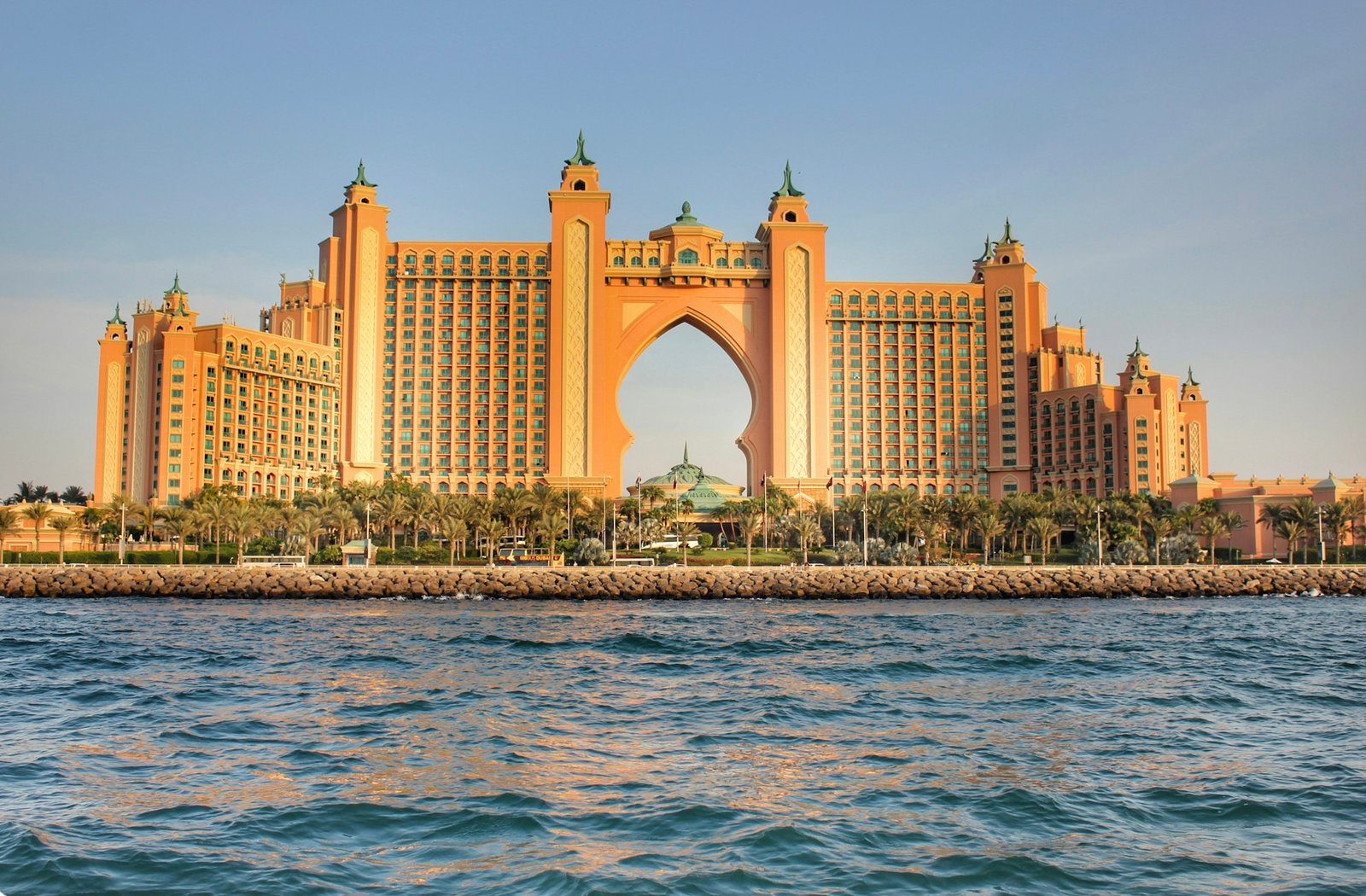
Branded residences UAE developers launch combine a strata sale of units, a brand licence and a building management regime the regulator controls; hotels add a hotel management agreement. Here is how hotel and branded residence projects are structured in 2026, the Dubai and Abu Dhabi rules that shape them and the agreements to get right.
Key pointIn branded residences, the service charge budget is the brand: if brand services are not built into a budget the regulator will approve, owners cannot be made to fund them and the brand may withdraw.
At a glance
Owner and operator split
Hotels are usually held by an owner company and run by an operator under a hotel management agreement, or by the owner under a franchise.
Residences are strata units
Branded residence buyers own a unit and a share of common parts, so jointly owned property law decides management and service charges.
Dubai hotel projects
Law No. 6 of 2019 requires hotel project common parts to be run by a hotel project management company, with RERA-approved building management regulations.
Escrow and disclosure
Off-plan buyers pay into project escrow accounts, and developers must disclose management arrangements and estimated charges before sale.
Tourism licensing
Hotels, hotel apartments and holiday homes in Dubai need Department of Economy and Tourism licences; rental programmes need a licensed operator.
Swipe or scroll →
Branded residences UAE developers launch combine three legal layers: a sale of individual units under strata law, a brand licence or management agreement with a hotel operator, and a building management regime that the regulator, not the brand, ultimately controls. Hotels add a fourth layer, the hotel management agreement. Getting these layers to fit is what separates a project that keeps its brand from one that loses it.
This article explains how hotel and branded residence projects are structured in 2026, the rules that shape them in Dubai and Abu Dhabi, the agreements that matter and the mistakes that cause disputes. For our wider sector work, see hospitality and leisure in the UAE.
The short answer
- Hotels are usually held in an owner company and run by an operator. The owner keeps the asset and the risk; the operator runs the hotel under a hotel management agreement (HMA) or the owner runs it under a franchise.
- Branded residences UAE buyers acquire are strata units. Each buyer owns a unit and a share of the common parts, and jointly owned property law decides who manages the building and how service charges are set.
- The regulator has the last word on charges. In Dubai, RERA approves service charges and the manager; in Abu Dhabi, unapproved fees are unenforceable. Brand fees that are not approved may be hard to recover from owners.
- Off-plan rules apply. Buyers' payments go into project escrow accounts, and developers must disclose management arrangements and estimated charges.
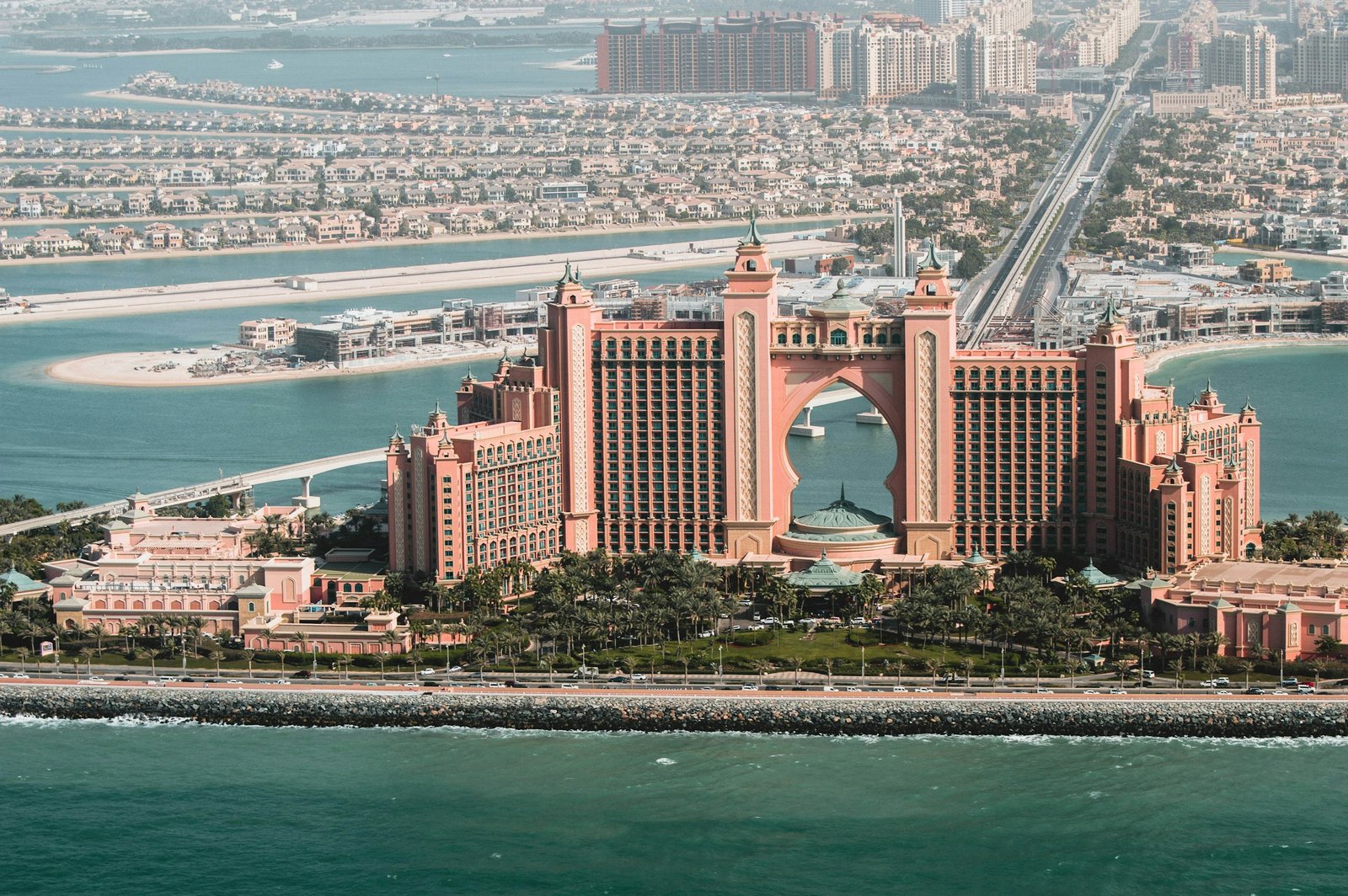
Common structures for hotels and branded residences
| Structure | How it works | Key agreements | Main risk |
|---|---|---|---|
| Owner-operator split (propco and opco) | An owner company holds the hotel; an operator manages it for fees | HMA, technical services agreement, brand standards | Owner bears trading risk; termination is hard |
| Franchise | Owner or a third-party manager runs the hotel under a brand licence | Franchise agreement, management agreement with a white-label operator | Brand standards and audits without operator control |
| Branded residences (for sale) | Units sold to buyers; brand provides name and services | Brand licence, residences services agreement, building management regulations | Service charges may not fund brand standards |
| Serviced or hotel-managed residences | Units sold but run within a hotel operation; owners may join a rental pool | Rental pool or unit management agreement, HMA | Licensing of hotel-like services; owner use restrictions |
| Condo hotel | Individual hotel keys sold to investors who share revenue | Unit purchase, rental programme, HMA | Investor expectations versus hotel performance |
Where freehold land is not available, developers often take long-term rights instead. Our article on musataha and usufruct rights in the UAE explains how those rights work and why registration now matters more than ever.
The legal framework
Dubai: strata law and hotel projects
Dubai Law No. 6 of 2019 on Jointly Owned Real Property has specific provisions for hotel projects. The common parts of a hotel project must be managed by a hotel project management company. An owners' committee may be formed at that company's request but cannot take part in managing the hotel. The developer must issue building management regulations, approved by RERA, before any unit is sold, and RERA can appoint a replacement where an operator is shown to be incompetent.
For branded residences UAE practice in Dubai is shaped by the absence of a homeowners' association with its own legal personality. RERA-approved building managers act for the collective owners, and RERA approves service charge budgets. A brand that wants its services funded through service charges must therefore fit them into an approved budget.
Off-plan sales and escrow
Off-plan units in Dubai are sold under Law No. 8 of 2007 on escrow accounts for real estate development. Buyers pay into a project escrow account and brokers may only market registered projects. Developers must also disclose management arrangements; inadequate disclosure can give buyers grounds to challenge an off-plan sale. See our guide to off-plan property in Dubai.
Tourism licensing
Hotels, hotel apartments and holiday homes in Dubai are licensed by the Department of Economy and Tourism, which publishes its hospitality permits and classification requirements. A developer or building manager that wants to offer hotel-like services in a residential building may not hold the right licence, so licensed third-party operators often step in. In Abu Dhabi, hotels and tourist accommodation are licensed by the Department of Culture and Tourism.
Abu Dhabi: the 2025 jointly owned property rules
Abu Dhabi's Administrative Decisions Nos. 25 and 26 of 2025, issued by the Department of Municipalities and Transport, require accredited management companies, approval of budgets and service fees, and a disclosure statement before sale. Supply agreements affecting service fees need approval and are limited in length. Long-term brand services contracts in Abu Dhabi projects should be structured with those limits in mind.
The new Civil Transactions Law
Since 1 June 2026 the new Civil Transactions Law has applied to new contracts. Its good faith duties in negotiation, disclosure rules and scrutiny of standard form contracts are relevant to sales and purchase agreements and residence services agreements, which are often presented to buyers on standard terms.
Hotel management agreements: the terms that matter
An HMA is a long-term relationship, and the balance of power is set at signature. Owners and lenders focus on these points:
- Term and renewal. Initial terms are long, often with operator renewal options. Owners should control renewals or tie them to performance.
- Fees. Base fees on revenue and incentive fees on profit, plus system and marketing charges. Define the fee base carefully and cap pass-through costs.
- Performance test. A right to terminate if the hotel underperforms a competitive set and budget, subject to operator cure rights.
- Owner approvals. Budgets, key staff, capital expenditure and related-party contracts.
- Termination on sale. Whether the owner can sell free of the HMA, and on what terms.
- Lender protections. Non-disturbance and subordination terms that let the hotel be financed. Our page on real estate finance in the UAE covers this.
Residence services agreements are shorter and more constrained. In Dubai the building manager must be RERA-approved, and in several emirates long-term supply and services contracts are limited unless an exemption applies, so the brand's role usually sits alongside, not above, the regulated manager.
Bringing a branded residence project to market
- Secure the land right. Freehold, musataha or long lease, registered with the land department, with permitted use covering hotel and residential components.
- Agree the brand terms. Sign the brand licence and, for hotels, the HMA or franchise, with clear allocation of design approvals, standards and fees.
- Design the strata structure. Separate the hotel, residences and shared facilities, and allocate costs between them in the building management regulations.
- Register the project and escrow. Register the off-plan project and open the escrow account before marketing.
- Prepare disclosure. Give buyers a clear account of the brand services, estimated service charges and how the manager will be appointed.
- Obtain approvals for charges. Build brand services into a budget that the regulator can approve, and plan for what happens if it does not.
- Hand over and operate. Appoint the manager, transfer to the owners' structure and monitor brand compliance against the approved budget.
What buyers of branded residences UAE projects should check
Buyers often focus on the brand name and the view. The documents tell a more useful story, and most of them are available before signing. Pricing for branded residences UAE developers sell is often marketed at a premium to comparable unbranded units, so it is worth confirming exactly what that premium buys, for how long, and what happens to it if the brand relationship changes after handover. A short legal review of the purchase pack before paying the reservation deposit is usually far cheaper than unwinding a purchase later.
The sale and purchase agreement
Check what the developer promises about the brand. Can the developer change the brand, the operator or the specification? What happens if the brand agreement ends before completion? Are completion delays subject to a long grace period, and what remedies does the buyer have? Under the new Civil Transactions Law, standard terms are read against the drafter, but clear wording still wins.
The services agreement and charges
Ask for the residences services agreement, the estimated service charge and what it covers. Distinguish services included in the service charge from optional services billed separately. Ask whether the estimate has been submitted for regulator approval and how brand fees, if any, are recovered.
Use, letting and resale
Read the building management regulations for restrictions on letting, renovation and use of shared facilities. If you plan to let the unit, check whether short stays are permitted and through which licensed operator. On resale, check whether the brand or developer has any approval or fee rights and how they are disclosed to the next buyer.
Buying or financing an operating hotel
Secondary hotel deals are often done as share acquisitions, because buying the owning company keeps the trade licence, tourism licences and employment arrangements in place. That does not always avoid land department fees, which in most emirates can be triggered by indirect changes of ownership. Buyers should review the HMA for change-of-control and termination-on-sale rights, the operator's consent requirements, the condition of the asset against brand standards and any outstanding capital expenditure commitments. Lenders will want a direct agreement or non-disturbance arrangement with the operator before funding.
An illustrative scenario
Illustrative only; the parties are generic. A developer launches a tower with a branded hotel on the lower floors and branded residences above. The brand licence requires a set of concierge and amenity services in the residences. After handover, the regulator approves a service charge budget that covers basic services but not the full brand standard.
The brand says the standard is not being met and threatens to withdraw its name. Owners refuse to pay more, and the developer's fund wants to exit. The solution is negotiated: some services move to an optional, pay-per-use model run by the hotel, the brand accepts a reduced standard for the residences, and the developer funds a transitional gap. Had the brand requirements been reconciled with a realistic, approvable budget before launch, and disclosed to buyers, the dispute would not have arisen. For branded residences UAE projects, the budget is the brand.
Risks and common mistakes
Promising brand services that the budget cannot fund
Marketing often describes services that the approved service charge will not cover. Owners cannot be compelled to pay unapproved charges, and the brand may have a right to withdraw if standards fall. Before launch, test the brand standard against a realistic budget and agree in the licence what happens if approval is limited, including fallback service levels and who funds any gap.
Developer liability that outlasts the project
Operators often ask developers to guarantee service charge shortfalls or brand standards. Developers with a planned exit, including fund developers with fixed terms, may be left with obligations they cannot meet. Limit guarantees in time and amount, and provide for novation to the owners' structure or a successor.
Mixing hotel and residential costs
Where a hotel and residences share lobbies, pools or plant, cost allocation drives disputes. Owners will challenge charges that subsidise the hotel. Set out shared facilities and cost-sharing formulas in the building management regulations at the outset, and make sure the regulator approves them.
Rental programmes without the right licence
Offering short-stay letting of residences requires the appropriate tourism licence, and owners in a rental pool need clear terms on revenue sharing, owner use and exit. Without a licensed operator, the programme may breach tourism rules. Confirm licensing before marketing rental returns, and avoid any statement that could be read as a guaranteed yield unless it is genuinely backed.
Cross-border points
Brand owners are usually foreign groups licensing trade marks and systems into the UAE, so the brand licence should address UAE trade mark registration, quality control and termination consequences. Our page on real estate development in the UAE covers development structuring. Many buyers of branded residences UAE projects sell abroad live overseas and buy through companies or with financing at home; their purchase documents, powers of attorney and source-of-funds checks need to work in both systems. A property purchase of at least AED 2 million can support a Golden Visa application, subject to the current conditions. Tax structuring is coordinated with registered tax agents.
Reconcile three documents before launch: the brand licence, the building management regulations and the first service charge budget. If they do not tell the same story, the gap will surface as a dispute between owners, developer and brand within the first years of operation.
Checklist for developers, owners and investors
- Confirm the land right and permitted uses for hotel and residential components.
- Align the HMA, brand licence and residences services agreement.
- Draft building management regulations that separate hotel, residential and shared costs.
- Test brand standards against an approvable service charge budget.
- Register the project and escrow before any marketing.
- Prepare buyer disclosure on brand services, charges and management.
- Confirm tourism licences for any rental programme.
- Plan the developer's exit and limit guarantees.
Branded residences UAE investors buy are only as strong as the documents behind them. For our wider work on jointly owned property and building management, or to review a hotel or branded residence project, contact TRW & Co at info@trw.co or +971 58 942 1012.
Frequently asked questions
01What is a branded residence in the UAE?
A branded residence is a home sold under the name of a hotel or lifestyle brand, usually with brand-standard design and services. Legally, the buyer acquires a strata unit and a share of the common parts, while the brand’s role is set by a licence and a services agreement. The building is still governed by the emirate’s jointly owned property law, which controls management and service charges.
02Who approves service charges in a branded residence in Dubai?
RERA, part of the Dubai Land Department, approves service charge budgets under Law No. 6 of 2019. The brand cannot set charges unilaterally. If brand services are not included in an approved budget, owners may not be compelled to pay for them. Developers should test brand requirements against a realistic, approvable budget before launch and disclose the position to buyers.
03What is a hotel management agreement?
A hotel management agreement is a long-term contract under which an operator runs a hotel on behalf of the owner in return for fees, typically a base fee on revenue and an incentive fee on profit. Key terms include the length of the term, performance tests, owner approval rights over budgets and staff, termination on sale and protections for lenders. The owner keeps the asset and the trading risk.
04Can I rent out my branded residence as a holiday let?
Only within the licensing rules and the building’s regulations. In Dubai, short-stay letting is licensed by the Department of Economy and Tourism, and many branded projects run rental programmes through a licensed operator. Check the building management regulations, any rental pool terms on revenue sharing and owner use, and whether the operator holds the necessary licence before relying on rental income.
05Does buying a branded residence qualify for a Golden Visa?
A property purchase can support a Golden Visa application where the investment meets the minimum of AED 2 million and the other current conditions, including those on off-plan and mortgaged property. Branded residences are treated like other residential property for this purpose. Check the current requirements with the immigration authorities before relying on the purchase for residency.
06What happens if the brand withdraws from a residence project?
It depends on the brand licence. Withdrawal is usually triggered by failure to meet brand standards, non-payment of fees or the end of the agreement. Owners keep their units, but the name, services and possibly some value can be lost. Developers and owners should negotiate cure periods, fallback service levels and a clear process for de-branding before signing.
Sources and official materials
- Dubai Law No. 6 of 2019 on Jointly Owned Real Property — Hotel projects, building management regulations and service charges
- Dubai Law No. 8 of 2007 on Escrow Accounts — Off-plan sales and project escrow in Dubai
- Dubai Department of Economy and Tourism: Hospitality permits — Hotel, holiday home and timeshare permits
- Dubai Land Department — RERA and property registration
- Abu Dhabi Department of Municipalities and Transport — Abu Dhabi jointly owned property decisions
General information only, current as at 27 October 2026. It is not legal advice and does not create a lawyer–client relationship. UAE law differs between the onshore jurisdiction, the DIFC, ADGM and the free zones, and changes frequently; check current official sources and take advice on the facts of your matter.



