
TRW & Co · Real estate and construction
Musataha and Usufruct Rights in the UAE
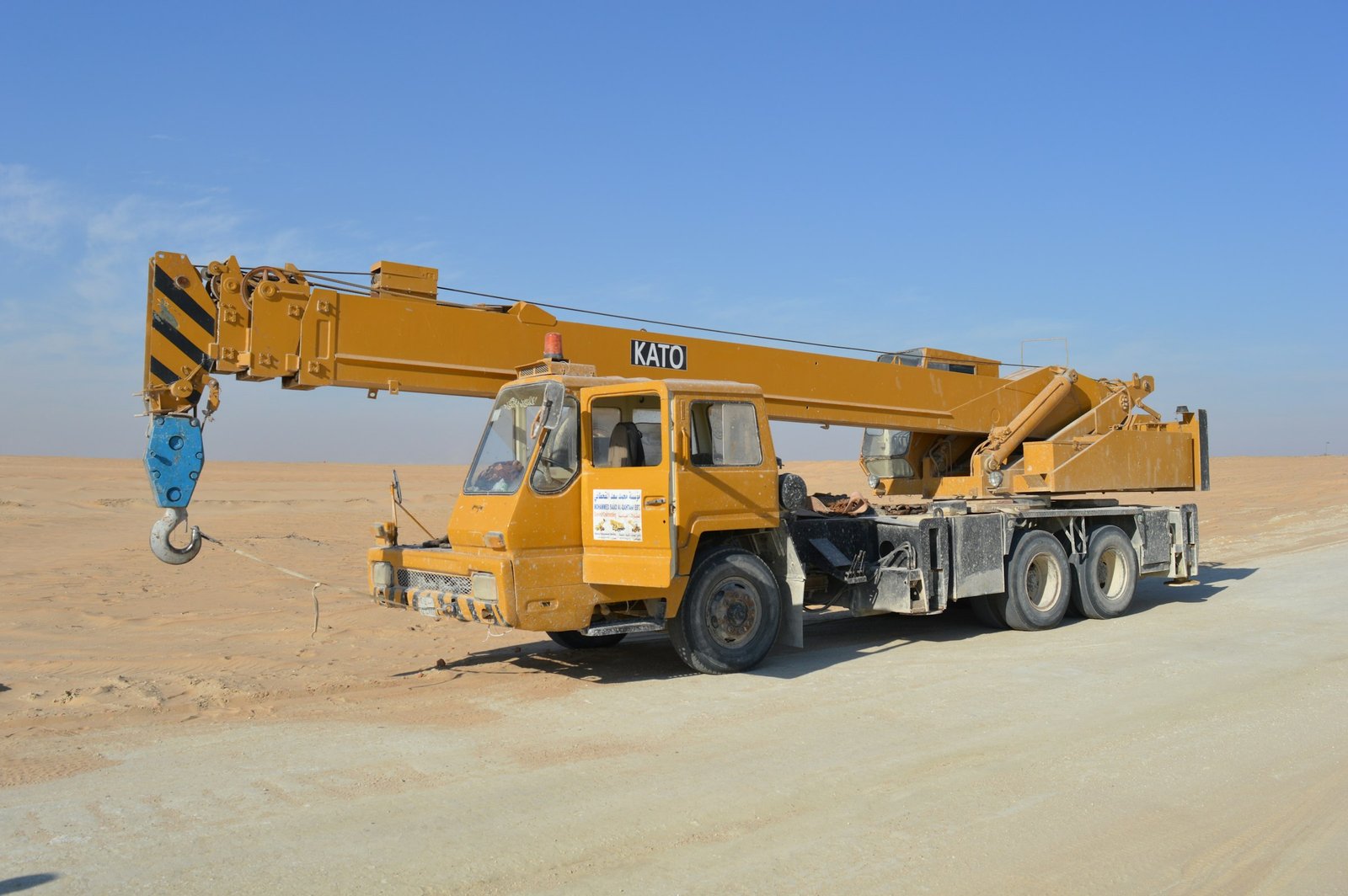
Musataha rights in UAE law let a developer build on and own buildings on someone else’s land for an agreed term, while usufruct gives the right to use property and take its income. Since 1 June 2026, the new Civil Transactions Law makes registration a condition of a valid musataha. Here is how both rights work and how to protect them.
Key pointUnder the new Civil Transactions Law an unregistered musataha is void, and an open-ended one can be ended on six months’ notice, so registration and a fixed term now decide whether a long-term land right is worth anything.
At a glance
Right to build
Musataha lets the holder build on another’s land and own the buildings for the term, with buildings passing to the landowner on agreed terms at the end.
Registration for validity
Under Federal Decree-Law No. 25 of 2025, in force from 1 June 2026, a musataha must be created by a registered contract; unregistered ones are void.
Old 50-year cap
The 1985 Civil Code capped musataha at 50 years; commentators report the new law drops that fixed ceiling, subject to emirate rules.
Six-month triggers
Non-payment for six months, unless a longer period is agreed, allows termination, and open-ended musataha can be ended on six months’ notice.
Foreign holders
Dubai allows non-nationals usufruct or leasehold up to 99 years in designated areas; Abu Dhabi allows musataha and usufruct in investment zones.
Swipe or scroll →
Musataha rights in UAE law give a developer or investor the right to build on, and own the buildings on, land that belongs to someone else for an agreed period. Usufruct gives the right to use land or buildings and take their income. Both are real rights registered against the land, and both changed footing on 1 June 2026, when the new Civil Transactions Law came into force and made registration a condition of a valid musataha.
This article explains what musataha and usufruct are, how they are regulated federally and in Dubai and Abu Dhabi, what the 2026 changes mean for existing and new arrangements, and how to structure and protect a long-term land right. For wider development advice, see real estate development in the UAE.
Musataha rights in UAE law: the short answer
- Musataha is a right to build on another's land and to own the buildings for the term. It is widely used for hotels, industrial plants, schools, hospitals and master-planned projects on government or family land.
- Usufruct is a right to use property and take its fruits, such as rent, without owning it. It is common for completed buildings and for long-term investment arrangements.
- Registration is now essential. Under the new Civil Transactions Law, a musataha must be created by a registered contract, and an unregistered one is void. Emirate registration laws already required real rights to be recorded.
- Foreign access depends on the emirate. Dubai and Abu Dhabi allow foreigners to hold long-term rights in designated areas, and Abu Dhabi expressly lists musataha and usufruct among the rights available in its investment zones.

What musataha and usufruct are
Musataha
Musataha, sometimes translated as a right of superficies, separates ownership of buildings from ownership of land. The landowner keeps the land; the holder builds and owns what it constructs for the term, can usually sell or mortgage its right, and pays the landowner an agreed consideration. At the end, the buildings pass to the landowner on the terms the contract and the law provide. Musataha rights in UAE practice are the standard tool for long-term development on land that the owner will not sell.
Usufruct
Usufruct gives the holder the right to use an existing property and take its income for a term. It differs from a lease in that it is a real right registered against the property rather than a purely contractual relationship. In the civil law tradition, usufruct is personal to the holder and ends with the term or the holder's death unless the law or the registered terms provide otherwise, so a corporate holder or a carefully drafted term is usually preferred.
Long leases
Long leases are a third option. Dubai registration law treats leases of more than a set length as registrable rights, and many leasehold areas operate on long-term leases. Leases are simpler but give the tenant fewer proprietary rights than musataha, particularly over buildings the tenant constructs. Lenders also tend to be more comfortable taking security over a registered real right than over a contractual lease interest.
The legal framework in 2026
The new Civil Transactions Law
The Civil Transactions Law, Federal Decree-Law No. 25 of 2025, replaced the 1985 Civil Code on 1 June 2026. Its chapter on rights derived from ownership covers usufruct and musataha. Published commentary highlights several changes for musataha rights in UAE practice:
- Registration for validity. A musataha must be created by a contract registered with the competent authority. An unregistered musataha is void.
- No fixed statutory cap. The 1985 Code capped musataha at 50 years. Commentators report that the new law no longer contains that fixed ceiling, although emirate-level rules and approvals may still limit the term.
- Codified obligations and termination. The holder's obligations are set out more fully. The landowner may terminate for non-payment of the consideration after a default period of six months, unless the parties agree a longer period, and an open-ended musataha can be terminated by either party on six months' notice.
- Clearer treatment of buildings and third parties. The law addresses what happens to buildings and to rights granted to third parties, such as mortgages and leases, when the musataha ends.
Dubai
Dubai Law No. 7 of 2006 on Real Property Registration restricts freehold ownership to UAE and GCC nationals and qualifying companies, except in areas designated by the Ruler, where non-nationals may hold freehold, or usufruct or leasehold for up to 99 years. Transactions that create, transfer or extinguish real property rights are not valid unless recorded in the Real Property Register kept by the Dubai Land Department.
Abu Dhabi
Abu Dhabi's property law, Law No. 19 of 2005 as amended in 2019, allows non-UAE nationals to own freehold, musataha and usufruct rights in designated investment zones. Musataha is commonly described as a renewable right of up to 50 years and usufruct as a right of up to 99 years. Where a musataha or usufruct exceeds ten years, the holder can dispose of or mortgage it without the landowner's consent. The Abu Dhabi Real Estate Centre publishes the current ownership rules.
How the layers interact
The federal Civil Transactions Law sets the general rules, while emirate laws govern registration, foreign ownership and local limits. Where they differ, practitioners look first to the emirate's specific legislation and then to the federal code. Because the new law has no specific transitional provision for existing musataha arrangements, the interaction between the two layers matters most for rights created before June 2026.
Musataha, usufruct and long leases compared
| Feature | Musataha | Usufruct | Long lease |
|---|---|---|---|
| What the holder gets | Right to build and own buildings for the term | Right to use and take income from existing property | Contractual right to occupy and use |
| Typical use | Greenfield hotels, plants, schools, master plans | Completed buildings, investment holdings | Leasehold communities, commercial premises |
| Registration | Required for validity under the new federal law and emirate rules | Registered as a real right | Registrable above a set duration in Dubai |
| Term | Agreed; emirate rules and approvals may limit it | Up to 99 years for non-nationals in Dubai designated areas | Up to 99 years in Dubai designated areas |
| Finance | Can usually be mortgaged | Can be mortgaged in some emirates | Depends on terms and registration |
| End of term | Buildings pass to landowner on agreed terms | Use reverts to owner | Possession reverts to landlord |
Creating and registering a musataha
- Confirm the land and the parties. Check title, existing encumbrances, zoning, and whether the holder is eligible to hold the right in that location.
- Agree the commercial terms. Term, consideration and review mechanism, permitted use, construction milestones and renewal rights.
- Draft the end-of-term regime. Decide whether buildings pass with or without compensation, how valuation works, and how mortgages and leases are dealt with.
- Obtain approvals. Planning, master developer and any government approvals needed for the use and the term.
- Register the contract. Register with the land department before relying on the right. Under the new federal law, an unregistered musataha is void.
- Register security. If financing, register the mortgage over the musataha and agree direct rights for the lender with the landowner.
- Manage the right. Track payment dates, construction obligations and renewal windows, since non-payment can trigger termination.
Drafting musataha rights in UAE contracts: key clauses
The law supplies defaults, but a long-term land right lives or dies on its contract. Beyond the term and the end-of-term regime, these clauses deserve careful attention.
Consideration and review
Set the consideration, payment dates and any periodic review mechanism. A fixed annual amount with indexed reviews is common, but some arrangements share revenue. Because non-payment can trigger termination, build in notice and cure periods, and consider whether a longer default period than the statutory default should be agreed.
Construction and use
Specify what must be built, by when and to what standard, and what happens if milestones slip. Define permitted uses and whether a change of use requires the landowner's consent. Allocate responsibility for permits, maintenance, insurance and regulatory compliance throughout the term.
Transfer, change of control and security
State whether the holder may assign the right, grant sub-rights or leases, and mortgage it, and whether a change of control of the holder counts as a transfer. Lenders will expect the right to be mortgageable and transferable on enforcement, with landowner consent given in advance.
Disputes
Choose a dispute mechanism that suits a relationship lasting decades: expert determination for valuation questions, and arbitration or the courts for the rest. Check whether the chosen forum can bind the land department, and coordinate the clause with the financing documents. Our page on real estate disputes in the UAE covers the options. Well-drafted musataha rights in UAE projects anticipate disputes rather than leaving them to the default rules.
Existing arrangements after June 2026
The new law applies to transactions from 1 June 2026, and its general rule is that it does not apply to earlier facts unless it says so. It does not contain a specific transitional rule for existing musataha. Commentators therefore disagree about unregistered pre-2026 arrangements: a strict view treats them as having no effect as real rights, while a moderate view treats a validly made earlier musataha as voidable rather than void. Courts have not yet settled the point, and the answer may depend on the facts of each arrangement, including how long it has been performed, whether buildings and third-party rights depend on it, and whether the parties acted in good faith throughout.
The practical answer is the same under either view. Holders and landowners should audit their musataha rights in UAE portfolios, register anything unregistered where possible, and agree fixed terms for open-ended arrangements that could otherwise be ended on notice.
An illustrative scenario
Illustrative only; the parties are generic. A family company owns a plot on the edge of a city. An operator wants to build a logistics facility but cannot buy the land. The parties agree a musataha with annual consideration, a construction deadline and a right for the operator to mortgage the right to fund construction.
Before signing, the lender insists on three things: registration of the musataha and the mortgage, a term long enough to repay the loan with headroom, and a direct agreement with the landowner giving the lender notice and cure rights if the operator defaults. The landowner, aware of the six-month non-payment trigger, accepts a longer default period in return for a parent guarantee. The end-of-term clause provides that the buildings pass to the landowner at an agreed valuation. Each of these points is a commercial choice; none can be left to chance once the facility is built.
Risks and common mistakes
Relying on an unregistered musataha
Under the new Civil Transactions Law, an unregistered musataha is void, and emirate registration laws already make unrecorded real rights ineffective. A holder that builds on an unregistered right may find that it has no protected interest in the buildings, and that its lender's security is weak. Register before construction starts, and audit older arrangements now.
Leaving the term open
An open-ended musataha can be terminated by either party on six months' notice under the new law. That is rarely what a developer intends after investing in buildings. Fix the term, renewal options and the circumstances in which each party may terminate, and make sure the term outlasts the financing.
Ignoring the end-of-term position
What happens to buildings at expiry is the most valuable question in any musataha. If the contract is silent, the law fills the gap, which may not suit either side. Agree whether buildings pass with or without compensation, how they are valued, and what happens to leases and mortgages granted by the holder.
Assuming a usufruct passes on death or sale
Usufruct is traditionally personal to the holder and may end on death. Individuals holding usufruct should check whether it survives them and plan accordingly, for example by holding through a company. Purchasers of usufruct should confirm that it is transferable and registered in the seller's name.
Cross-border investors and lenders
Foreign developers, funds and lenders use musataha to access land that cannot be sold to them. Three points matter: eligibility to hold the right in the chosen location, enforceability of security over the right, and how the right fits with the investor's home-country structure and tax position. Our pages on real estate finance in the UAE and foreign direct investment in the UAE explain the financing and investment side. For hotel projects built on musataha land, see our article on hotel and branded residence projects.
Treat registration as the start of the right, not an administrative afterthought. Since June 2026, musataha rights in UAE law that are not registered may be worth nothing to the holder or its lender, however much has been built.
Checklist for landowners, developers and lenders
- Confirm title, zoning and eligibility to hold the right in that location.
- Fix the term, renewal options and consideration review.
- Agree the end-of-term treatment of buildings, leases and mortgages.
- Register the musataha or usufruct and any mortgage with the land department.
- Agree lender direct rights with the landowner.
- Audit pre-June 2026 arrangements and regularise unregistered rights.
- Diarise payment dates and default periods to avoid termination.
For advice on structuring or reviewing musataha rights in UAE projects, including real estate acquisition in the UAE, contact TRW & Co at info@trw.co or +971 58 942 1012.
Frequently asked questions
01What is musataha in the UAE?
Musataha is a real right that allows the holder to build on land owned by someone else and to own the buildings for an agreed term. The landowner keeps the land and receives consideration. The holder can usually sell or mortgage the right. At the end of the term, the buildings pass to the landowner on the terms agreed in the contract and set by law. It is widely used for hotels, industrial facilities and projects on land that is not for sale.
02Does a musataha have to be registered?
Yes. Under the new Civil Transactions Law, in force since 1 June 2026, a musataha must be created by a contract registered with the competent authority, and an unregistered musataha is void. Emirate registration laws, such as Dubai Law No. 7 of 2006, already provide that real property rights are not valid unless recorded. Whether older unregistered arrangements are void or voidable is debated, so they should be regularised.
03How long can a musataha last?
Under the 1985 Civil Code, musataha was capped at 50 years. Commentators report that the new Civil Transactions Law no longer contains that fixed ceiling, but emirate-level rules, land department practice and approvals may still limit the term. In Abu Dhabi, musataha in investment zones is commonly described as a renewable right of up to 50 years. Always confirm the permitted term for the specific location before agreeing it.
04What is the difference between usufruct and a lease?
A usufruct is a real right registered against the property, giving the holder the right to use it and take its income. A lease is a contractual relationship between landlord and tenant. Usufruct generally gives stronger protection against third parties but is traditionally personal to the holder and may end on death. Long leases are simpler and widely used in leasehold areas, with registration required above a set duration in Dubai.
05Can foreigners hold musataha or usufruct rights in the UAE?
Yes, in designated areas. In Dubai, non-nationals may hold freehold, or usufruct or leasehold for up to 99 years, in areas designated by the Ruler. In Abu Dhabi, the 2019 amendments allow non-UAE nationals to hold freehold, musataha and usufruct rights in investment zones. Outside those areas, foreign investors usually work through structures approved for the specific project.
06What happens to the buildings when a musataha ends?
The buildings pass to the landowner, but the terms depend on the contract and the law. Parties should agree whether compensation is paid, how buildings are valued and what happens to leases and mortgages granted by the holder. The new Civil Transactions Law clarifies the treatment of buildings and third-party rights, but a clear contractual regime is still the best protection.
Sources and official materials
- Dubai Law No. 7 of 2006 on Real Property Registration — Foreign ownership areas, usufruct and registration in Dubai
- Dubai Land Department — Real Property Register in Dubai
- Abu Dhabi Real Estate Centre: Property Ownership — Ownership rights and investment zones in Abu Dhabi
- The Official Portal of the UAE Government — Federal legislation and government services
General information only, current as at 27 October 2026. It is not legal advice and does not create a lawyer–client relationship. UAE law differs between the onshore jurisdiction, the DIFC, ADGM and the free zones, and changes frequently; check current official sources and take advice on the facts of your matter.



